
Description
Lyme disease, also known as Lyme borreliosis, is a naturally occurring zoonotic disease transmitted by ticks and is susceptible to humans, dogs, cats, horses, cattle, deer and other animals.
Clinical symptoms of canine Lyme disease
Borrelia burgdorferi, also known as Borrelia burgdorferi, is the pathogen of Lyme disease. Borrelia burgdorferi enters the skin with the saliva of the tick when it bites the dog, and it can also enter the body with the feces of the tick contaminating the wound. Following the affected dogs appear fever, anorexia, sleepiness, swollen and inflamed joints painful to the touch, and then lameness, local lymph node swelling, symptoms of myocarditis. Some sick dogs have symptoms of renal function loss such as proteinuria, cylindriuria, pyuria and haematuria. It causes ophthalmopathy, neurological symptoms, etc.
Transmission route
Lyme disease is mainly transmitted between animal hosts and humans by hard ticks, which can circulate the infection and easily form an epidemic. Hard ticks can also be infected with Borrelia spirochetes through vertical egg transmission and direct contact. Hard ticks are the main vectors of Lyme disease in China, and in the northern region they are the dominant tick species, dominated by the granular hard ticks and the two-spined blood ticks.
The individual development of ticks can be divided into four stages: egg, larva, juvenile tick and adult tick, and the latter three stages need to feed on the needs of the host in order to develop, in which small rodents of natural epidemic sources are the main hosts of young ticks. In addition, animals can infect each other with Lyme disease through abiotic vectors such as urine transmission. The disease mostly occurs in forested areas, pastoral areas, grasslands and other tick-active areas, and is endemic, and the onset of the disease is also markedly seasonal, occurring mostly in the warm season, and is usually seen in the summer months of June to September, with no cases occurring in winter or spring in general.
Clinical diagnosis of lyme disease test for dogs
Diagnosis according to the epidemiological characteristics of the disease and clinical performance, can make a preliminary diagnosis, confirm the diagnosis need to carry out laboratory tests. Because the pathogen of this disease is difficult to isolate and culture or direct microscopic examination, laboratory examination mainly relies on enzyme-linked immunosorbent assay (ELISA), indirect immunofluorescence (IFA), immunoprotein blotting test (WB) and other serological detection methods. As one of the important host animals of Burkholderia spirochetes, canine Lyme disease is mostly detected by polymerase chain reaction (PCR).
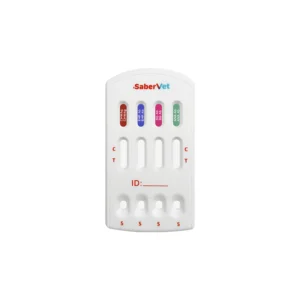
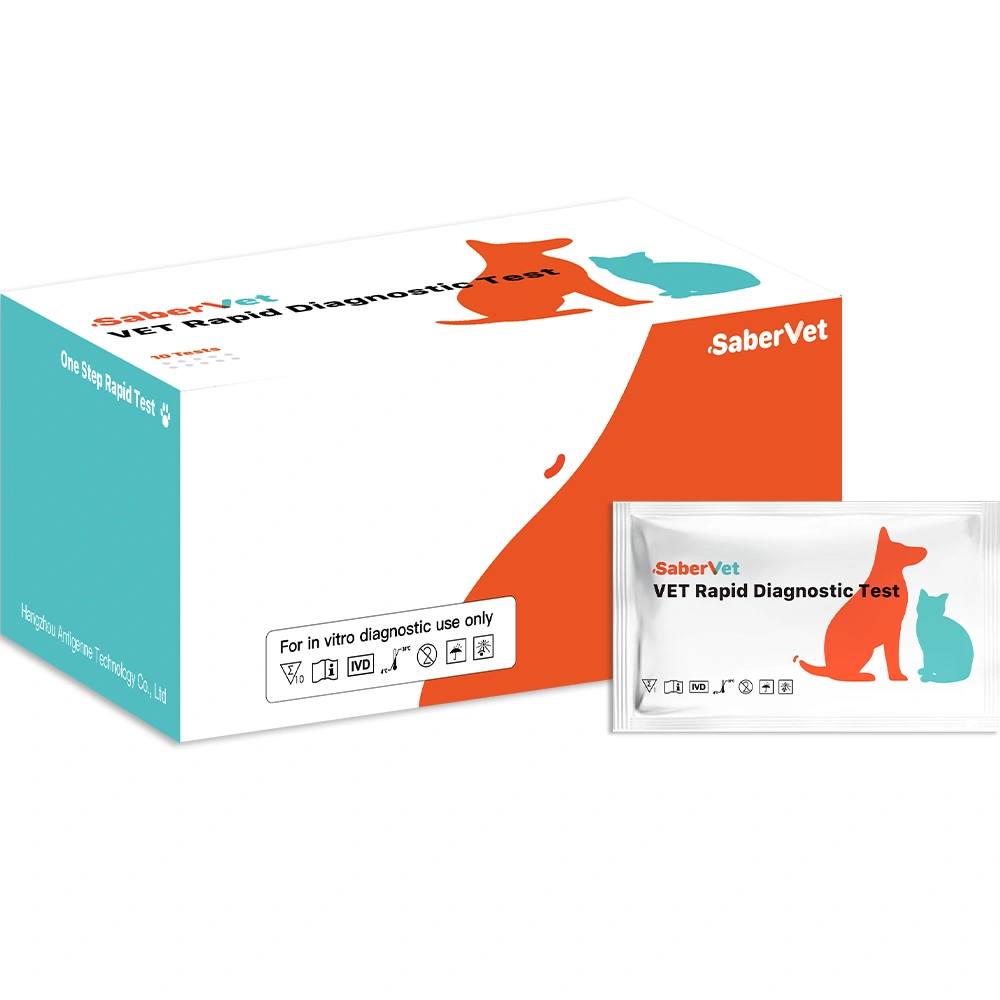
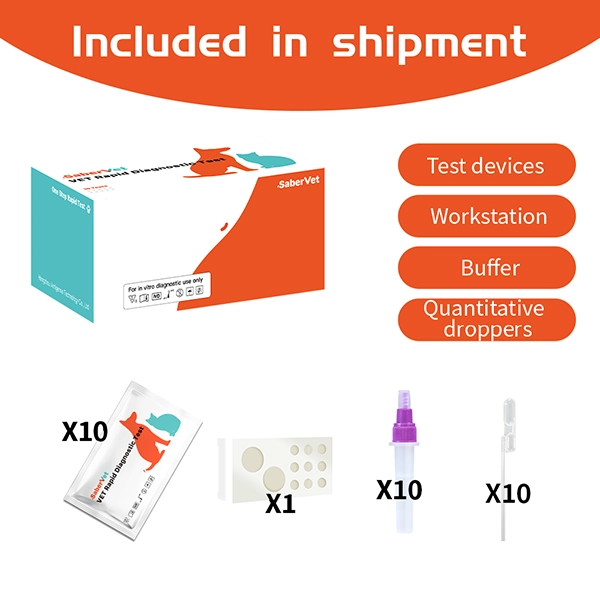
Fast results are key, and the fast lyme disease dog test developed by Antigenne also provides accurate results in less than 10 minutes, dramatically reducing wait times and enabling pet owners and veterinarians to make quick treatment decisions.
Preventive measures
No specific prophylactic measures have been developed yet, so the key to preventing the disease is to take effective measures to eliminate ticks, which are the main vectors and natural hosts of the disease. At the same time, regular deworming of dogs should be done; dogs should be prohibited or restricted from going to grassy and bushy areas where ticks are active, and efforts should be made to minimise the number of dogs climbing mountains or playing in tree-lined squares, so as to reduce the chances of being bitten by ticks.
In addition, attention should be paid to environmental hygiene, public hygiene and personal hygiene to prevent the disease from spreading and spreading. Especially in areas threatened by the disease, regular quarantine should be carried out to eliminate positive animals and disinfect them thoroughly. At the same time, persons suffering from the disease should be prohibited from keeping susceptible animals and related medical treatment and other work.
If sick dogs are found, they should be isolated and treated immediately. Commonly used therapeutic drugs include penicillin, tetracycline, erythromycin, doxycycline, vanguardin, etc., and combined with symptomatic treatment at the same time. In addition, the environment, medical site, instruments and utensils where the sick dog is located should also be disinfected in a timely manner.
Lyme test for dogs
Antigenne has developed a Canine Lyme Antibody Rapid Test for canine blood samples, which is fast, easy to operate and highly accurate, and can be used as an effective means for users to have a dog test for lyme disease.