
Description
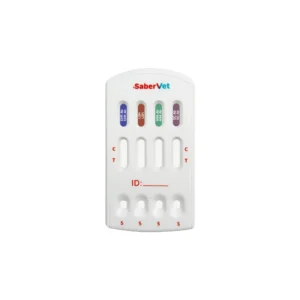
Canine Heartworm Antigen & Canine Ehrlichia & Canine Lyme Disease & Canine Anaplasma Antibody Test
Canine Heartworm Disease, Canine Ehrlichiosis, Canine Lyme Disease and Canine Anaplasma Disease are common infectious diseases in dogs. Although they are caused by different pathogens and have their own characteristics, there are commonalities in some aspects.
Commonalities between canine heartworm, canine ehrlichiosis, canine lyme disease and canine anaplasma
Means of transmission
All are transmitted by vectors: canine heartworm disease is transmitted by mosquitoes, and the other three diseases are transmitted by ticks.
Clinical Symptoms
All four diseases may cause systemic symptoms such as fever, lethargy, and weight loss.
Geographic distribution
Globally distributed, especially more common in areas where ticks and mosquitoes are active.
Differences of canine heartworm, canine ehrlichiosis, canine Lyme disease, and canine Anaplasma
Pathogen
Canine Heartworm Disease: caused by Canine Heartworm (Dirofilaria immitis).
Canine Ehrlichiosis: caused by Ehrlichia canis.
Canine Lyme disease: caused by Borrelia burgdorferi.
Canine Anaplasmosis: caused by Anaplasma (Babesia spp.).
Specific symptoms
Canine Heartworm disease: coughing, dyspnea, decreased exercise tolerance, heart failure, ascites.
Canine Ehrlichiosis: nosebleeds, bleeding tendencies, eye problems (e.g., uveitis).
Canine Lyme disease: chronic arthritis, lameness, kidney damage.
Canine Anaplasma disease: acute anemia, jaundice, splenomegaly.
Diagnostic methods
Canine heartworm
Antigen detection: detection of canine heartworm antigen in blood is the most commonly used screening method.
Microfilariae detection: Microfilariae (larvae) can be directly observed on blood smears.
Imaging tests: X-rays and echocardiograms are used to assess damage to the heart and lungs.
PCR test: Used to detect the DNA of canine heartworms with high sensitivity and specificity.
Canine Ehrlichiosis
Blood tests: blood smears can be observed for Ehrlichia, and blood biochemistry and complete blood cell counts show anemia and thrombocytopenia.
PCR test: detects the DNA of Ehrlichia.
Serologic testing: detects anti-Ehrlichia antibodies.
Canine Lyme
Serologic test: detects anti-Ehrlichia Spirochete antibodies.
PCR: detection of Burkholderia cepacia DNA.
Clinical evaluation: Comprehensive evaluation with clinical signs and history.
Canine Anaplasma
Blood smear: direct observation of Anaplasma.
PCR test: Detection of Anaplasma DNA.
Serologic testing: detects anti-Anaplasma antibodies.
Blood biochemistry test: assesses anemia and bilirubin levels.
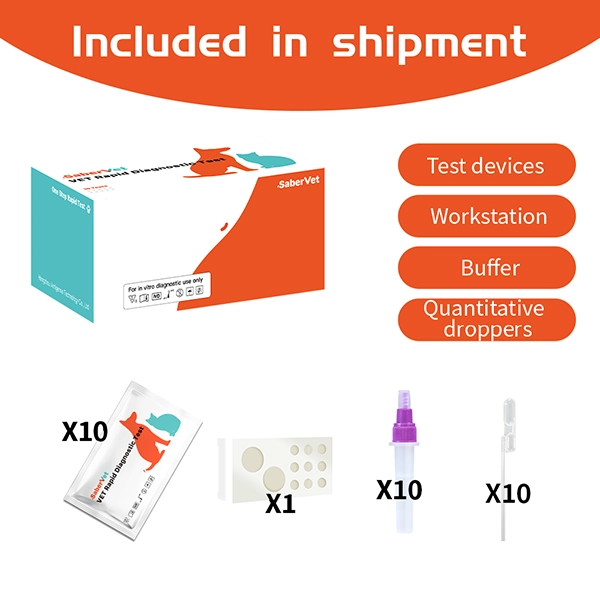
Canine Heartworm Antigen/Ehrlichia/Lyme/Anaplasma Antibody Combo Rapid Test
Antigenne has developed a Canine Heartworm Antigen & Canine Ehrlichia & Canine Lyme Disease & Canine Anaplasma Antibody Test , which can help customers diagnose canine infections more accurately and take appropriate treatment and control measures to protect the health of dogs.