Description
Canine leptospirosis, caused by a bacterium of the genus Leptospira, is a worldwide zoonosis that infects dogs, humans, and other animals, and can cause severe clinical symptoms and even death.
1.Clinical symptoms
Symptoms of canine leptospirosis vary according to the serotype of the infected leptospirosis, the infectious dose and the immune status of the host, and are categorized into acute symptoms, chronic symptoms and severe infection.
Acute symptoms: fever, loss of appetite, vomiting, diarrhea (which may be bloody), jaundice, muscle pain, and bleeding tendencies. Chronic symptoms: dogs may exhibit signs of renal insufficiency, liver impairment, and uremia. Severe infection: may lead to acute renal failure, hepatitis, hemorrhagic pneumonia and death.
2.Transmission
The transmission route of canine leptospirosis is mainly divided into direct contact, indirect contact and host. Direct contact: transmitted through urine, blood, tissue or other body fluids of infected animals, especially in moist environments where the bacteria can survive in water or moist soil for weeks to months. Indirect contact: spread through contaminated water, food, or the environment. Host: Wild rodents and domestic animals are the main carriers and transmitters. Dogs are infected through contact with the feces of these animals or contaminated environments.
3.Clinical diagnosis
First of all, according to the dog's medical history, symptoms and contact history of the initial judgment. Into the laboratory testing commonly used methods are hematological examination, serological testing, PCR testing and culture method.
Hematology: increased white blood cell count, elevated renal function indicators (e.g., serum urea nitrogen and creatinine). Serological tests: e.g. microagglutination test (MAT) to detect leptospirosis antibodies in serum, PCR test: to detect leptospirosis DNA from blood, urine or tissue samples, culture method: to culture leptospirosis from blood or urine samples, but this method is time-consuming and has a low success rate.
4.Preventive measures
Preventive measures include regular vaccination of dogs against Leptospirosis, which can significantly reduce the risk of infection. Keep the dog's living environment clean and dry, and avoid contact with contaminated water and rodents. Wear gloves when handling canine feces to avoid direct contact, especially if there is an open wound.
For already sick breeds, early antibiotics (e.g., penicillin, tetracycline, or doxycycline) can be effective in treating leptospirosis infections. Meanwhile, supportive treatment, such as rehydration, antiemetic, antidiarrheal, hepato-renal protective drugs, etc., should be given according to the symptoms.
5.Canine Leptospirosis Antibody Rapid Test
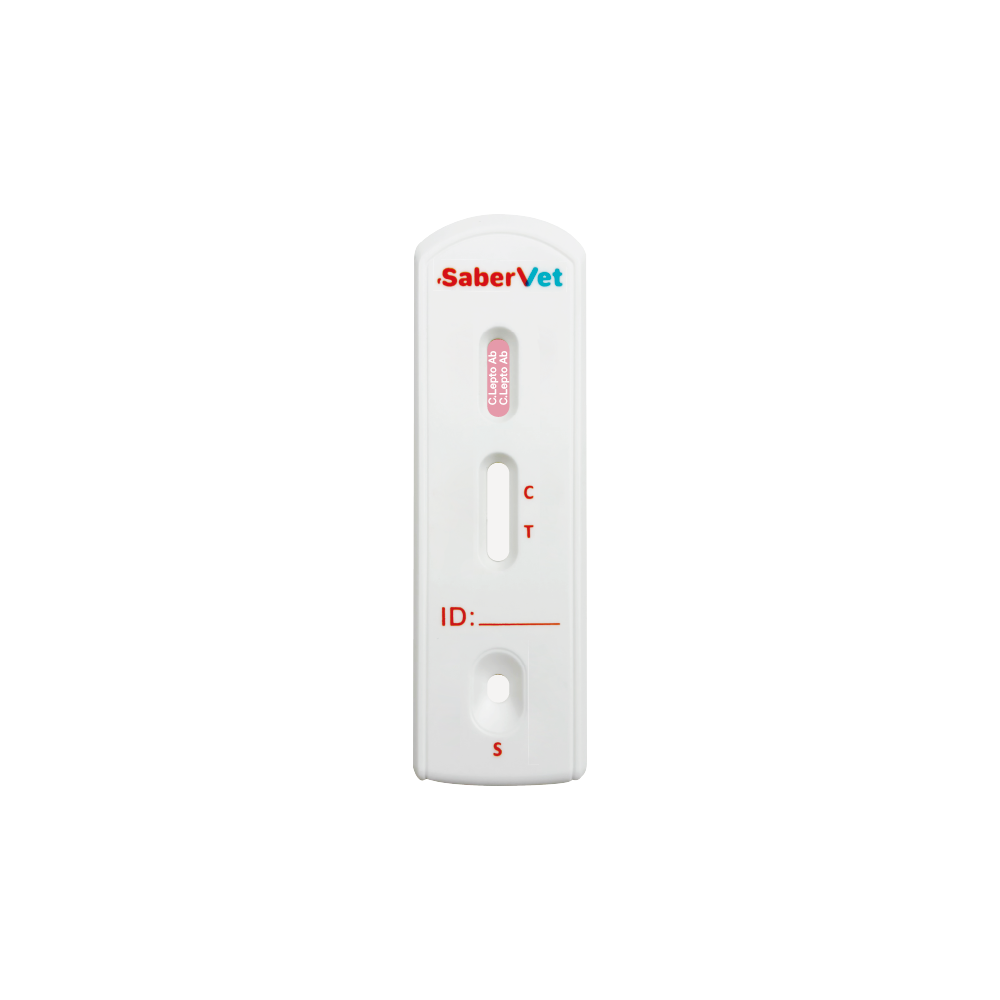
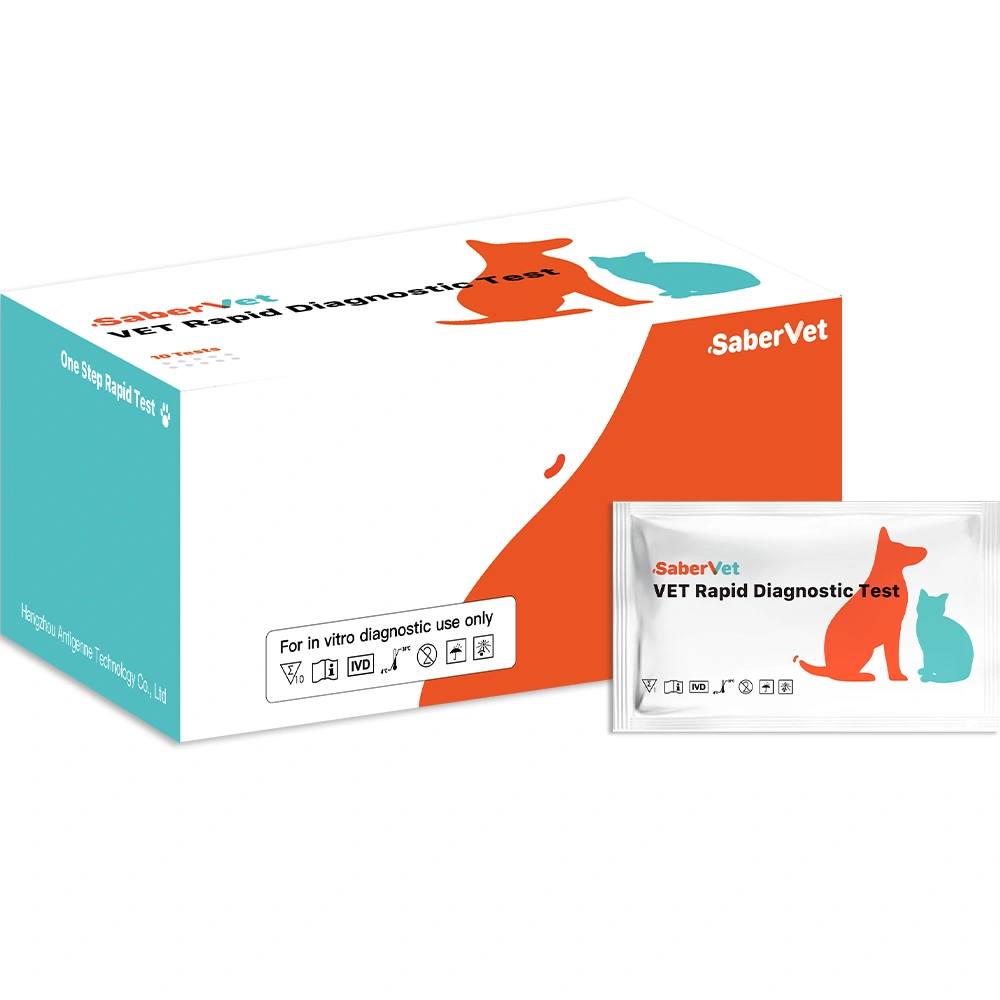
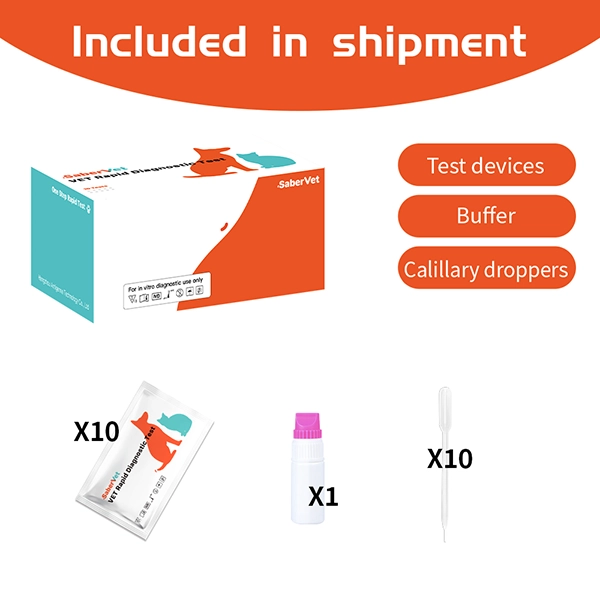
Antigenne has developed a Canine Leptospirosis Antibody Rapid Test using canine blood as the sample. This method is fast, easy to operate and highly accurate, and can be used as an effective means for users to detect whether their dogs are suffering from canine leptospirosis.