
Spotting parvo early in dogs is crucial to their survival. The illness can swiftly become severe, impacting a dog’s health gravely. Understanding early symptoms helps in timely intervention.
What are the typical early symptoms of parvovirus in dogs?
Noticing early parvo symptoms can be challenging. Often, dogs display vague signs like tiredness and loss of appetite. It’s vital for owners to pay attention to these hints.
Early warning signs include lethargy, reduced interest in food, and a slight fever. These indicators can quickly be dismissed but are pivotal in identifying parvo.
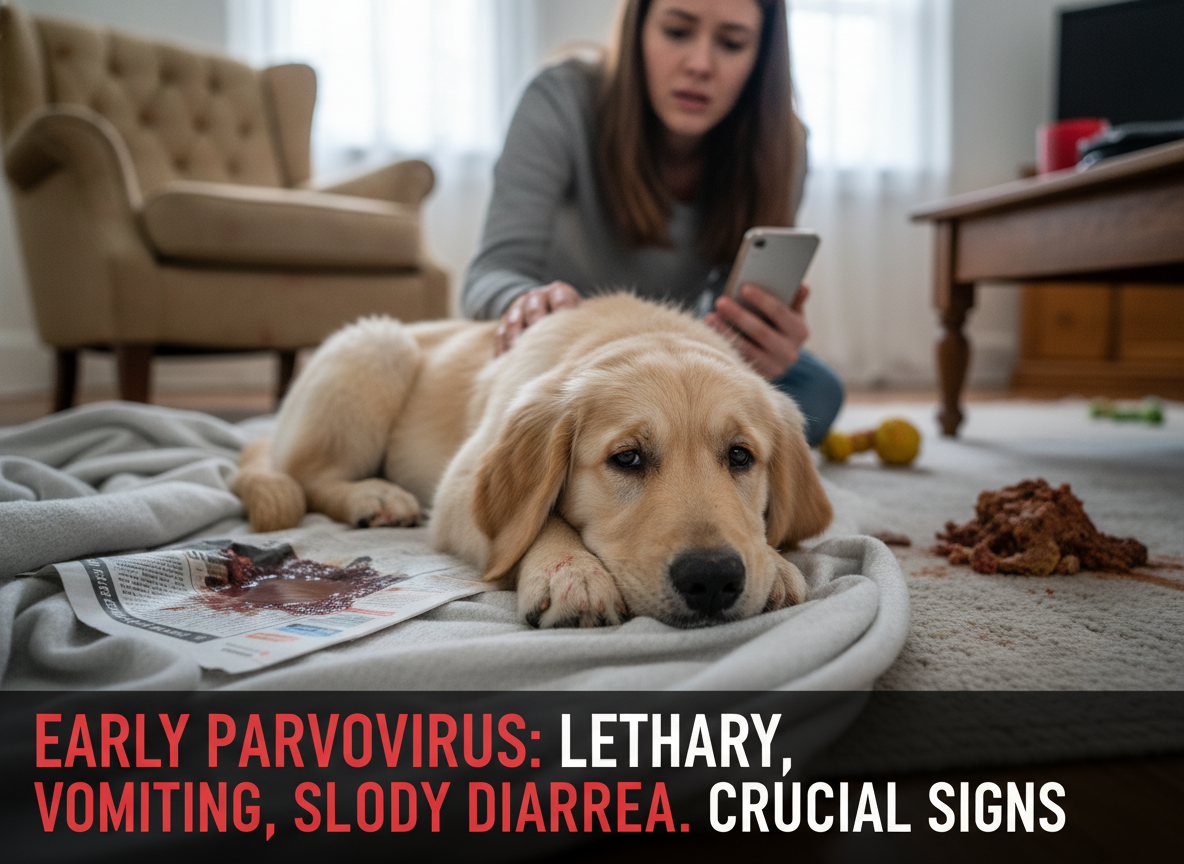
Spotting these early clues warrants immediate veterinary consultation. Early detection gives your dog the best chance of a swift recovery. Delve deeper by recognizing how these symptoms appear in everyday situations. Understanding these signals as abnormal rather than usual nuisances can save your pet’s life.
Which subtle signs are most likely to be overlooked by owners?
Dogs often hide their discomfort well, leading owners to overlook early parvo signs. Observing slight changes in behavior can be crucial.
A slight drop in activity or mild disinterest can signal early parvovirus dogs infection. These are often missed, mistakenly attributed to a bad day or the weather.

By taking note of any slight deviation from usual behavior, owners act on necessary precautions. Chronicling these small changes could make a difference; habitual observation serves as a critical tool for early detection and preventative care. Keep an eye out for consistent markers in your pet to safeguard their health.
What critical changes occur as symptoms progress?
Once early signs are ignored, parvo symptoms escalate rapidly. Veterinary intervention is needed urgently.
Dogs with progressing parvovirus suffer severe vomiting, diarrhea, and dehydration. These symptoms indicate critical immune and intestinal compromise.
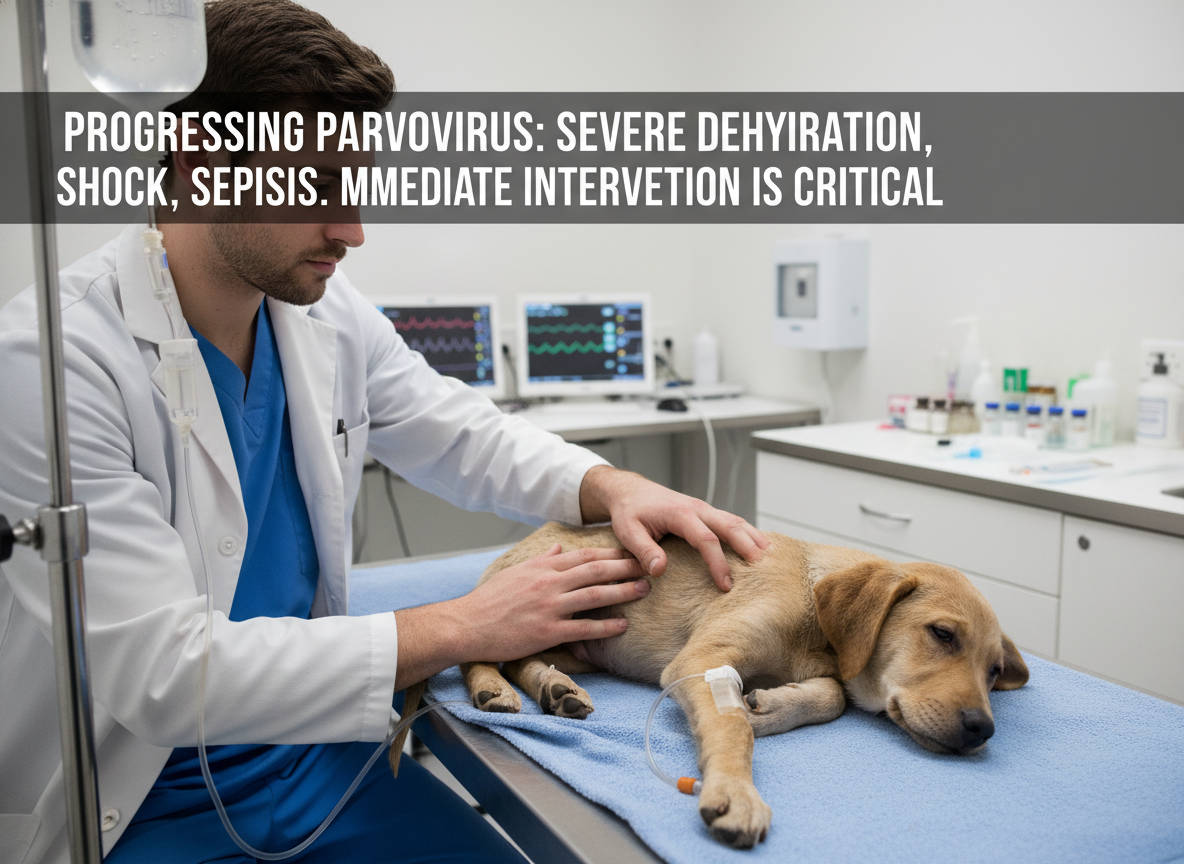
Without immediate care, dogs face increased risk and higher mortality rate. Prevent further decline by seeking veterinary help. Veterinarians provide critical support during such phases, employing interventions like hydration therapy and nutritional support. Understand the need for professional care when managing advanced symptoms of parvo.
Why does early veterinary care significantly improve recovery?
Immediate veterinary care from a vet diagnostics clinic ensures a better recovery path. Halting the progression of parvovirus should be prioritized for every dog.
Prompt medical attention offers interventions that stabilize a dog’s condition. Fluids, anti-nausea medication, and antibiotics aid recovery.
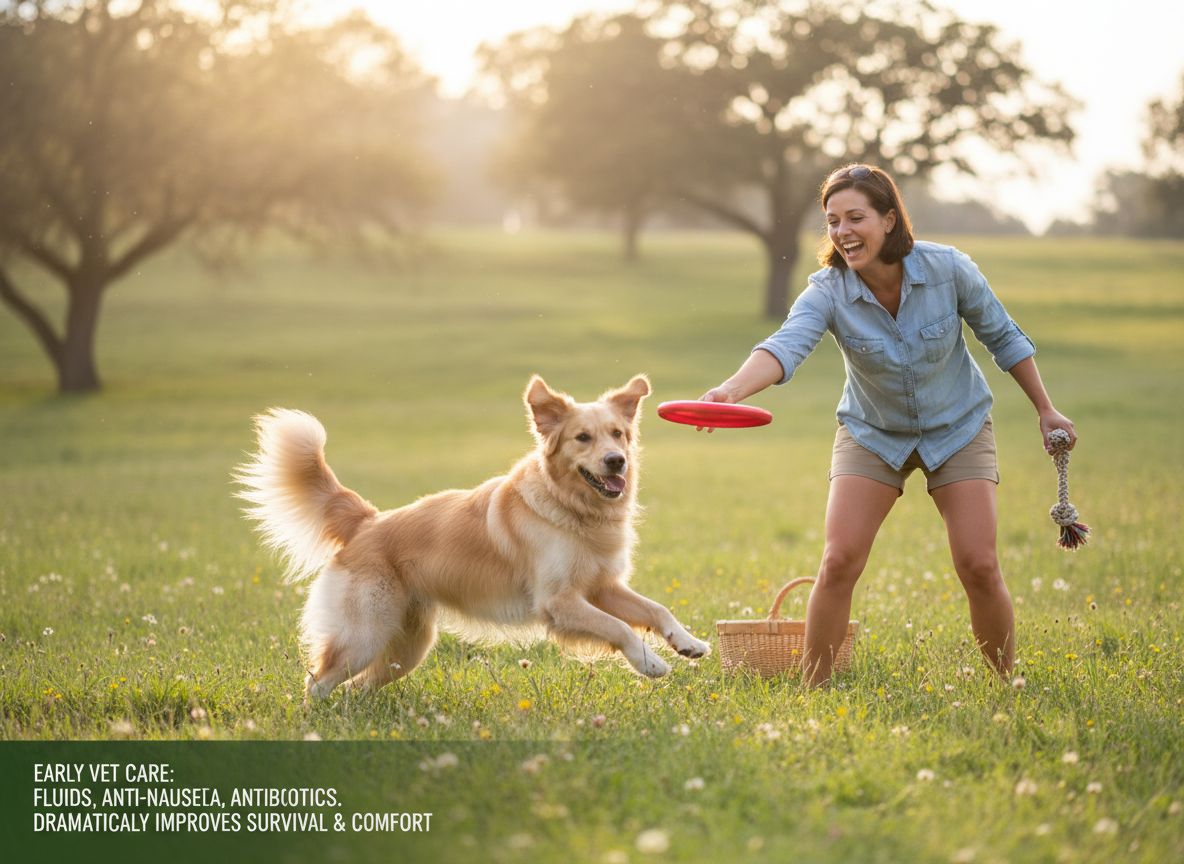
Veterinary treatments significantly boost survival rates and animal comfort. These measures minimize complications and usher in quicker recovery. It is important to animal diagnose the illness correctly. Veterinarians provide strategic treatment plans, aiming for creating a robust immune support system- ensuring pets can return to their energetic selves faster.
Conclusion
Early detection and prompt veterinary care are key to enhancing a dog’s recovery from parvovirus. Pay close attention, act swiftly, and keep your dog protected.


