
Canine Distemper can have devastating consequences for unvaccinated dogs and cause concern among pet owners. But are canine distemper vaccines based on live viruses? How do they protect our pets?
Most canine distemper vaccines are modified live vaccines (MLVs). These vaccines establish long-lasting immunity by simulating natural infection. Compared with inactivated vaccines, live vaccines provide superior protection but require specific storage and handling conditions.
What Type of Vaccine Is Typically Used for Canine Distemper?
Canine distemper poses a significant health threat to dogs, worrying both pet owners and veterinarians. What type of vaccine is most suitable for preventing this disease?
Modified live vaccines are the most common choice for preventing canine distemper because they mimic infection. This process triggers a robust immune response, thereby providing long-lasting and reliable protection.
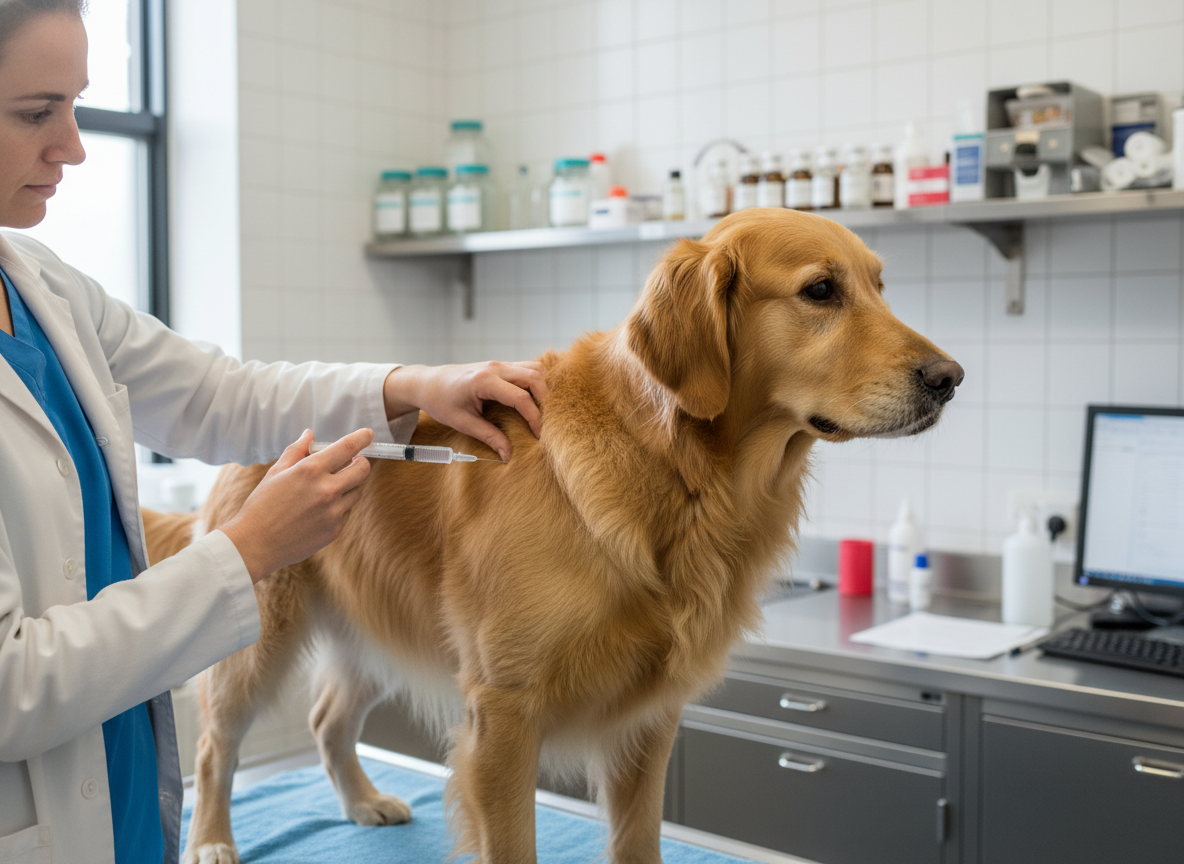
Live vaccines contain an attenuated (weakened) version of the virus that replicates enough to stimulate the immune system but not enough to cause disease. This method differs from inactivated vaccines, which contain killed viral particles. Therefore, modified live vaccines offer better immune-boosting effects but require precise storage conditions. Understanding these differences helps veterinarians and owners select the best option for their pets, and the SaberVet Canine Distemper Virus Antibody Rapid Test can be used to monitor immune efficacy.
What Are the Advantages of Modified Live Vaccines in Immune Protection?
Preventing canine distemper is crucial—but why are live vaccines preferred for immune protection? Let’s uncover their unique advantages.
A major advantage of modified live vaccines is that they generate stronger and longer-lasting immunity than inactivated vaccines. This mimics the real infection process without health risks.

Further exploration reveals why live vaccines are often chosen despite logistical complexities.
Modified live vaccines dynamically stimulate a dog’s immune system, producing a lasting response by replicating within host cells—this is related to the detection principle of the SaberVet Canine Distemper Virus Antigen test. Table A shows their advantages compared with inactivated vaccines:
| Vaccine Type | Strength of Immune Response | Duration of Immunity | Storage Complexity |
|---|---|---|---|
| Modified Live Vaccine | High | Long-term | Sensitive |
| Inactivated Vaccine | Moderate | Short | Easy |
Live vaccines have obvious advantages in immune persistence, and careful handling ensures their effectiveness. Balancing these factors helps achieve excellent disease prevention.
What Precautions Should Be Taken When Using Live CDV Vaccines?
Live vaccines are highly effective, but their use comes with certain considerations. What precautions should be taken to ensure safety and effectiveness when treating canine distemper?
Proper handling, cold chain storage, and accurate vaccination are crucial when using live CDV vaccines. These steps ensure the vaccine’s potency.

Let’s see how careful operation impacts the use of live vaccines.
Vaccines rely on proper cold chain storage (e.g., live vaccines typically require 2–8°C) to maintain their effectiveness. Aseptic operation ensures product integrity, and vaccination by trained professionals avoids errors. In addition, veterinarians should inform pet owners when booster shots are needed for their dogs, as improper use or missed vaccination schedules will reduce immunity. These precautions prevent vaccine failure while maximizing protection against canine distemper for dogs.
How Do Commercial CDV Vaccines Balance Safety and Efficacy?
Commercial vaccines protect dogs from canine distemper and help build herd immunity. But how do manufacturers ensure vaccines are both safe and effective?
Manufacturers develop stable formulations through rigorous testing to limit side effects while enhancing immunity. This achieves an ideal balance between safety and efficacy.
Industry insights reveal how innovation in the pet health sector continues to evolve and advance.
Through optimized processes—such as advancements in biological adjuvants and improvements in viral attenuation technology—manufacturers are working to enhance the immune response of vaccines while maintaining safety. In addition, trials and strict licensing regulations ensure vaccines meet international efficacy standards. Educating veterinarians and pet owners on optimal use remains crucial for reducing any risks associated with vaccination while ensuring pets receive life-saving immunity.
Conclusion
Most canine distemper vaccines are modified live vaccines, which provide unparalleled immunity. As a Pet Rapid Diagnosis Test Manufacturer, we understand that strict production, adherence to protocols, and public education together ensure companion animals receive the best vaccine protection against this fatal disease.
References
- American Veterinary Medical Association (AVMA) – Canine Distemper
- Centers for Disease Control and Prevention (CDC) – Vaccine Storage and Handling Toolkit
- Cornell University College of Veterinary Medicine – Canine Distemper
- U.S. Food and Drug Administration (FDA) – Regulation of Veterinary Vaccines