
At what age do puppies become safe from parvo?
Parvovirus is a serious threat to puppies, especially when their immune systems are developing fast. Puppies usually become safer from parvo when they finish their vaccination series at around 16 weeks. Understanding the age at which puppies are safe from parvo can prevent unnecessary risks and ensure their healthy development. Safeguarding puppies involves vaccinations and hygiene practices.
At what age are puppies most vulnerable to parvovirus?
In the weeks following birth, puppies face some of the highest risks due to their dwindling maternal antibodies. This fragile stage is crucial for proactive care. Puppies are most vulnerable between 6 and 16 weeks of age. During this time, their maternal antibodies decline, making them susceptible to infections like parvovirus.

During this period, it is crucial to monitor your puppy closely. Avoiding places where the virus might lurk, such as dog parks, is essential. By understanding this window of vulnerability, owners can make informed decisions to protect their furry friends. Puppies rely heavily on immune support during these weeks, and understanding the landscape of Animal Disease Diagnosis can empower owners, making the actions you take crucial in disease prevention.
How long do maternal antibodies protect puppies from parvovirus?
The bond between a mother and her puppy extends beyond nurturing, offering unseen defenses against diseases like parvovirus. Knowing when this protection wanes is vital. Maternal antibodies generally offer protection for puppies up to about 6 weeks, after which their protective effect diminishes, leaving puppies more vulnerable to viruses.
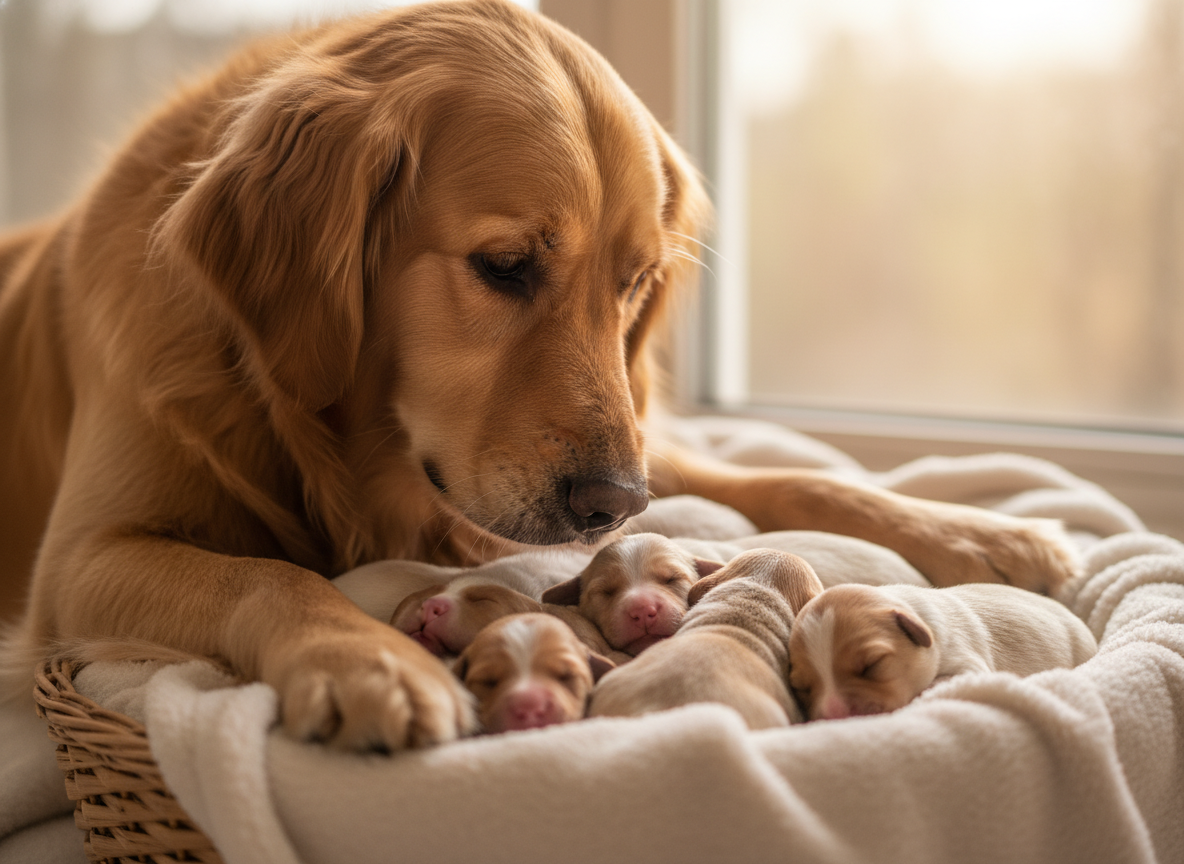
As the protective shield of maternal antibodies fades, puppies start to develop their own immunity. Vaccination schedules are designed to overlap this decline, ensuring continuous protection. By aligning vaccines with antibody waning, we reinforce a puppy’s fragile defenses. This balance between maternal and developed immunity shapes the path for a healthy puppyhood.
Why are puppies safer only after completing the full vaccination schedule?
Vaccinations are a guardian against diseases, empowering puppies with acquired defense mechanisms. Completing the schedule seals the circle of protection. Puppies gain optimal protection only after completing their vaccination schedule, which typically ends around 16 weeks. This ensures they develop full immunity against parvovirus.

The vaccine schedule, like a carefully orchestrated symphony, builds immunity in layers, culminating in complete protection. As antibodies from vaccinations establish themselves, puppies become resilient against parvo threats. Understanding why this completion is crucial allows pet owners like us to champion our puppies' future health. The sense of security brought by this process enables peace of mind for both you and your puppy.
What precautions should owners take during a puppy’s high-risk period?
Puppies’ health is precious, requiring specific measures to ensure protection during sensitive times. You can take steps to minimize the risks during their vulnerable stages. During the high-risk period, owners should prioritize hygiene, avoid exposing puppies to potentially contaminated areas, and ensure timely vaccinations to safeguard their health.
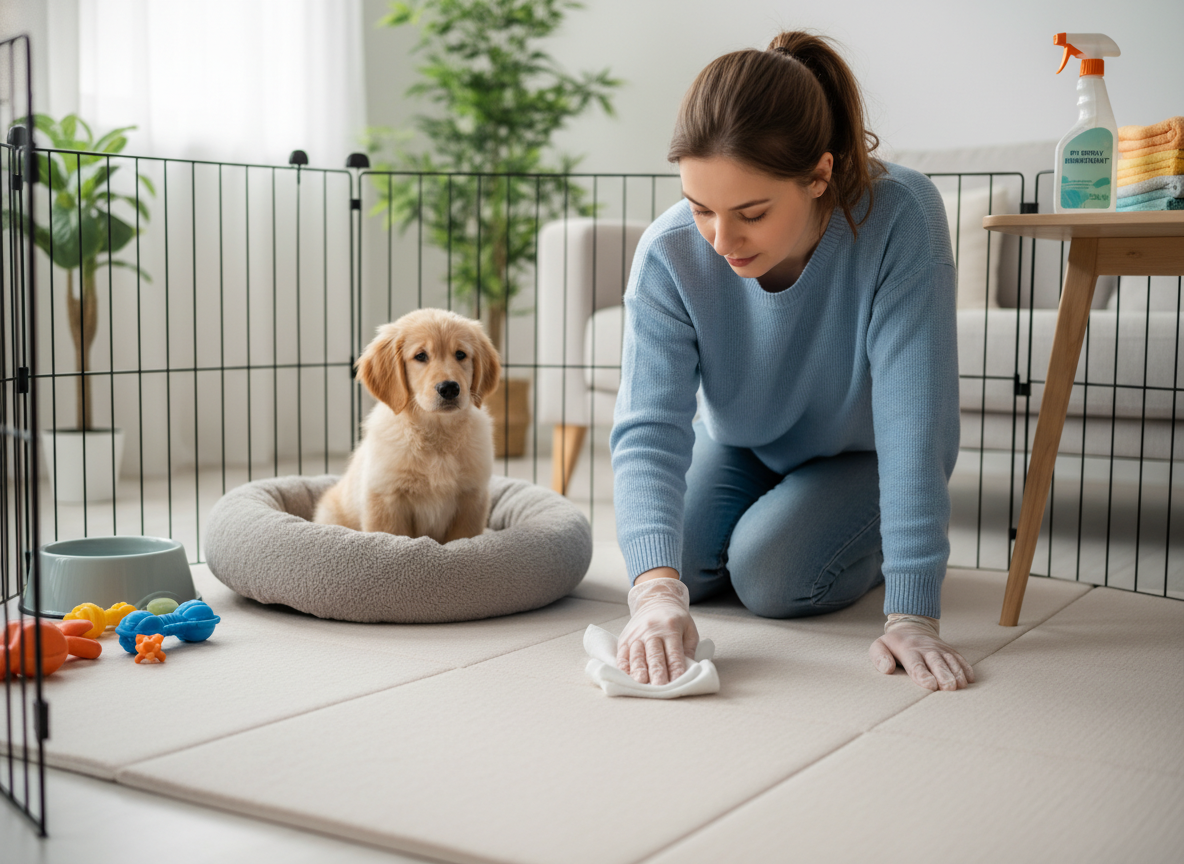
Sanitation is key: Regularly cleaning your puppy’s environment minimizes infection risks. Limiting exposure to unknown dogs or environments mitigates the chance of parvo transmission. For added peace of mind, a canine parvovirus test kit can be a useful tool for early detection. During this period, the importance of vigilance cannot be overstated. Constant care and attention define this effort, ensuring puppies navigate their fragile months unscathed, while setting the stage for a lively puppyhood.
Schlussfolgerung
Puppies become safe from parvo upon completion of their vaccinations at 16 weeks, necessitating timely intervention and proactive care. Prioritize vaccinations and protective measures. Working with professionals and reliable resources, from your vet to an Animal Disease Diagnosis Manufacturing Plant, ensures you have the best tools and knowledge.
References
- Canine Parvovirus | American Veterinary Medical Association
- Canine Parvovirus | Cornell University College of Veterinary Medicine
- Parvo in Puppies: Symptoms, Treatment, and Prevention | American Kennel Club


