
Is Canine Distemper Virus a Nonenveloped Virus?
Canine distemper virus can threaten our beloved pets deeply. Understanding its classification is vital for proper prevention. Canine distemper virus (CDV) is not a nonenveloped virus; it is an enveloped virus. This envelope is essential for CDV's infection mechanism. It aids in binding to host cells, facilitating the virus’s invasion and replication in canines. If you suspect your dog might be infected, using a canine distemper virus CDV antigen test kit can provide a quick assessment.
Is Canine Distemper Virus Classified as a Nonenveloped Virus?
Confusion around CDV’s classification can lead to ineffective prevention measures. Determining its nature is a challenge many face. CDV is not classified as a nonenveloped virus. Being enveloped means it possesses an outer layer crucial for attaching to host cells, aiding in the infection process. You can find a variety of animal disease tests, including for CDV, from providers of wholesale China CDV animal disease test.
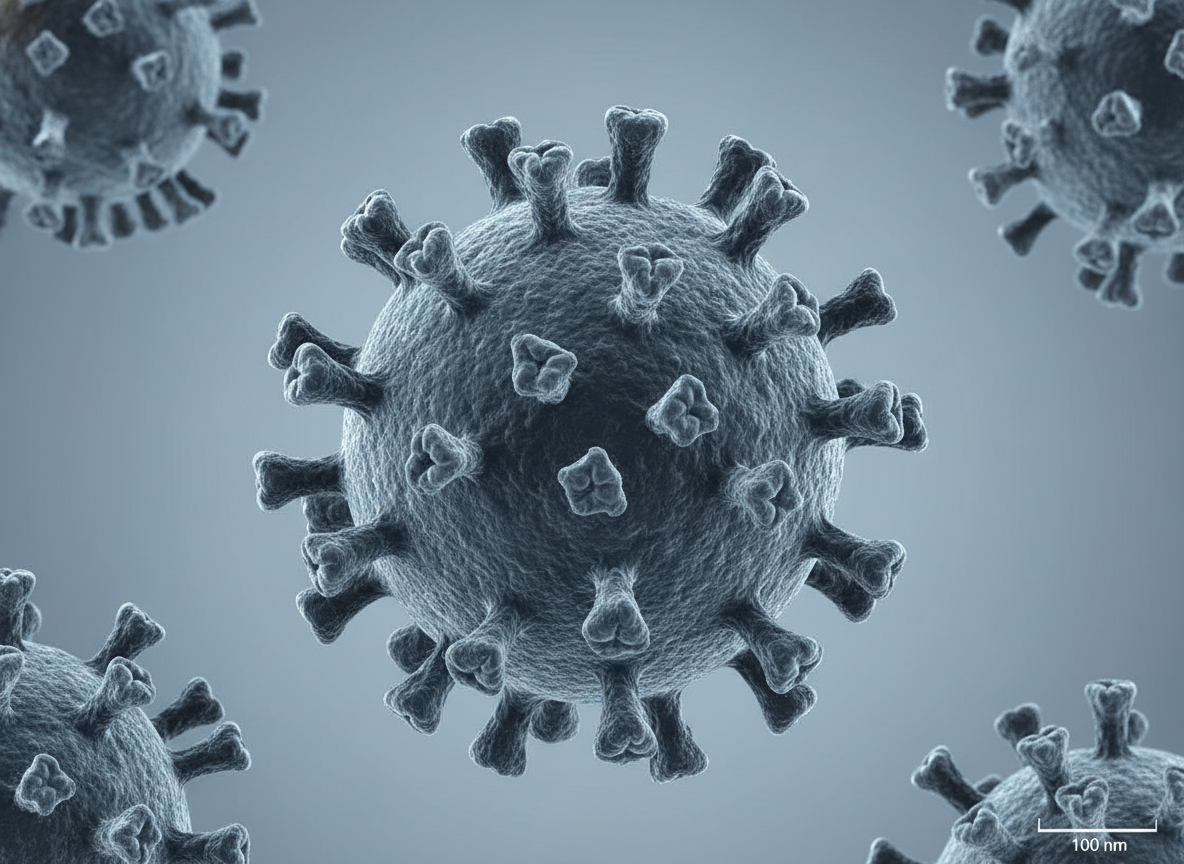
Understanding CDV’s enveloped nature sheds light on how it infects and spreads among dogs. Without this layer, the virus cannot efficiently invade host cells. Knowing this helps improve strategies against infection. Further study into CDV’s structure could uncover new preventive methods.
What Role Does the Viral Envelope Play in CDV Infection?
Identifying how CDV infects pets is crucial for veterinarians. The virus’s envelope is pertinent to this discussion. The viral envelope of CDV plays a pivotal role in infection. It attaches to host cell receptors, allowing the virus entry and subsequent infection of the host organism. For those in the veterinary field, sourcing reliable diagnostic tools from a veterinary diagnose equipment producer is essential.
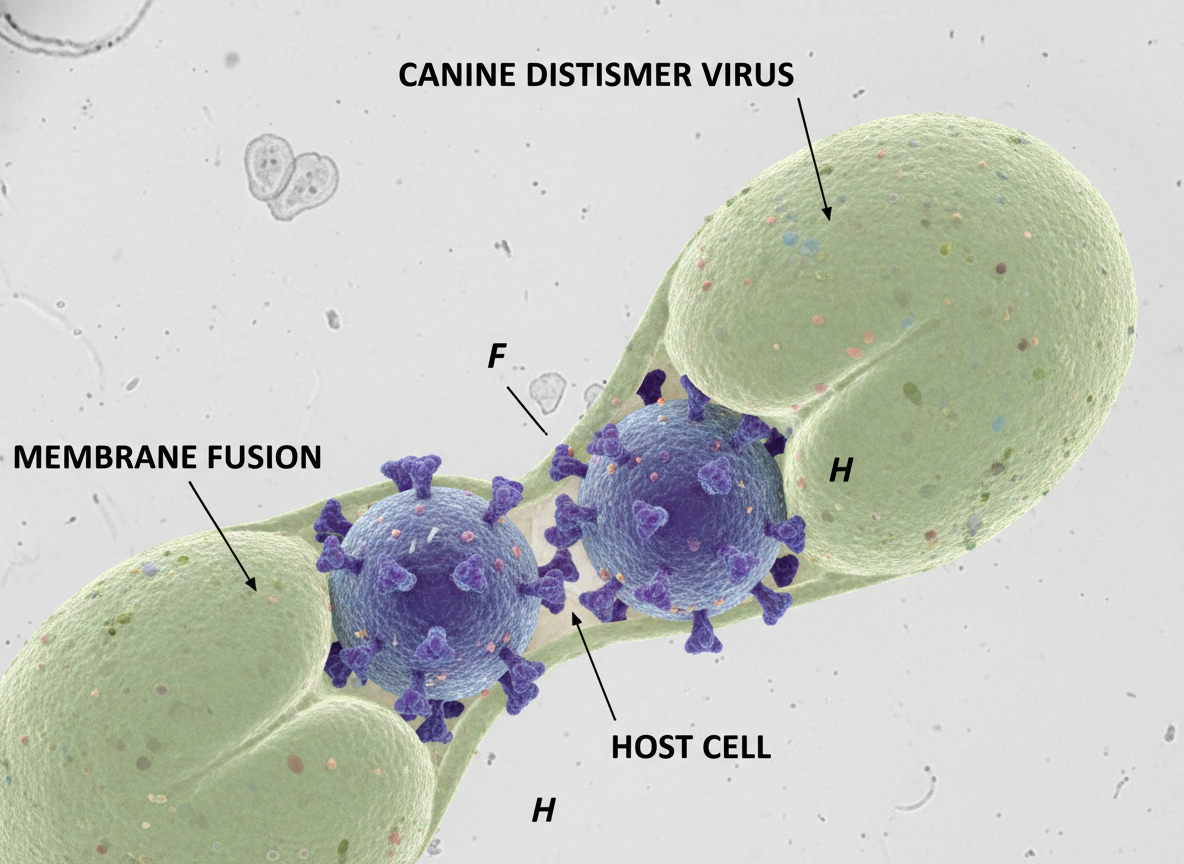
Exploring the envelope’s function showcases its necessity. It helps bind to host cells, leading to viral replication and spread within the host. Researchers can target this interaction to develop antiviral therapies. Understanding these mechanisms gives veterinarians tools to combat CDV.
How Does Being Enveloped Affect CDV’s Survival in the Environment?
CDV’s enveloped nature influences its susceptibility to external factors. Addressing this helps in choosing effective disinfection. This envelope makes CDV more sensitive to environmental conditions, limiting its survival outside a host. Heat and disinfectants can destabilize it promptly.
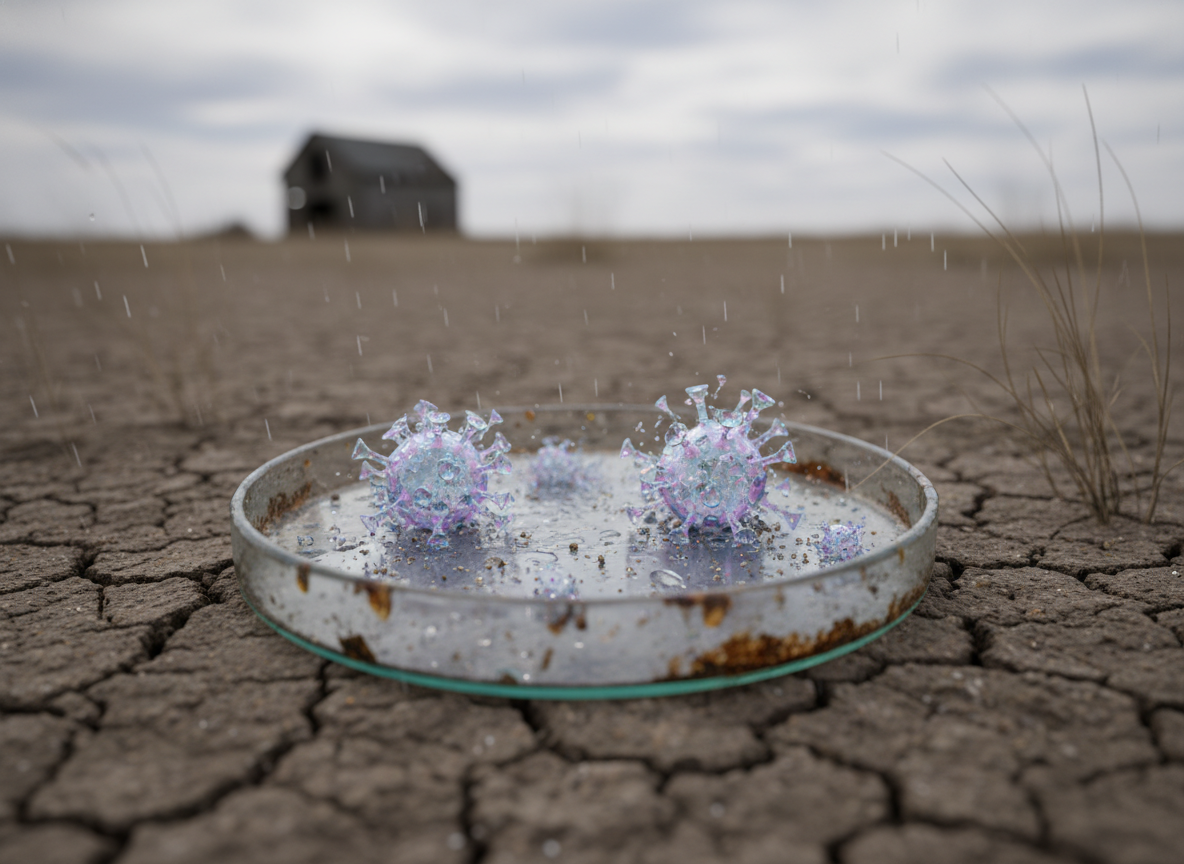
CDV’s vulnerability is notable in dry, hot, or disinfected environments. The envelope can degrade, causing viral inactivation. Thus, maintaining hygiene and proper sanitation is vital in preventing infection. Environments should be kept hostile to such viruses, ensuring safety for pets.
What Preventive Measures Are Most Effective Considering CDV’s Structure?
Preventing CDV infection requires understanding the virus’s vulnerabilities. Suitable measures should be adopted for protection. Vaccination and disinfection are key preventive strategies against CDV. Vaccines stimulate immunity, while disinfectants disrupt the viral envelope.
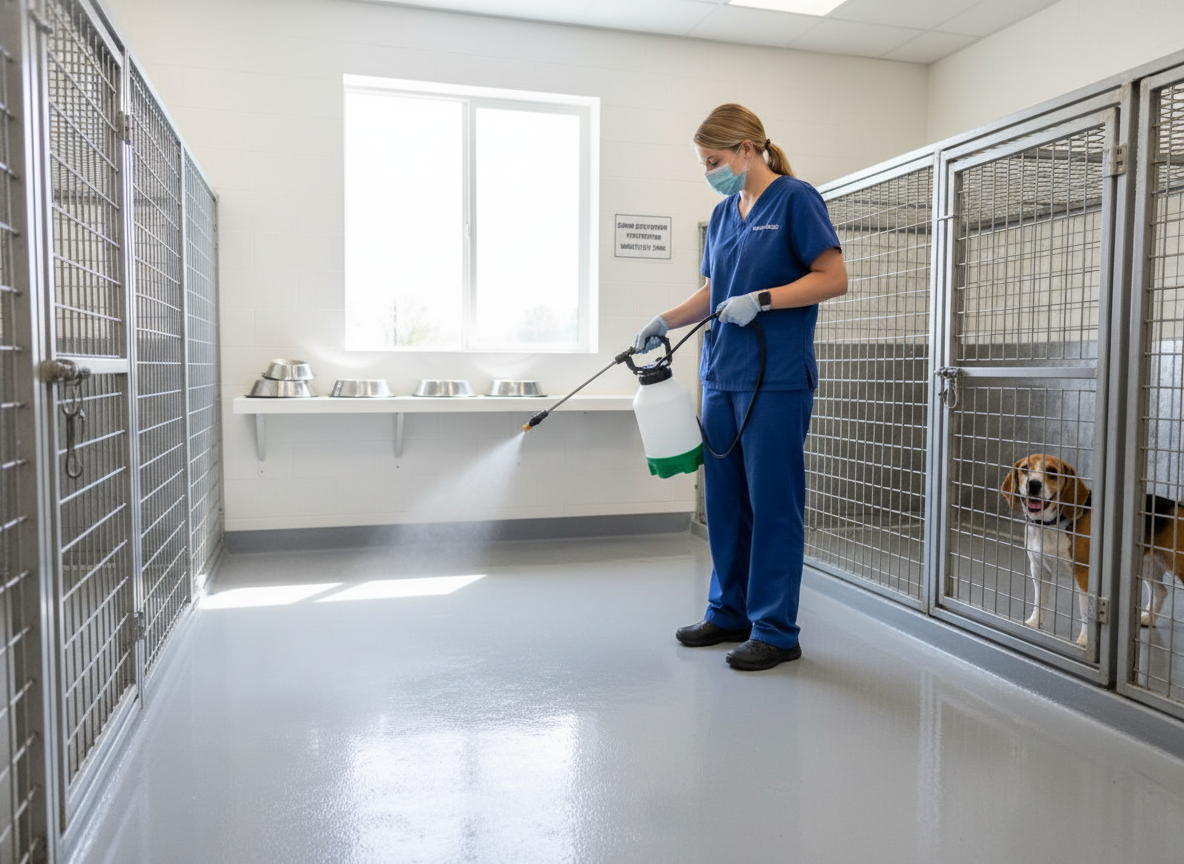
Impfung helps pets build resistance, reducing infection risk significantly. Disinfectants ensure environments remain inhospitable for CDV. Owners should maintain regular vaccination schedules and ensure clean surroundings for their dogs. This strategy enhances pet health remarkably.
Schlussfolgerung
CDV envelopes play a crucial role in infection yet offer insights for prevention. Understanding its structure helps target and mitigate concerns.
References
- AVMA: Canine Distemper
- Cornell University College of Veterinary Medicine: Canine Distemper
- UC Davis Veterinary Medicine: Canine Distemper


