Beschreibung
Canine heartworm disease, canine ehrlichiosis, and canine Anaplasma disease are three common infectious diseases in dogs. Although they are caused by different pathogens and have their own characteristics, there are commonalities in some aspects.
Commonalities between canine heartworm, canine ehrlichiosis and canine Anaplasma
Übertragungsweg
All three diseases are vector-borne: canine heartworm is transmitted by mosquitoes, and canine ehrlichiosis and canine Anaplasma are transmitted by ticks.
Klinische Symptome
They may all cause systemic symptoms such as fever, lethargy and weight loss.
All may cause anemia and other blood-related symptoms.
Geographic distribution
Globally distributed, especially more common in areas where ticks and mosquitoes are active.
Differences between canine heartworm, canine ehrlichiosis and canine anaplasma
Krankheitserreger
Canine Heartworm Disease: caused by Canine Heartworm (Dirofilaria immitis).
Canine Ehrlichiasis: caused by Ehrlichia canis.
Canine Anaplasmosis: caused by Anaplasma.
Spezifische Symptome
Canine Heartworm disease: cough, dyspnea, decreased exercise tolerance, heart failure, ascites.
Canine Ehrlichiosis: characteristic symptoms include nosebleeds, bleeding tendencies, joint pain, and eye problems (e.g., uveitis).
Canine Anaplasma disease: the main signs are acute anemia, jaundice, and splenomegaly.
Diagnose
Canine heartworm test for dogs
Antigen test: Detection of canine heartworm antigen in blood is the most commonly used screening method.
Microfilariae detection: Microfilariae (larvae) can be directly observed on blood smears.
Imaging tests: X-rays and echocardiograms are used to assess damage to the heart and lungs.
PCR test: Used to detect the DNA of canine heartworms with high sensitivity and specificity.
Canine Ehrlichiosis test for dogs
Blood smear test: blood smears can be observed for Ehrlichia, blood biochemistry and complete blood counts show anemia and thrombocytopenia.
PCR-Test: weist Ehrlichia-DNA mit hoher Sensitivität und Spezifität nach.
Serologic test: detects anti-Ehrlichia antibodies.
Test auf Anaplasmen bei Hunden
Blutausstrichtest: direkte Beobachtung von Anaplasma.
PCR test: detects Anaplasma DNA with high sensitivity and specificity.
Serologische Tests: Nachweis von Anti-Anaplasma-Antikörpern.
Biochemische Untersuchung des Blutes: Beurteilung der Anämie und des Bilirubinspiegels.
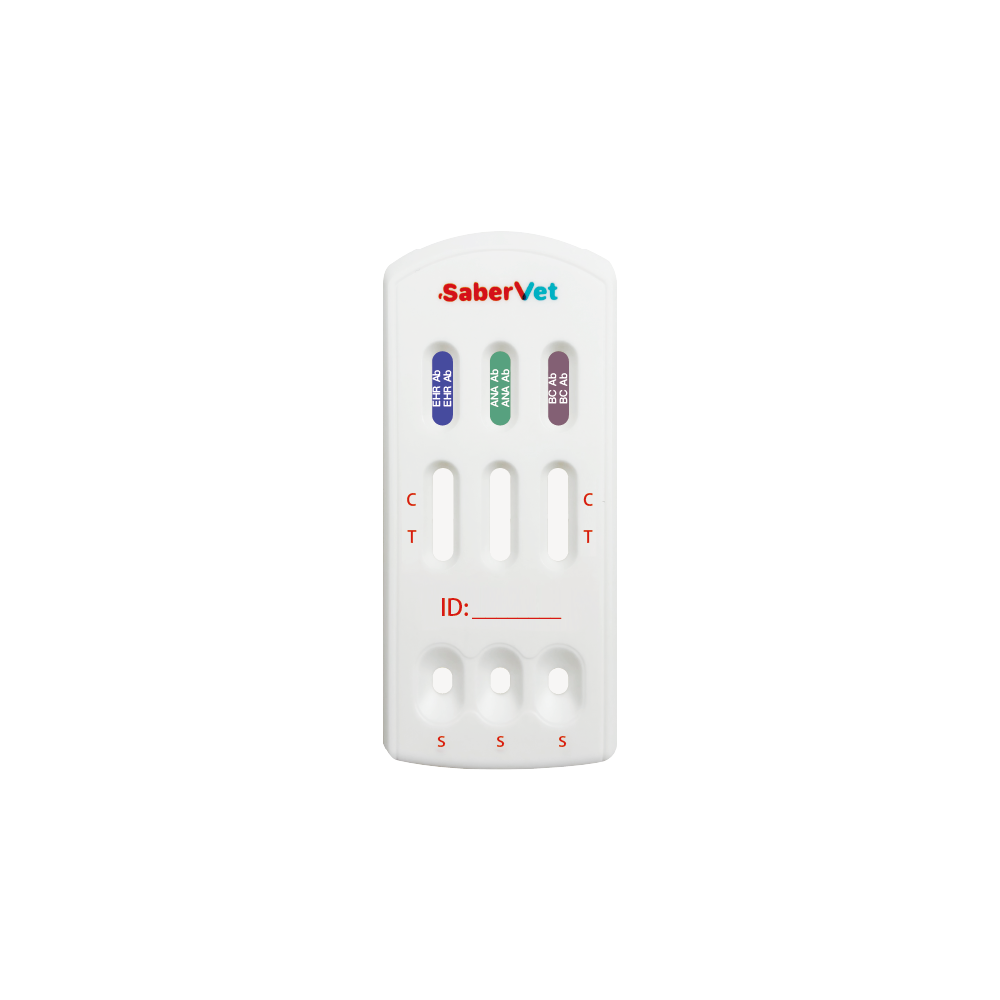
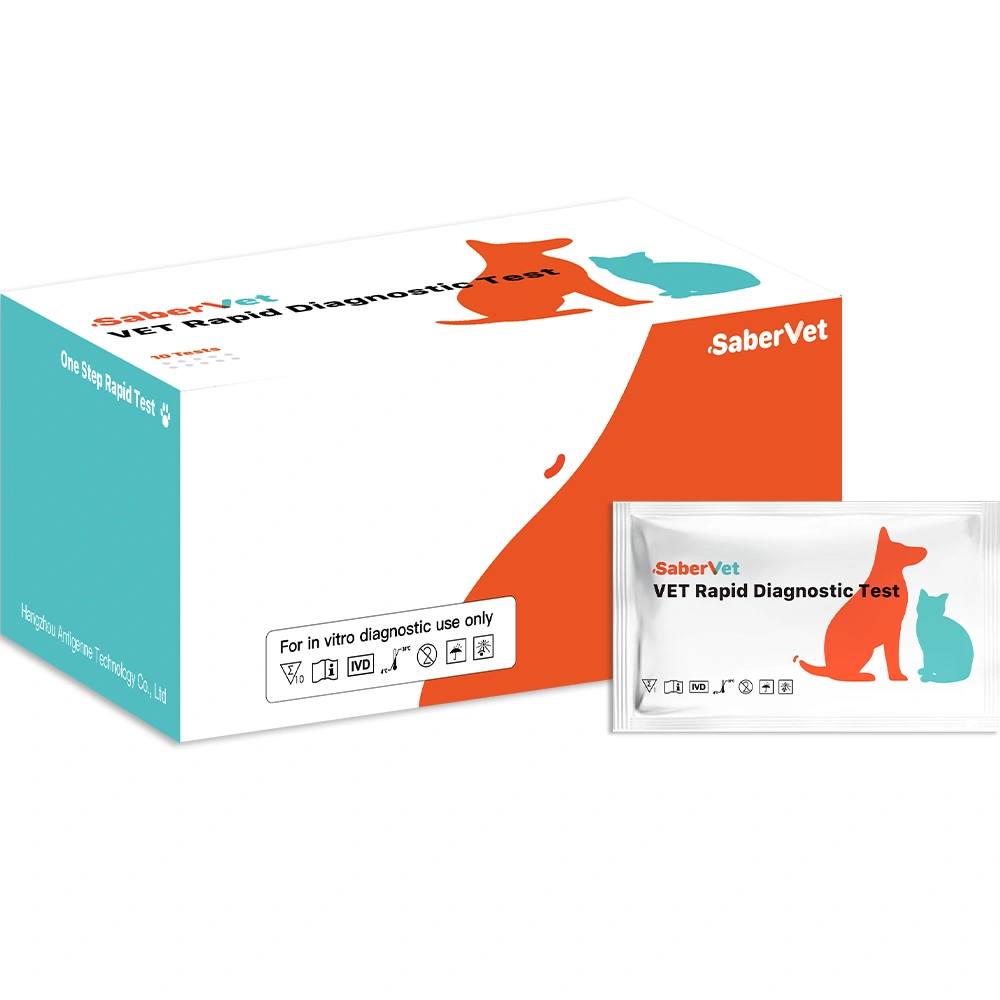
Herzwurm/Ehrlichia/Anaplasma-Antikörper-Kombi-Schnelltest für Hunde
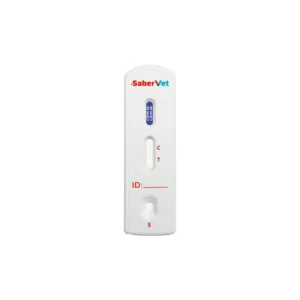
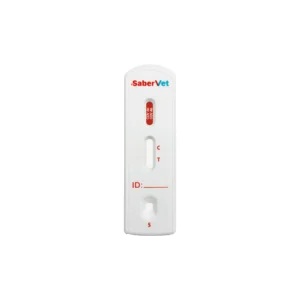
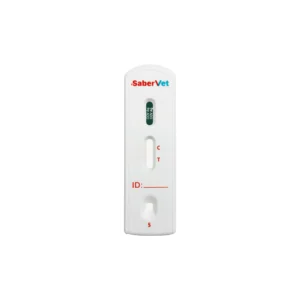
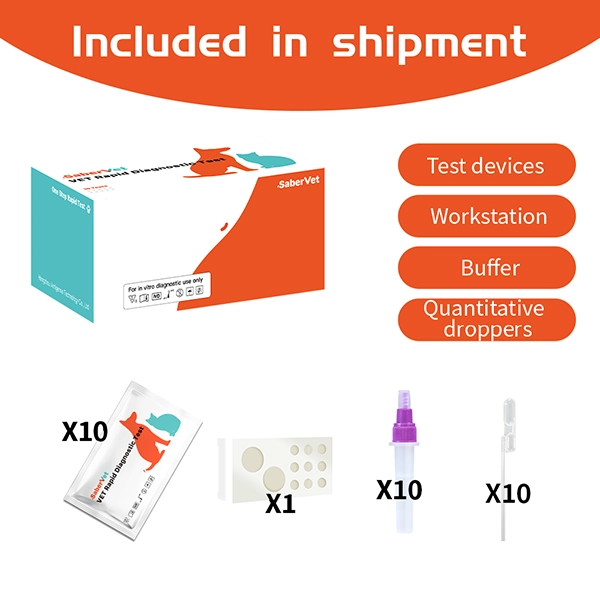
Antigene has developed a combined test for Canine Heartworm Antigen & Canine Ehrlichia & Canine Anaplasma Antibody, which can help users to more accurately diagnose whether the dog is infected with these diseases, and formulate appropriate treatment and control measures to protect the health of dogs.