
Canine Distemper Virus (CDV) is a troubling concern. The disease, fatal in many cases, leaves dog owners worried. The virus is deadly, especially in unvaccinated dogs. It causes severe respiratory and gastrointestinal issues and may result in long-lasting neurological damage. For those looking for testing solutions, a dog cdv can be a useful tool for early detection. Unfortunately, even with intensive care, recovery isn’t guaranteed.
What factors influence the fatality rate of canine distemper?
Various aspects complicate the survival rate when dealing with canine distemper virus. Primarily, age, immune system health, and viral strain type are crucial in determining a dog’s chances of survival. Puppies and unvaccinated dogs are particularly at risk. Prompt medical care is vital for increasing survival odds.

Understanding factors that impact CDV fatality rates can offer insights. Age is a prime concern—puppies haven’t developed complete immune systems. Similarly, dogs with compromised immunity are vulnerable. Different strains of the virus show varied aggressiveness. Knowing these factors helps in preemptive care strategies to lower potential risks.
Why does neurological involvement worsen the prognosis?
The virus reaches a critical stage when it invades the central nervous system. Neurological involvement often leads to irreversible conditions such as seizures, paralysis, and behavioral changes. This progression severely diminishes a dog’s chances for recovery.
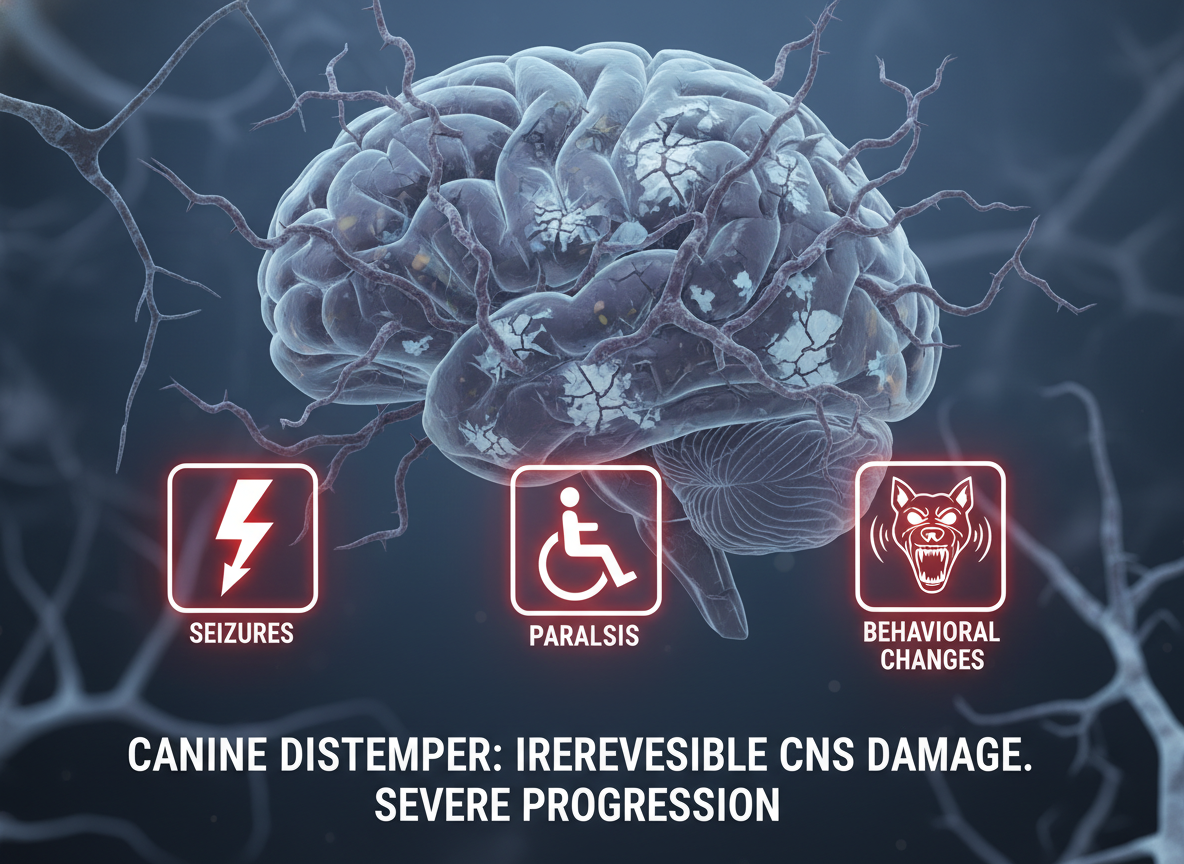
Delving deeper into neurological effects reveals how CDV takes a severe toll. The brain and spinal cord, once affected, may show long-standing impacts. Motor function can deteriorate quickly. Dogs with these symptoms need immediate attention to manage the disease’s course and potential outcomes.
Which dogs are at higher risk of fatal outcomes?
Not all dogs face the same fatality risks from CDV. Unvaccinated puppies, dogs with underlying health issues, and those exposed to aggressive virus strains face higher risks. Proper prevention steps are crucial to protecting these at-risk groups.
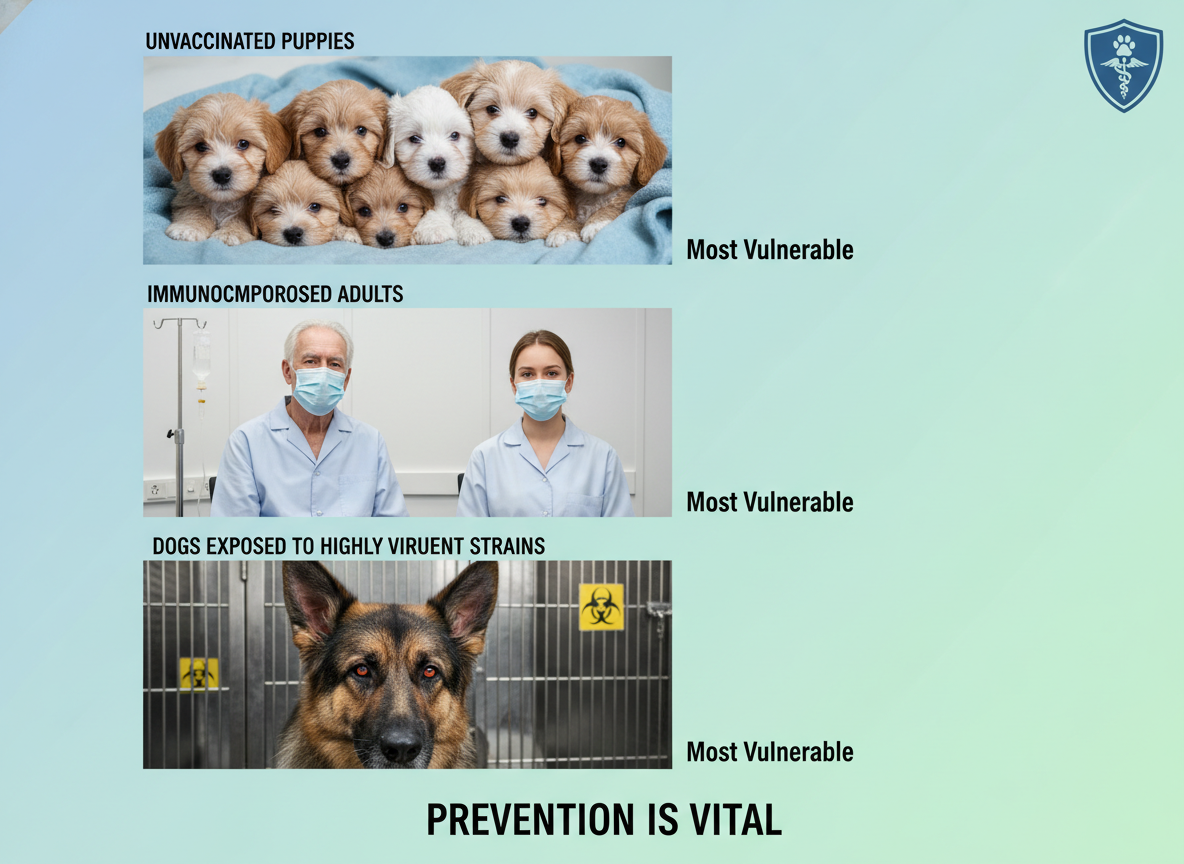
Profiling at-risk dogs can help prevent fatality. Young, unvaccinated pups have immature immune defenses. Adult dogs with compromised immune systems have difficulty combatting the virus. Additionally, exposure to highly aggressive strains poses a significant risk across all ages. Identifying these at-risk categories aids in strategizing preventive care efforts.
Can timely treatment significantly reduce the mortality rate?
Time plays a critical role in managing CDV. Early diagnosis and intervention with aggressive supportive care can hugely impact the disease’s outcome. Swift action is key to lowering mortality rates. Partnering with a reliable ce certification cdv animal disease test factory or a veterinary diagnostics maker can provide the necessary tools for rapid identification.
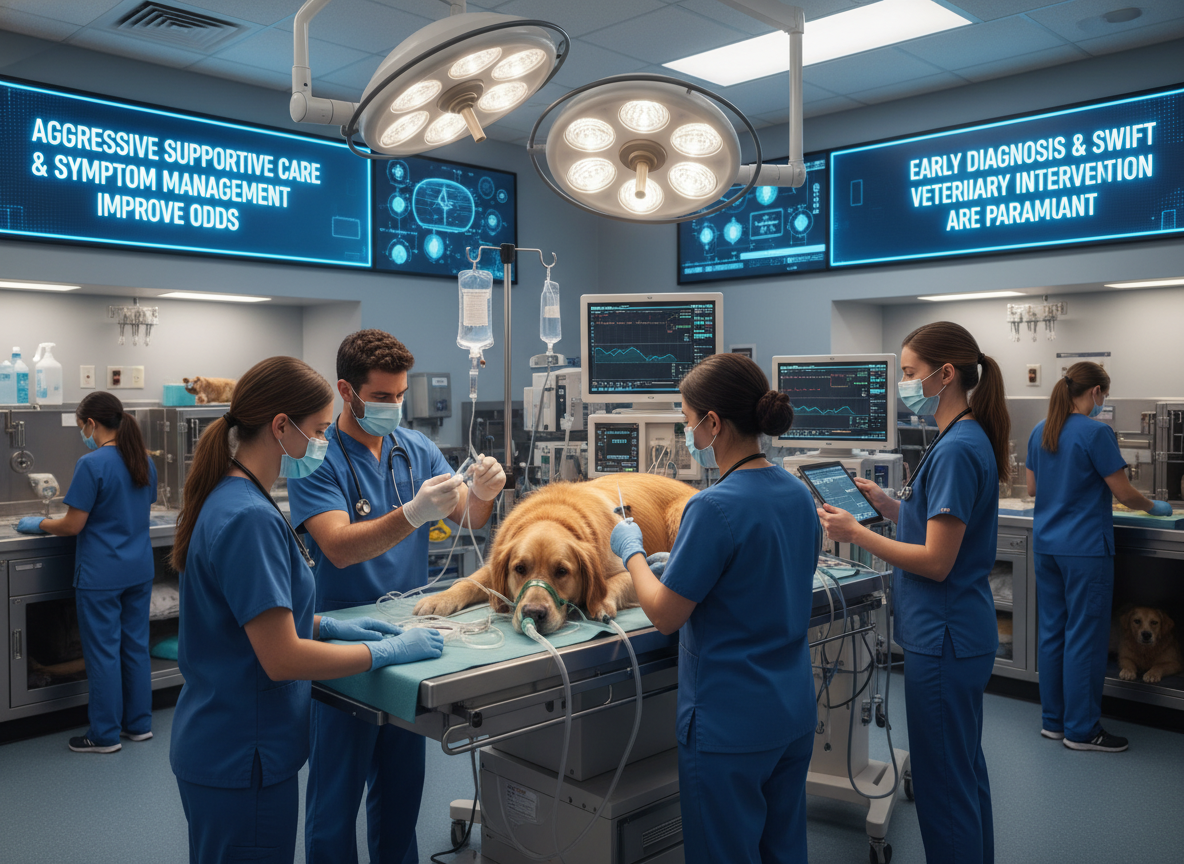
Examining the impact of treatment timing further highlights the importance of rapid response. Once symptoms manifest, veterinary intervention must be immediate. Comprehensive supportive care, including hydration, nutritional support, and symptom-specific treatments, can enhance survival odds. A proactive healthcare approach ensures a more favorable prognosis.
Conclusión
Canine distemper remains fatal to many despite attempts at care. Understanding factors and acting promptly are essential for improving outcomes.


