
What Causes Canine Distemper Virus in Dogs
Canine distemper is a dire threat, devastating organs and weakening defenses. Recognizing its cause could be life-saving. Canine distemper is caused by the Canine Distemper Virus (CDV), transmitted via airborne droplets and direct contact with infected secretions.
How is Canine Distemper Virus Transmitted?
Exposure to infected dogs is perilous; vigilant understanding is crucial. The virus spreads through airborne droplets, when infected dogs cough or sneeze, and direct contact with secretions. Isolation and hygiene are key.
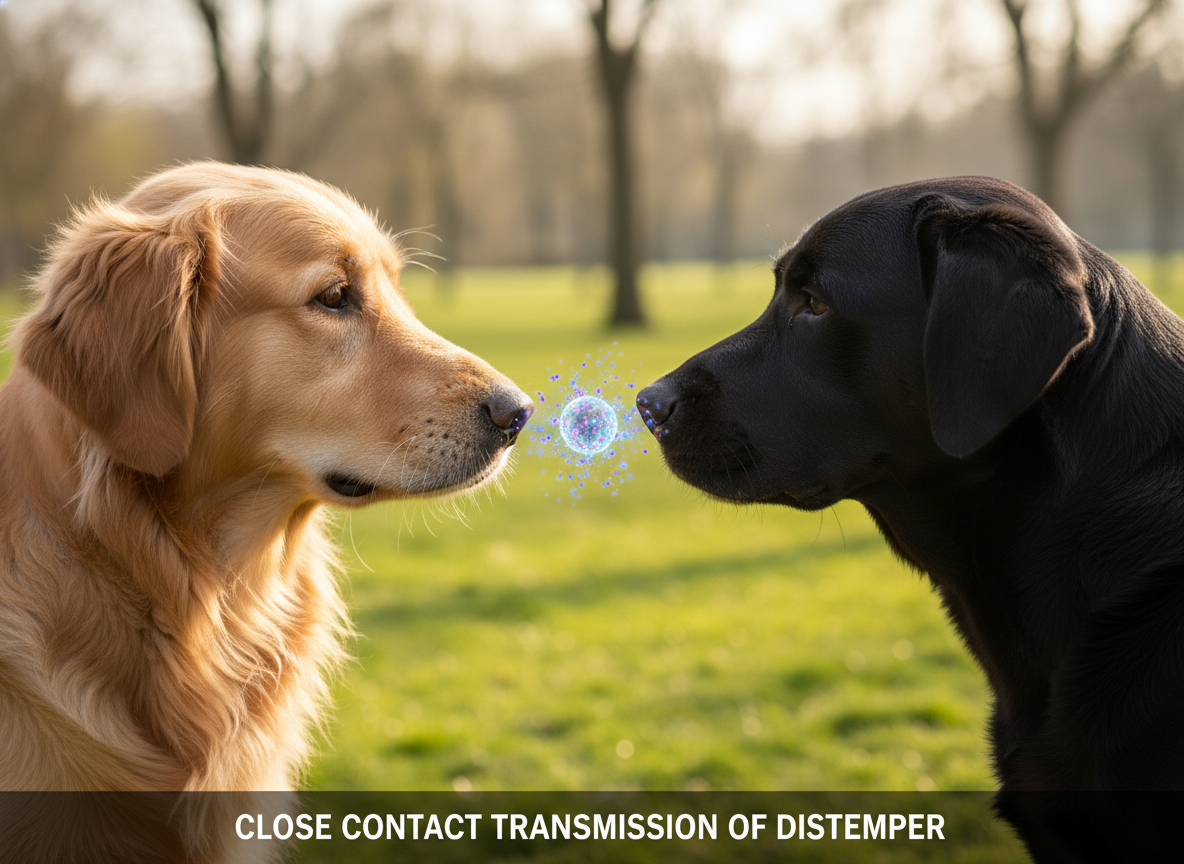
Understanding transmission helps protect dogs. Airborne droplets and shared spaces heighten risk, especially during coughing or sneezing. Precautions should include isolating infected animals and maintaining hygiene to reduce spread. For early detection, a cdv test kit can be invaluable.
Dive Deeper
In crowded environments, disease spreads subtly, unnoticed by pet owners. Regularly disinfecting surfaces, ensuring all pets have sufficient space, and educating handlers on early symptoms or behavioral changes can help mitigate risks. A key preventive measure against distemper is understanding how infection spreads, especially through air and direct contact. For instance, in kennels or dog parks, close monitoring and swift action upon identifying symptoms can protect dogs. Adequate ventilation and routine checks are crucial components in a robust defense against canine distemper virus spread.
What Factors Increase a Dog’s Risk of Contracting CDV?
Immune weakness invites the virus, making vigilance against exposure essential. Huskies, Terriers, or any unvaccinated puppies are particularly vulnerable, along with dogs with compromised immunity.

Higher risks come from lack of vaccination and immune challenges. Crowded living conditions can aggravate exposure to greater danger. In the battle against CDV, proper care in pet communities, monitoring health, nurturing resilience, and routine veterinary checks can significantly decrease vulnerability. A wholesale cdv animal disease test can be a cost-effective solution for large-scale screening.
Dive Deeper
For families with multiple pets, ensuring each animal has its own space reduces risk. Recognizing the importance of boosting immunity through vaccinations is crucial for dogs living in high-density areas. Pets with health issues or age-related immunity declines should have regular check-ups for early signs. Promoting responsible pet ownership through awareness programs could highlight individual risk factors, emphasizing the importance of recognizing symptoms like fever or nasal discharge early on. Regular assessments of environmental health, such as air quality in crowded kennels, contribute greatly toward preventing canine distemper.
What Are the Effects of CDV on a Dog’s Body?
Ignoring distemper’s dangers is lethal; understanding its impact saves lives. Distemper attacks respiratory, gastrointestinal, and nervous systems, causing severe damage and enduring complications.
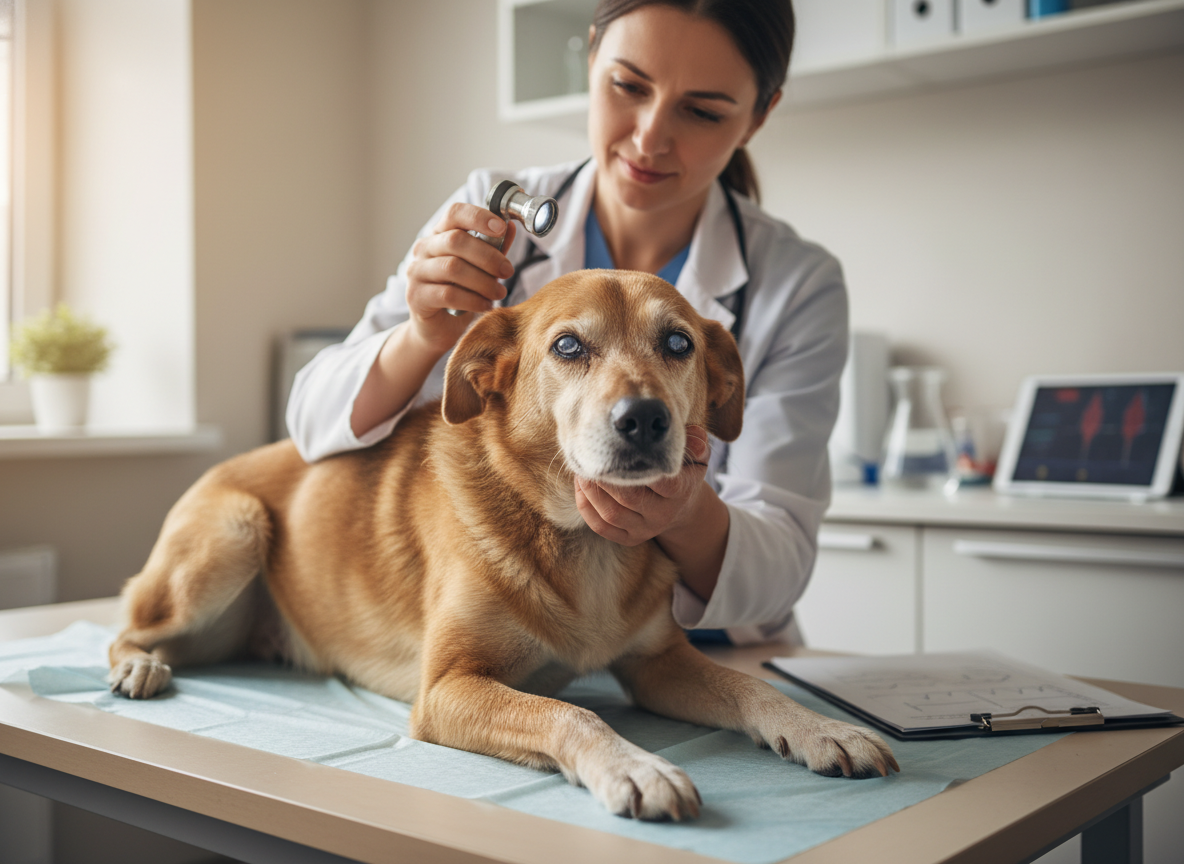
The virus triggers coughing, diarrhea, and seizures, compromising body functions. Timely intervention is crucial to limit the impact. If untouched, distemper can cause prolonged suffering or death, highlighting the importance of early diagnosis through routine checks.
Dive Deeper
The health toll of the canine distemper virus, from respiratory distress to severe diarrhea and even nervous system complications like seizures, demands attention. Adequate nutrition and hydration become critical when caring for infected dogs. A structured approach to rehabilitation post-infection ensures a return to health. Standard monitoring procedures for pets, especially those with underlying conditions, help identify infection early. Encouraging regular communication between pet owners and veterinary experts boosts understanding and management of distemper symptoms. Guided lifestyle adjustments, like tailored exercise routines for recovering dogs, can aid in rebuilding strength post-distemper.
Can Vaccination Effectively Prevent Canine Distemper?
Immunity can shield dogs from distemper and prevent distress. Vaccination is proven to reduce infection risks and enhance dogs’ defenses against the virus.
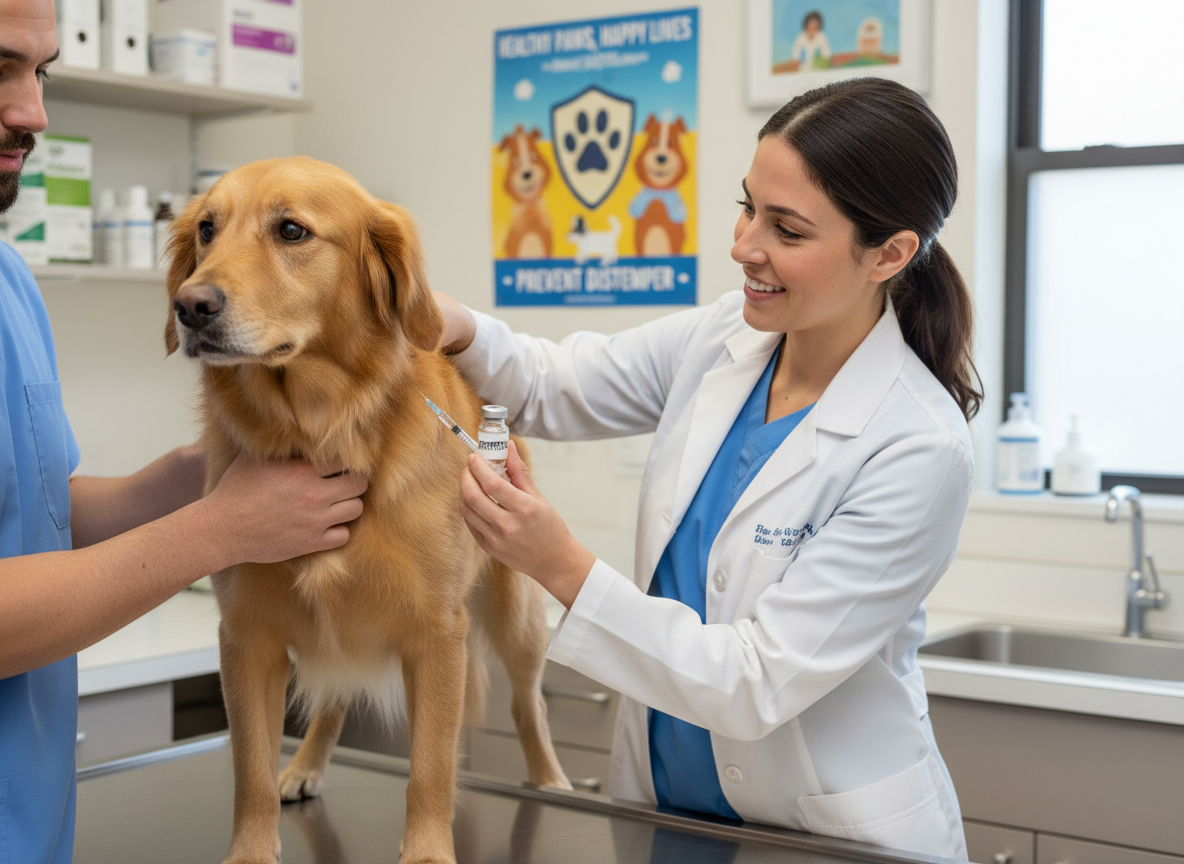
Through timely vaccinations, we can avert the dangers of distemper. Herd immunity within pet communities adds a layer of protection, highlighting the role of community-level health strategies. For all your animal health needs, consider a veterinary health diagnostics specialized wholesaler.
Dive Deeper
Vaccination schedules are vital, ensuring puppies and adult dogs receive appropriate doses for effective immunity. Education on the impact of vaccinations aids in overcoming hesitancy among pet owners. Collaborative efforts between veterinary professionals and public health authorities can boost awareness, emphasizing routine boosters that maintain immunity. Monitoring vaccine uptake and health impact in pet populations help refine strategies. Regular updates on advancements in preventive measures empower communities to adopt effective approaches. Coordinating vaccination drives and presenting clear, concise information on benefits enhances active participation in distemper prevention efforts.
Conclusion
Understanding canine distemper, risks, effects, and proactive vaccination are pivotal in safeguarding dogs’ health.
References
- AVMA: Canine Distemper
- Cornell University College of Veterinary Medicine: Canine Distemper
- CDC: Canine Distemper