
How is Canine Distemper Virus Spread
Understanding how the canine distemper virus (CDV) spreads is crucial for preventing outbreaks. CDV spreads mostly through airborne droplets and direct contact, infecting dogs rapidly.
CDV can spread through the air via droplets, but also through direct contact with infected bodily fluids like respiratory secretions, urine, and nasal discharges. Indirect spread through contaminated items like bowls also plays a role.
What are the Main Ways Canine Distemper Virus is Spread?
Canine distemper virus spreads easily, putting unvaccinated dogs at risk. The virus primarily spreads through close contact and the environment.
Dogs can catch CDV via airborne droplets and direct contact with an infected dog. Shared toys, food containers, and spaces further spread the virus quickly among animals.

By understanding the primary spread routes, we can better protect our dogs. Limiting unprotected dogs’ exposure to potential virus carriers can help reduce transmission risks.
Close attention to social contact among dogs is crucial. CDV is highly contagious, particularly in environments with high animal density. Proper pet hygiene helps curb the virus from spreading too broadly.
Which Secretions or Excretions Carry CDV?
Infected dogs spread CDV through various bodily fluids. Knowing which secretions are involved helps contain the virus efficiently.
CDV primarily spreads through respiratory secretions, urine, and ocular/nasal discharges. Contact with these excretions significantly increases infection risks for other dogs. Consider our canine distemper test for rapid detection.
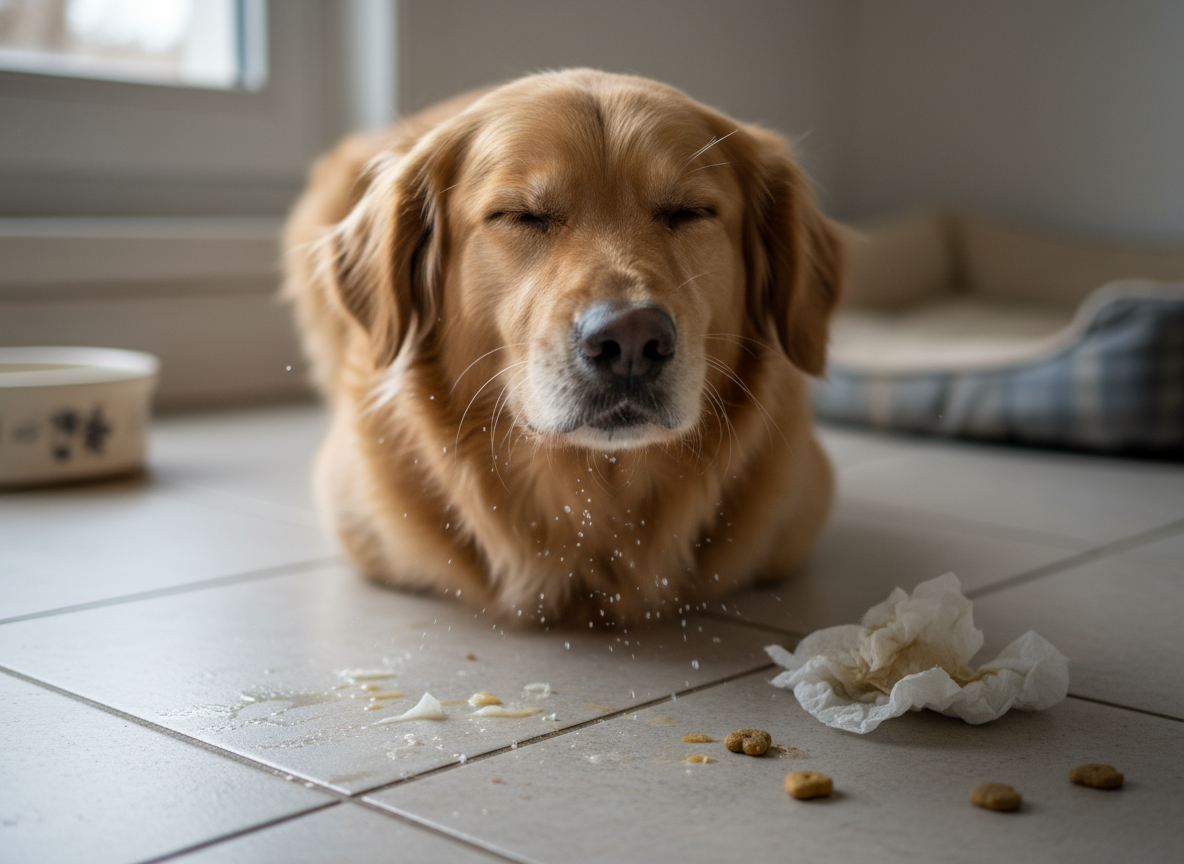
Awareness of how secretions spread the virus is vital for prevention strategies. Understanding them helps us manage infected pets and environments more effectively.
This knowledge empowers pet owners and veterinarians to implement safety measures. Stringent hygiene practices around areas with infected dogs help limit the spread of CDV. For professional diagnostic solutions, explore options from a Pet Diagnosis Production Supplier.
How Does Environmental Contamination Contribute to CDV Transmission?
Environmental contamination significantly impacts CDV transmission. Shared spaces become havens for virus spread, challenging containment.
Contaminated surfaces like shared bowls and kennels contribute to CDV transmission. While CDV has limited environmental survival, these items still facilitate indirect spread.
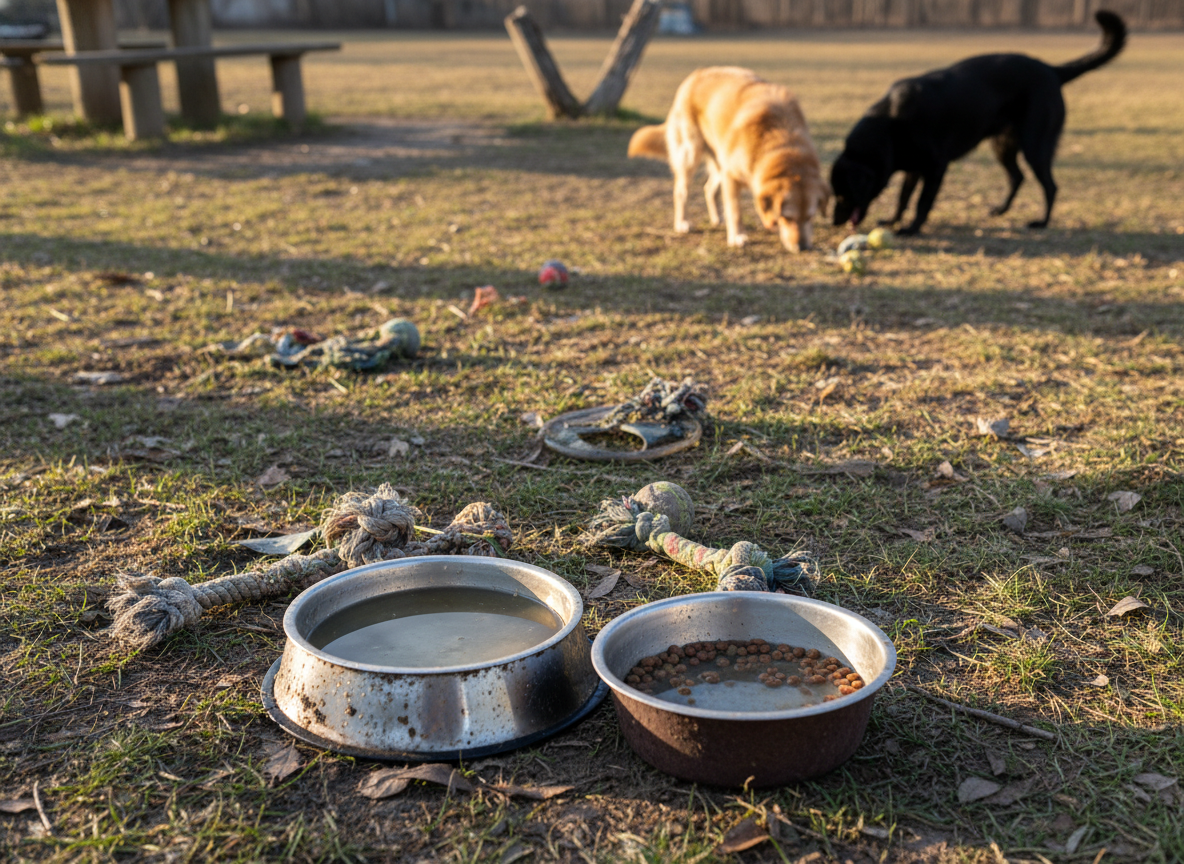
Understanding indirect spread helps us develop better control measures, especially in places hosting multiple dogs. Keeping environments clean reduces transmission risks.
Effective cleaning practices limit viral exposure. Public spaces for pets require routine sanitation to prevent CDV infestation and safeguard unprotected animals.
What Measures Can Effectively Block the Spread of CDV?
Combating CDV involves both individual actions and community efforts. Effective prevention relies on specific measures to block virus spread.
Vaccination, hygiene, and isolating infected dogs are key to preventing CDV spread. Maintaining clean environments and boosting immunity through regular vaccinations help stop outbreaks. Our cdv animal disease test suppliers offer reliable testing kits.
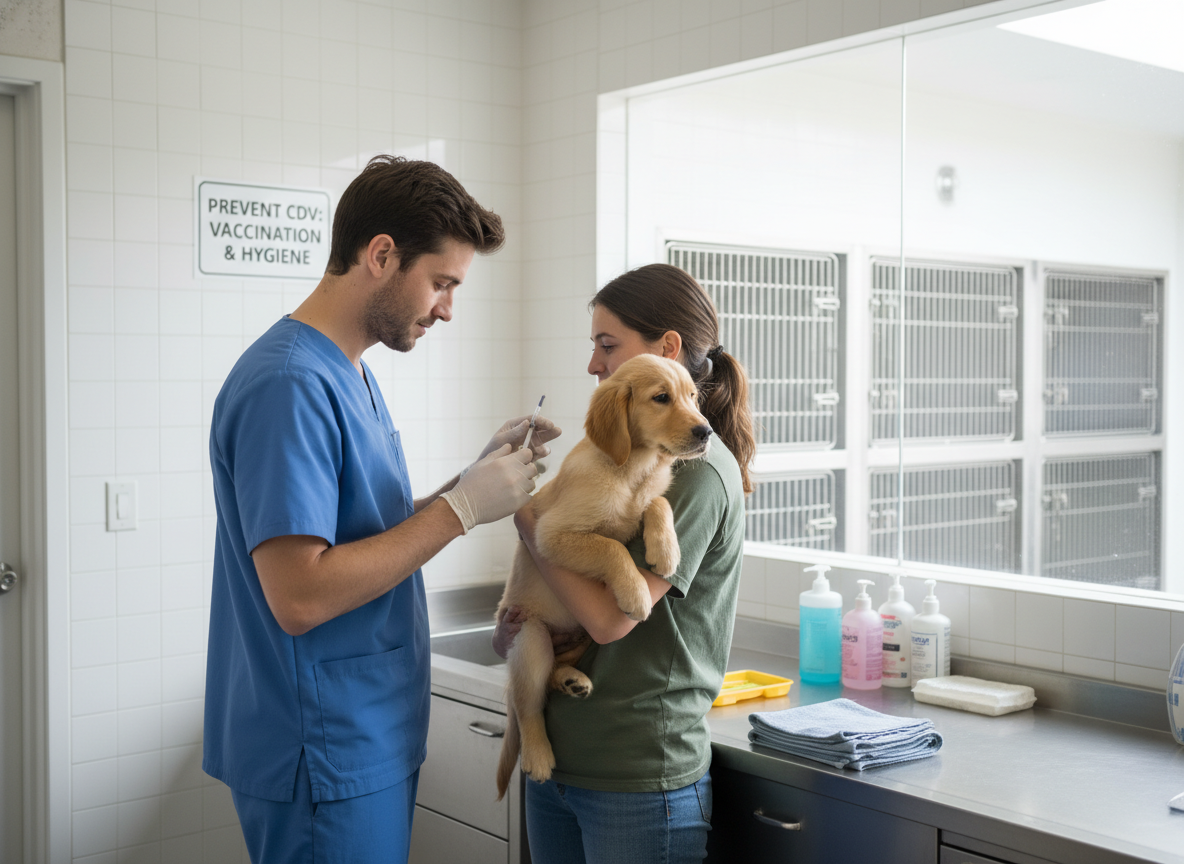
Proactive measures save lives. Through vaccination programs and hygiene, we reduce risk and transmission potential, securing our pets’ health.
Preventative steps not only curb virus spread but also improve the whole community’s safety. Prioritizing these measures ensures longevity and vitality for our furry friends.
Conclusion
Understanding CDV’s spread through direct contact with an infected dog and environment, prioritizing vaccination, and maintaining hygiene are vital for prevention. Even with these measures, the Canine distemper virus can cause irreparable damage to a dog’s nervous system.