
Sequelae of Canine Parvovirus
Canine parvovirus leaves many dogs with challenges even after recovery. These aftermaths often target vital systems like digestion, heart health, and immunity. Recovery may trigger enduring side effects. Dogs that survive CPV may face long-term complications impacting their digestive and heart health, also weakening their immune system. It's crucial for owners to understand these risks to manage and mitigate potential issues.
What common sequelae are caused by canine parvovirus?
After CPV infection, dogs can exhibit lingering problems. Frustration often stems from unresolved symptoms post-recovery. Common sequelae include gastrointestinal distress, cardiac issues, and weakened immunity. These conditions may arise due to the body's previous battle with the virus and can persist indefinitely if not addressed through proper care and monitoring.
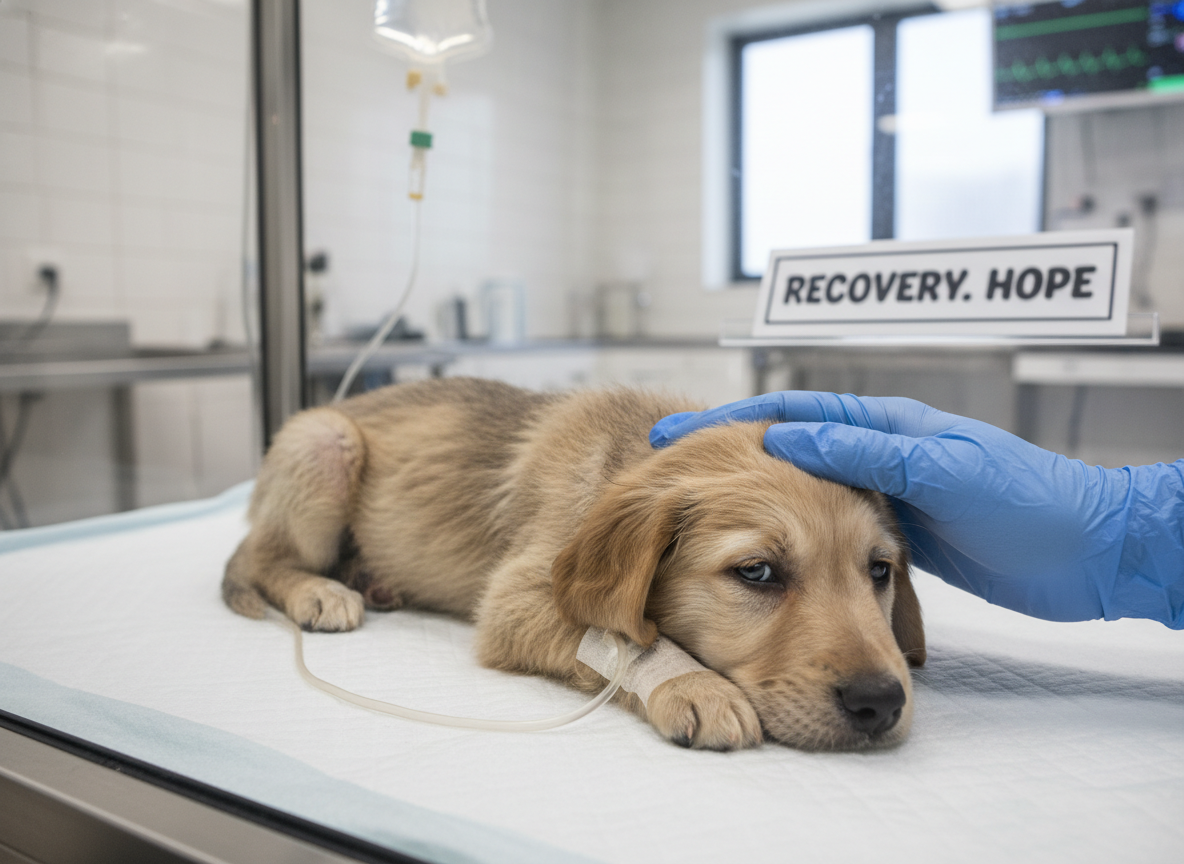
Understanding these aftereffects helps mitigate their impact. While symptoms manifest differently, owners should watch for signs like digestive instability or fatigue. Through vigilance, issues can be curtailed early.
Veterinary guidance enhances pet recovery:
- Digestive Health: Offer balanced nutrition, monitor for gastrointestinal symptoms.
- Cardiac Health: Regular heart check-ups, be alert to lethargy or breathlessness. The virus can lead to conditions like myocarditis.
- Immune Support: Consistent monitoring, nutritional support to bolster immunity.
Why may recovered dogs still develop health issues?
Recovered dogs often face unforeseen complications. These latent impacts can pose ongoing challenges. Post-recovery health issues arise due to residual damage or weakened systems. Virus-induced stress on the body may lead to compromised functions, leaving lasting traces despite recovery.
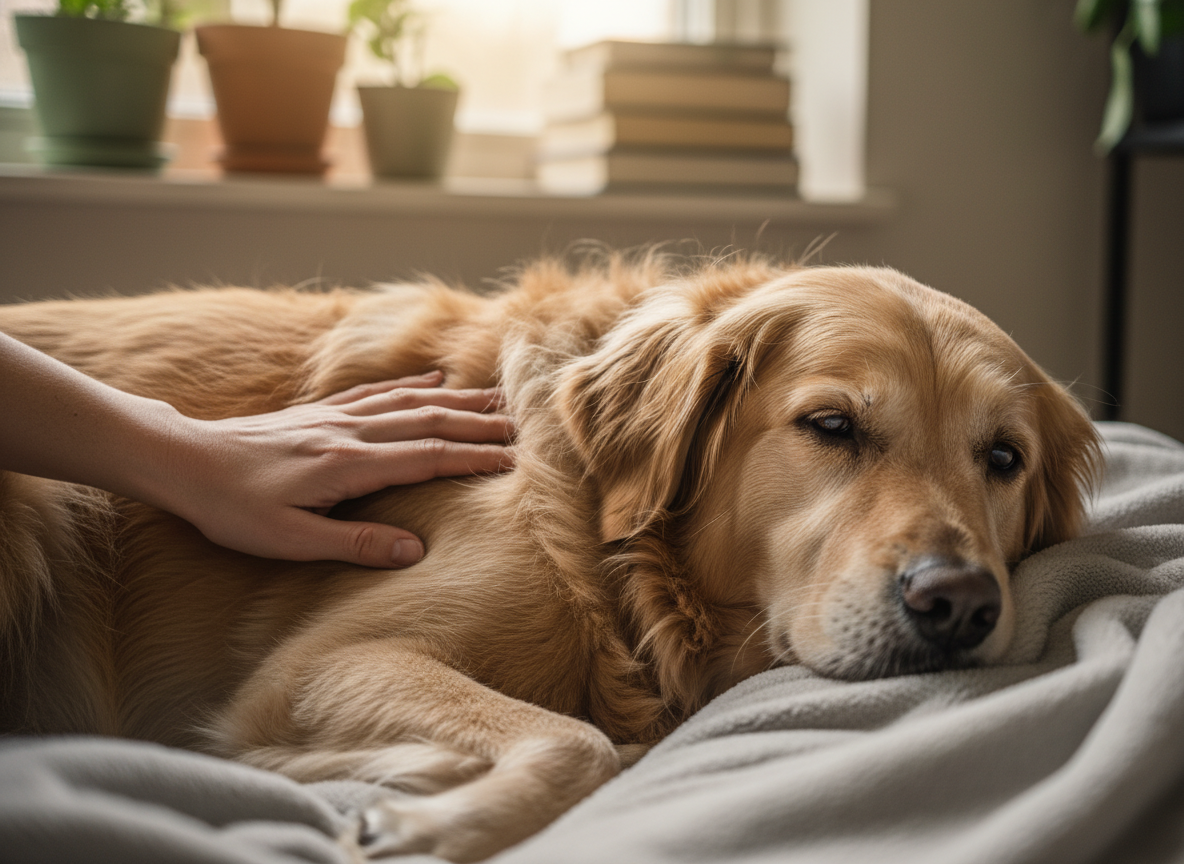
Continued monitoring is vital. Owners should be proactive in observing changes to ensure early intervention. Through awareness of these potential aftereffects, both owners and veterinarians can enhance recovery prospects.
Key aspects of monitoring recovered dogs include:
- Détection précoce : Regular veterinary visits, attentive monitoring.
- Lifestyle Adjustments: Adapt care routines based on emerging health needs.
- Collaborative Care: Foster communication between skilled veterinarians and owners.
How can the long-term effects of canine parvovirus be monitored and managed?
Effective management involves vigilance and strategic intervention. Overlooking potential signs can lead to compounded difficulties. Monitoring can avert long-term challenges from CPV's aftermaths. Regular vet consultations, alongside at-home Veterinary Diagnosis tools, are essential for health stabilization.
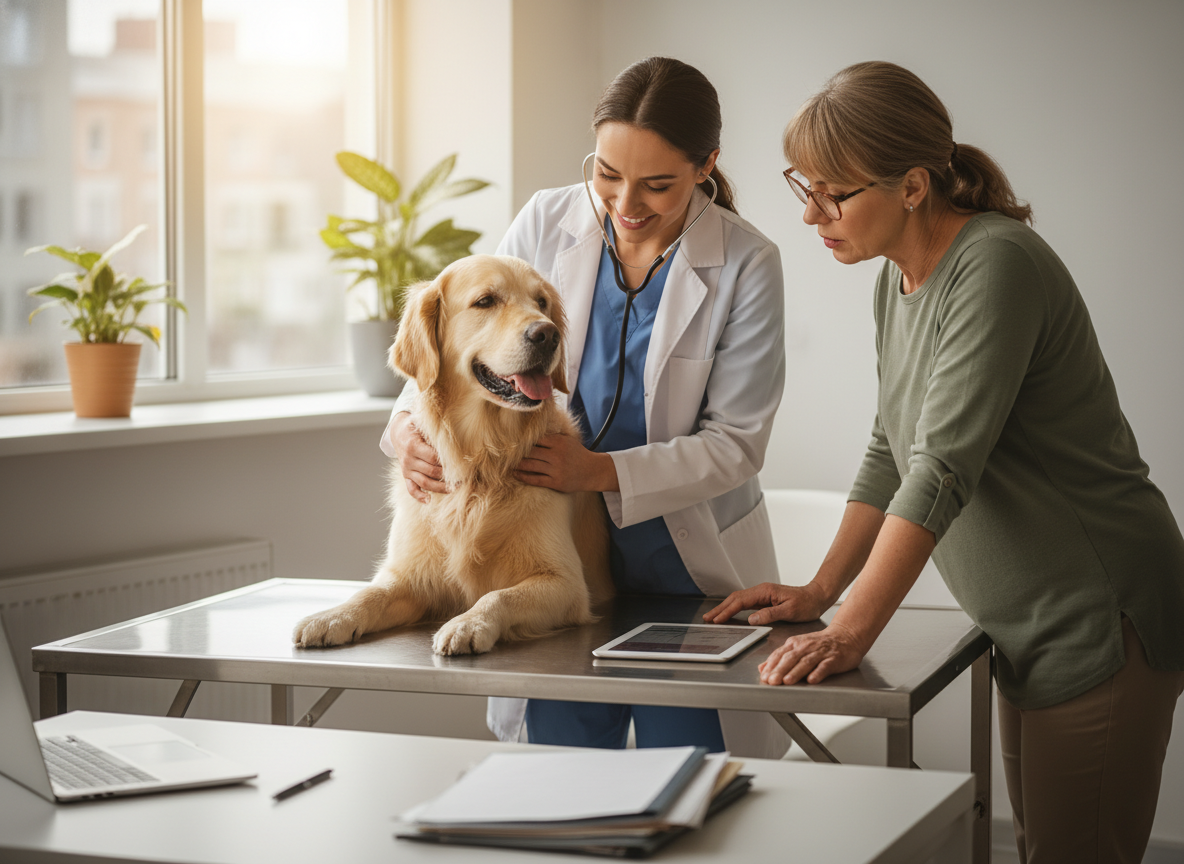
Owners should adopt comprehensive care approaches. Whether through dietary changes or enhanced exercise, maintaining awareness of their dog's health post-recovery is crucial.
Essential steps to manage long-term effects are:
- Consistent Reviews: Regular health assessments by a trusted vet.
- Nutritional Adjustments: Tailor diet to specific health concerns.
- Behavioral Observations: Monitor changes in behavior, indicative of health shifts.
What measures can reduce the risk of sequelae from canine parvovirus?
Prevention and targeted care deter future complications. Proactive measures bolster health and resilience against toxins. Reducing sequelae risk requires a multi-faceted approach. Vaccination remains crucial, alongside maintaining a healthy immune system through diet and lifestyle choices for the dog. Furthermore, early and rapid testing for cpv dogs can significantly improve outcomes by enabling swift treatment.
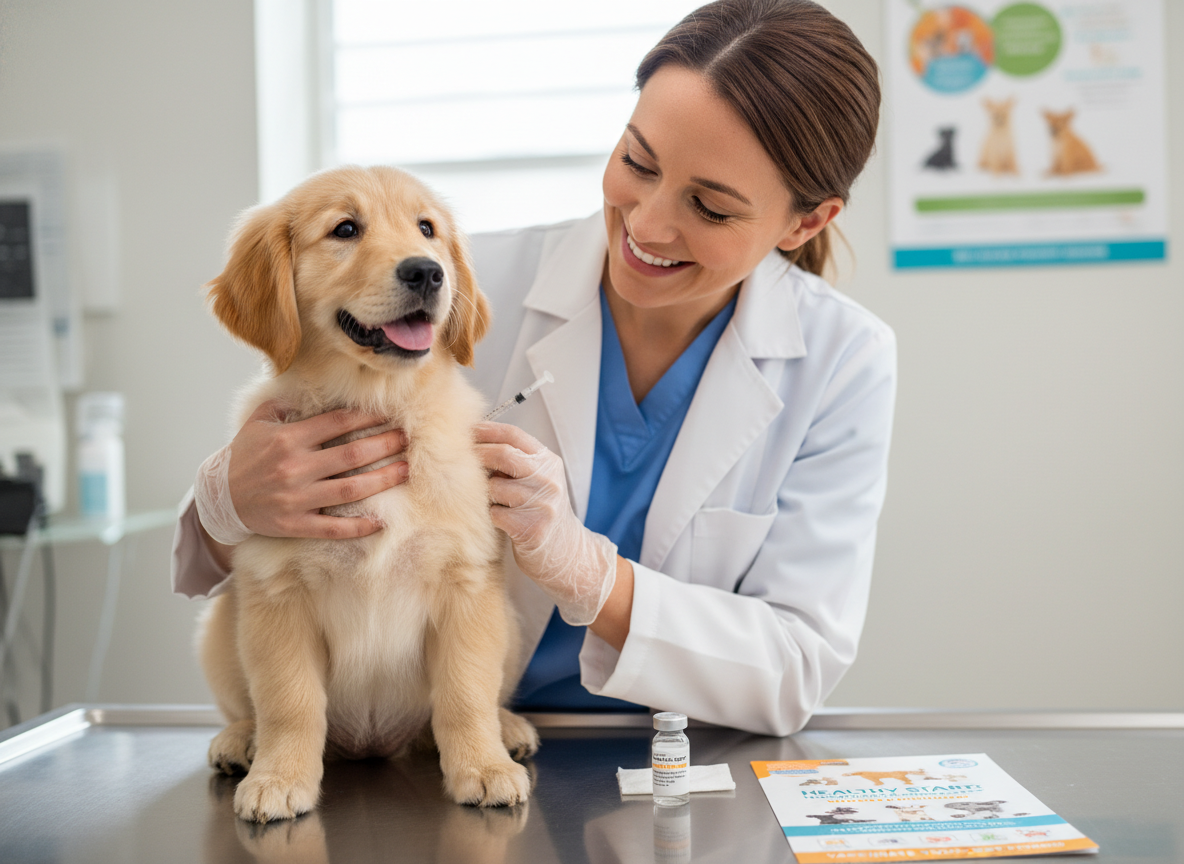
Timely interventions are critical. Vaccinations and regular preventative checks are cornerstones in enhancing pet defenses against future CPV risks. Recognize and prioritize critical strategies to guard against sequelae:
- Vaccination Protocols: Strict adherence to vaccine schedules.
- Nutritional Standards: Optimize diets for immune resilience.
- Routine Vet Visits: Preventative care through consistent appointments, ensuring timely intervention for emerging issues.
Conclusion
Understanding and addressing sequelae from canine parvovirus is crucial. Through vigilance and informed care, we can enhance our pets' quality of life post-recovery. For additional resources and professional diagnostic supplies, the Veterinary Diagnosis Factory can be a valuable partner.
References
- AVMA: Canine Parvovirus
- Cornell University, Baker Institute for Animal Health: Canine Parvovirus
- UC Davis Veterinary Medicine: Don't Underestimate the Threat of Parvovirus
- The Royal Veterinary College: What is parvovirus and how is it treated?


