
How a Dog with Canine Distemper Virus Acts
Canine distemper can be terrifying for pet owners, with its ability to cause sudden and severe behavioral changes in dogs. Early detection is crucial.
Dogs infected with CDV exhibit multi-system symptoms, which worsen as the disease advances. Recognizing the signs early, including lethargy and appetite changes, helps save lives and prevent spread.
What behaviors do dogs show in the early stage of CDV infection?
In the initial stages of CDV, your dog might seem slightly "off." Their behavior could trigger concerns, even before physical symptoms become obvious.
Dogs in the early stages often show lethargy, reduced appetite, and mild respiratory distress, such as nasal discharge or sneezing. This is often mistaken for minor illness like a cold.

As a pet owner, it's heartbreaking to see your dog lose interest in their favorite activities. This change can seem subtle at first but pay attention. Even something as ordinary as leaving food untouched or a drop in energy can be an early red flag.
Dive deeper into early warning signs:
| Symptom | Key Details | Why It Matters |
|---|---|---|
| Lethargy | Dog becomes less playful, sleeps more | Indicates decline in health |
| Loss of appetite | Eats less or skips meals | Signals systemic infection impact |
| Mild nasal discharge | Clear discharge, sneezing | Points to respiratory involvement |
Early intervention at this stage can be game-changing, especially when paired with diagnostic tools like a SaberVet Canine Distemper Virus Antibody Rapid Test and guidance from your veterinarian.
What are the typical symptoms when the disease progresses?
As the infection escalates, your dog’s behavior worsens, leaving even experienced owners feeling overwhelmed. Symptoms become hard to miss.
Common signs of advancing distemper include heavy coughing, persistent vomiting, watery diarrhea, and thick nasal discharge. Secondary bacterial infections may develop.
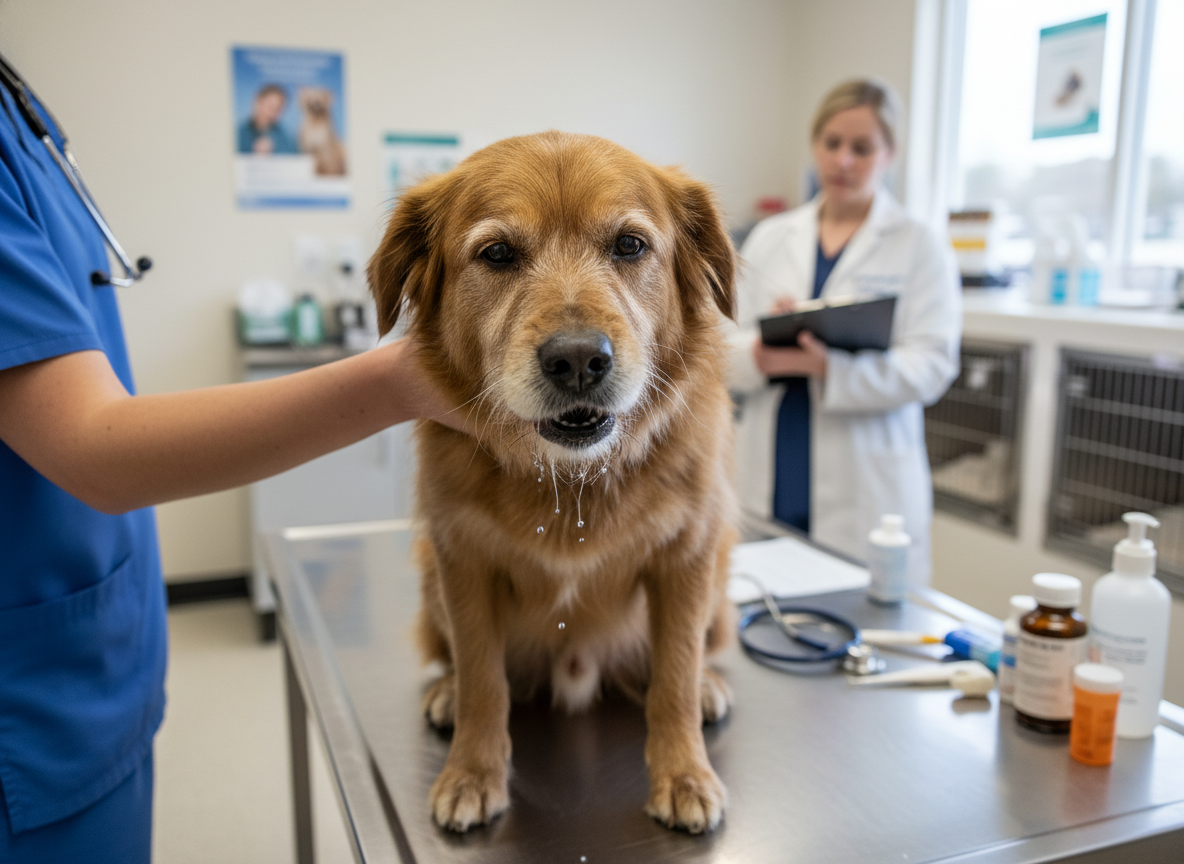
During this stage, your dog may need constant care. You could notice repeated vomiting, which makes hydration critical. Watching a beloved pet suffer severe intestinal and respiratory issues is a heart-wrenching experience. It’s an urgent signal for action. For more information on canine distemper symptoms, an antigen test can provide clarity.
Dive deeper into advancing symptoms:
| Symptom | Key Details | Why It Matters |
|---|---|---|
| Persistent vomiting | Prevents hydration, worsens weakness | Immediate risk to internal balance |
| Severe coughing | Endpoint of respiratory distress | High risk of pneumonia |
| Heavy diarrhea | Extreme fluid loss | Can lead to fatal dehydration |
| Discharge (thick) | Symptom intensifies | Indicates spread within systems |
Careful monitoring and quick intervention often reduce severity during this stage, improving potential outcomes.
What neurological behaviors are associated with canine distemper?
Advanced distemper brings challenges no pet owner should face alone. Neurological symptoms often change how dogs interact with their environment.
Symptoms such as seizures, twitching, imbalance, and coordination issues signal nervous system involvement. Dogs can seem confused or anxious, making care difficult.

Watching a dog struggle with balance or suffer a seizure is emotionally and mentally draining for caregivers. You may feel helpless, but understanding these symptoms gives you clarity.
Dive deeper into neurological impacts:
| Neurological Behavior | Key Details | Care Task |
|---|---|---|
| Seizures | Uncontrolled jerking movements | Immediate veterinary guidance |
| Muscle twitching | Unprovoked spasms | Regular observation |
| Coordination loss | Clumsiness or falls | Ensure safety from injury |
| Anxiety/disorientation | Unfamiliar responses or confusion | Comfort and reduced stimulation |
Timely diagnosis of neurological symptoms can shape decisions, helping you discuss advanced care options with your vet.
Why is behavioral observation important for early CDV diagnosis?
Recognizing subtle behaviors is vital. It often makes the difference between managing distemper early or facing severe consequences.
Noticing unusual behaviors early, from changes in energy to neurological signs, means faster intervention. CDV spreads quickly, so quick action can prevent worsening illness and transmission.
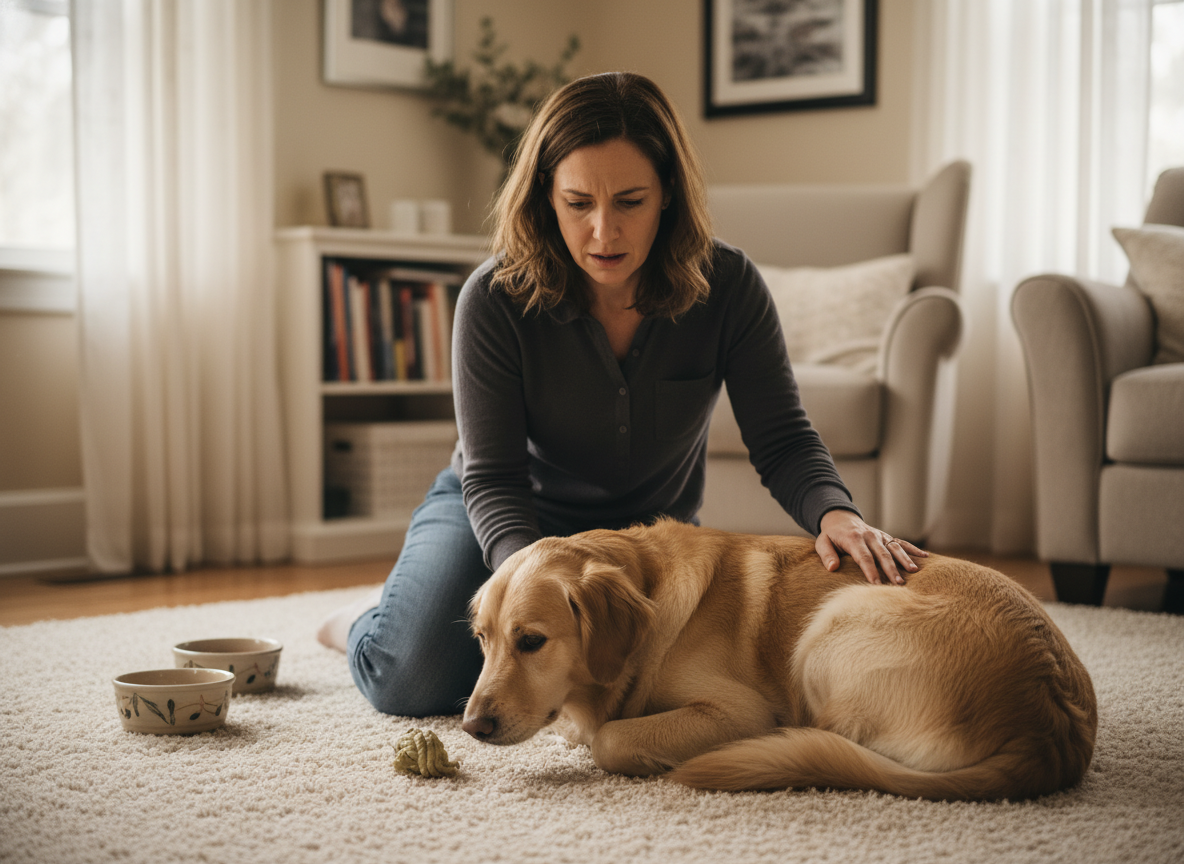
Pet owners who actively observe their dogs’ subtle changes are more likely to catch CDV early, understand risk factors, and protect other dogs. These steps reduce spread and increase survival chances.
Dive deeper into the importance of observation:
| Key Action | Benefit | Why It Matters |
|---|---|---|
| Daily symptom log | Tracks progression | Helps vet identify early signs |
| Watching for stagnation | Spots unnoticed behavior changes | Prevents escalation |
| Prompt vet visits | Diagnoses before symptoms worsen | Improves treatment response |
Behavioral changes are not just random; they’re messages your dog needs help. Observing carefully helps secure timely care.
Conclusion
Behavioral observations are vital to recognizing canine distemper virus. Early detection and quick action save lives, minimize suffering, and prevent the spread of this serious disease. Reliable diagnostic tools from a trusted Veterinary Lab Diagnosis Instrument Manufacturer can aid in this process.
References


