
How do raccoons get canine distemper virus
Raccoons face the peril of contracting canine distemper virus (CDV) through interactions with infected wildlife. The disease spreads quickly in shared environments. Identifying transmission routes aids prevention.
Raccoons commonly acquire CDV through direct contact with infected animals or polluted environments. Transmission occurs via bodily fluids, airborne droplets, and contaminated food or water.
How do raccoons contract canine distemper virus?
Raccoons are drawn into danger with their curiosity, exploring environments where CDV lurks. Direct contact with infected wildlife leads to infection.
Raccoons contract CDV by coming into contact with infected animals or environments. Bodily fluids, such as saliva, urine, or feces, often harbor the virus, creating a pathway for transmission. Find out more about the distemper distemper test with a cdv rapid test.
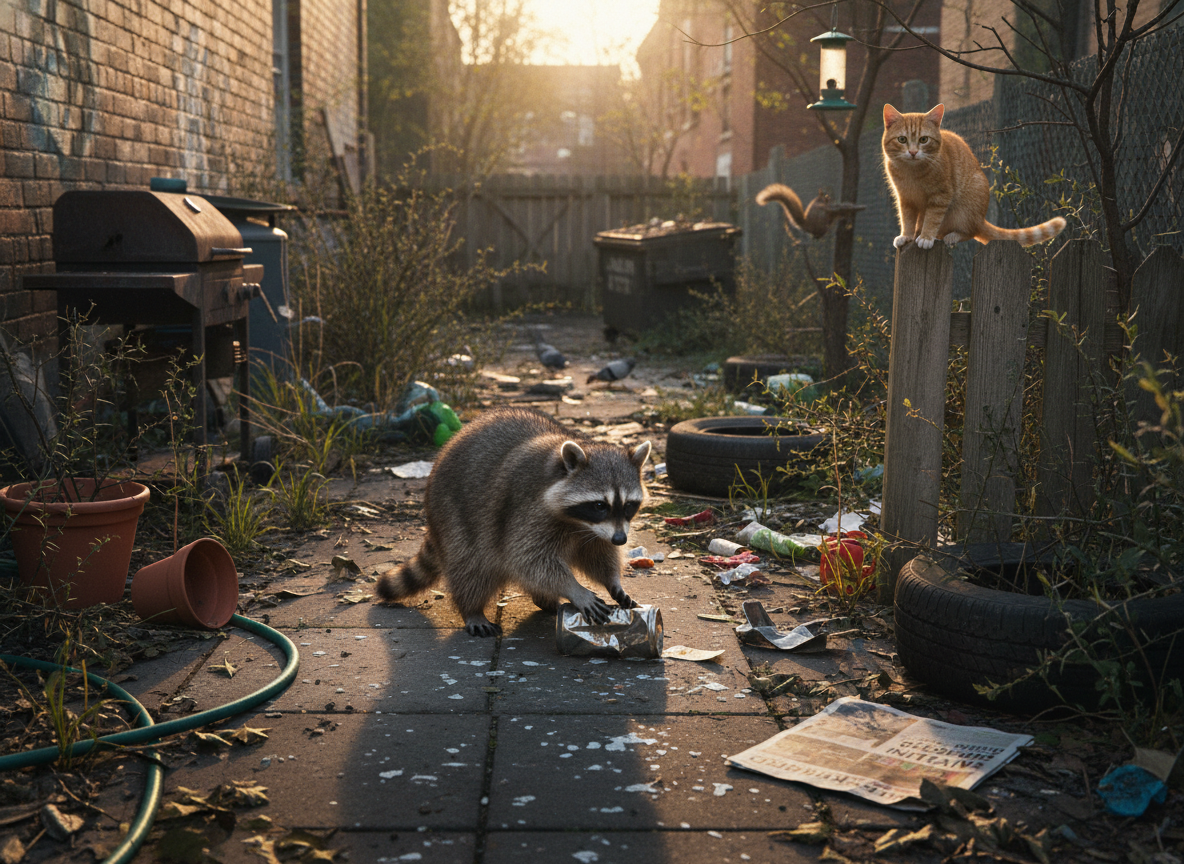
Understanding such interactions is vital. Contaminated environments, whether urban backyards or dense forests, present significant risks. These interactions can expose raccoons and trigger infection scenarios. In local and urban habitats, where wildlife meets domestic spaces, pathways for CDV spread increase. These common environments serve as conduits for diseases, demanding careful monitoring and preventive measures to shield raccoon populations and prevent cross-species disease transmission.
What role do environmental factors play in raccoon CDV infection?
Dense environments expose raccoons to contagious wildlife more frequently. These high-risk areas enable rapid CDV spread among raccoon populations.
Environmental factors, such as population density and habitat overlap with other wildlife, contribute significantly to the spread of CDV among raccoons.
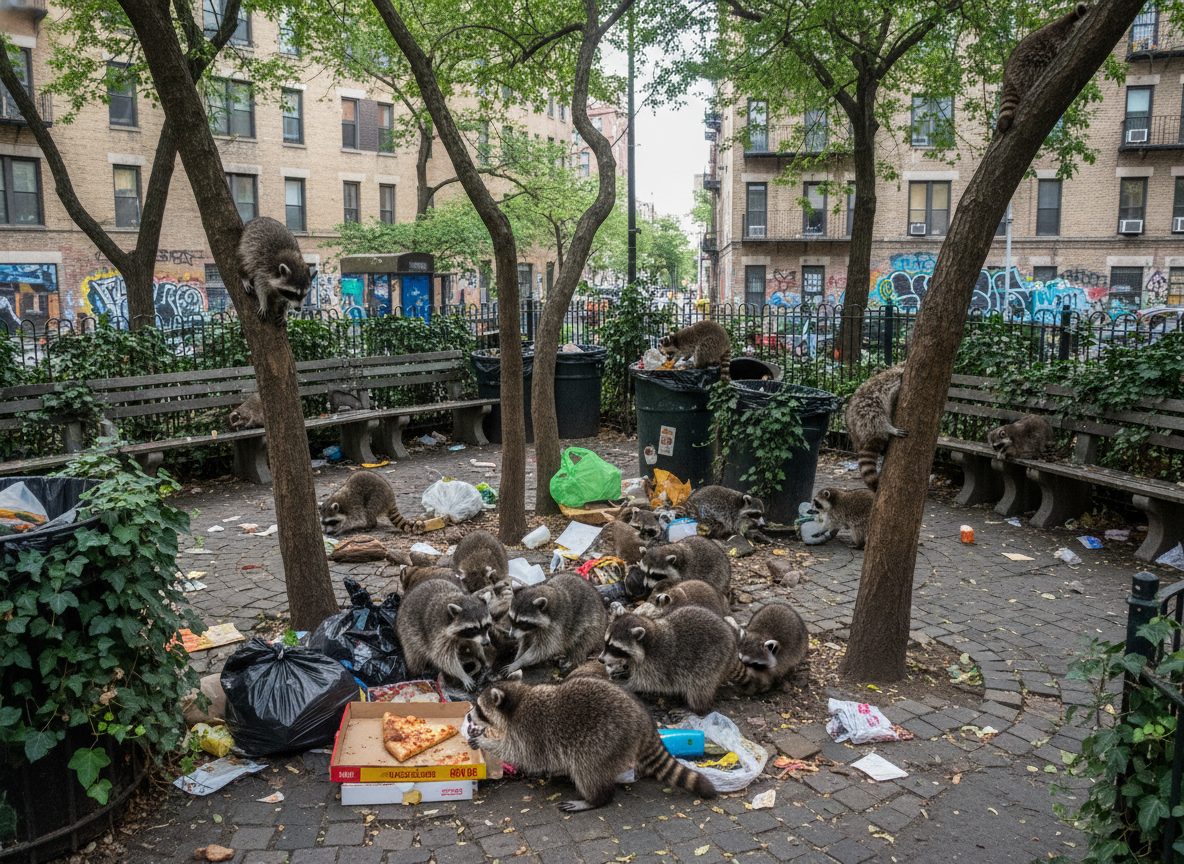
Raccoons inhabit a mix of urban and wild environments, venturing through potential areas of exposure. Urban areas, bustling with wildlife interactions, amplify the risk. Dense habitats foster interaction with various animals, raising the likelihood of CDV exposure. These surroundings affect transmission dynamics, increasing the need for adaptive approaches to manage raccoon health effectively. Consideration of environmental factors in raccoon management can lead to strategies for reducing transmission risks, ultimately ensuring healthier populations in these shared spaces.
How does CDV infection affect raccoon populations?
Infected raccoons suffer from respiratory and neurological damage, leading to population instability. Understanding these impacts is key to raccoon conservation.
Canine distemper virus (CDV) causes serious health issues in raccoons. The virus leads to respiratory, gastrointestinal, and neurological damage, affecting population stability.
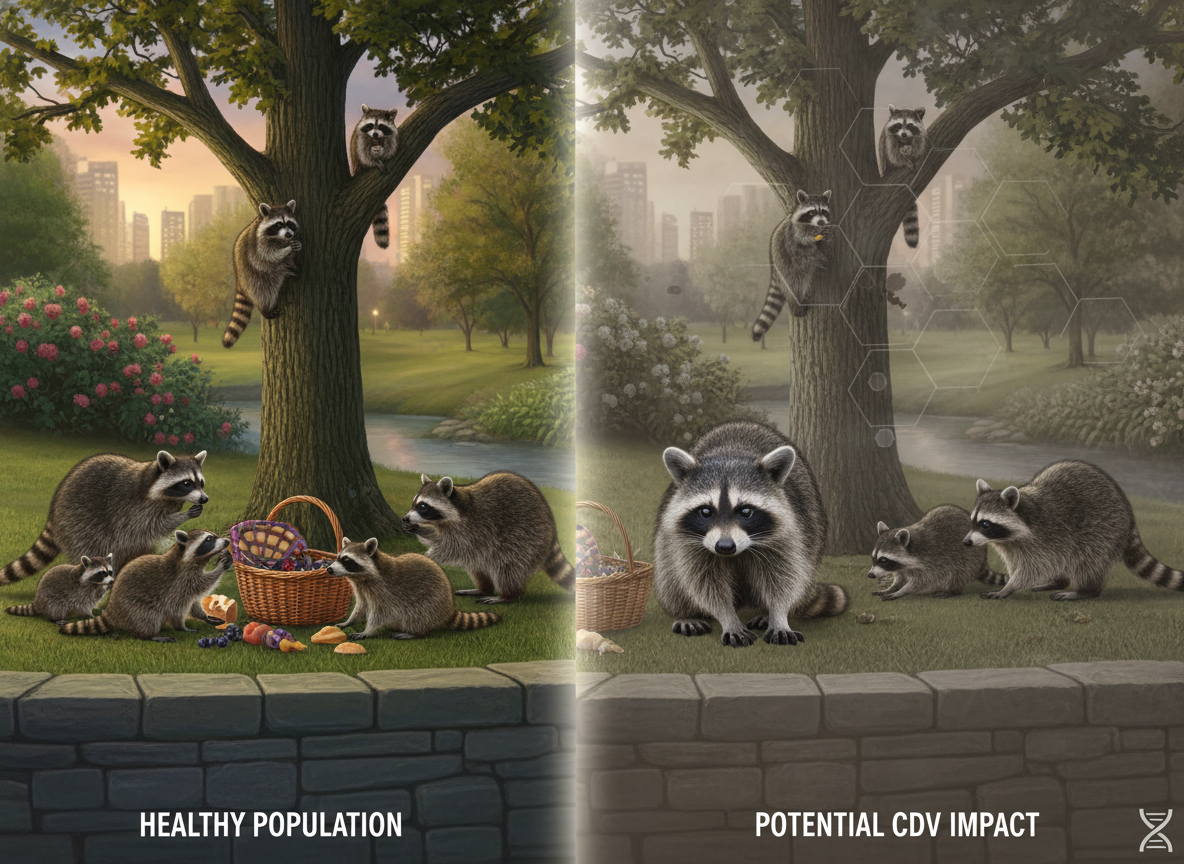
The virus impacts raccoon populations by interfering with health, affecting not only individuals but entire groups. As CDV cases rise, these groups face increasing mortality rates, disrupting stable population dynamics. This effect implies a need for monitoring and intervention whenever infection patterns change. Such disruptions highlight the importance of disease management, ensuring early detection and preventive measures safeguard wildlife health. Conservation efforts aimed at understanding and addressing CDV impacts are crucial for maintaining population balance and preserving ecosystems. As a Veterinary Clinical Diagnosis Device Manufacturer, we are committed to providing the best solutions for animal health.
Why is it important to study the link between raccoons and CDV transmission?
Studying raccoon and CDV connections prevents wider outbreaks that threaten pets and wildlife. Identifying transmission routes is vital for prevention and management.
Understanding raccoon interactions with CDV transmission is crucial for effective prevention strategies in shared environments with pets and wildlife.
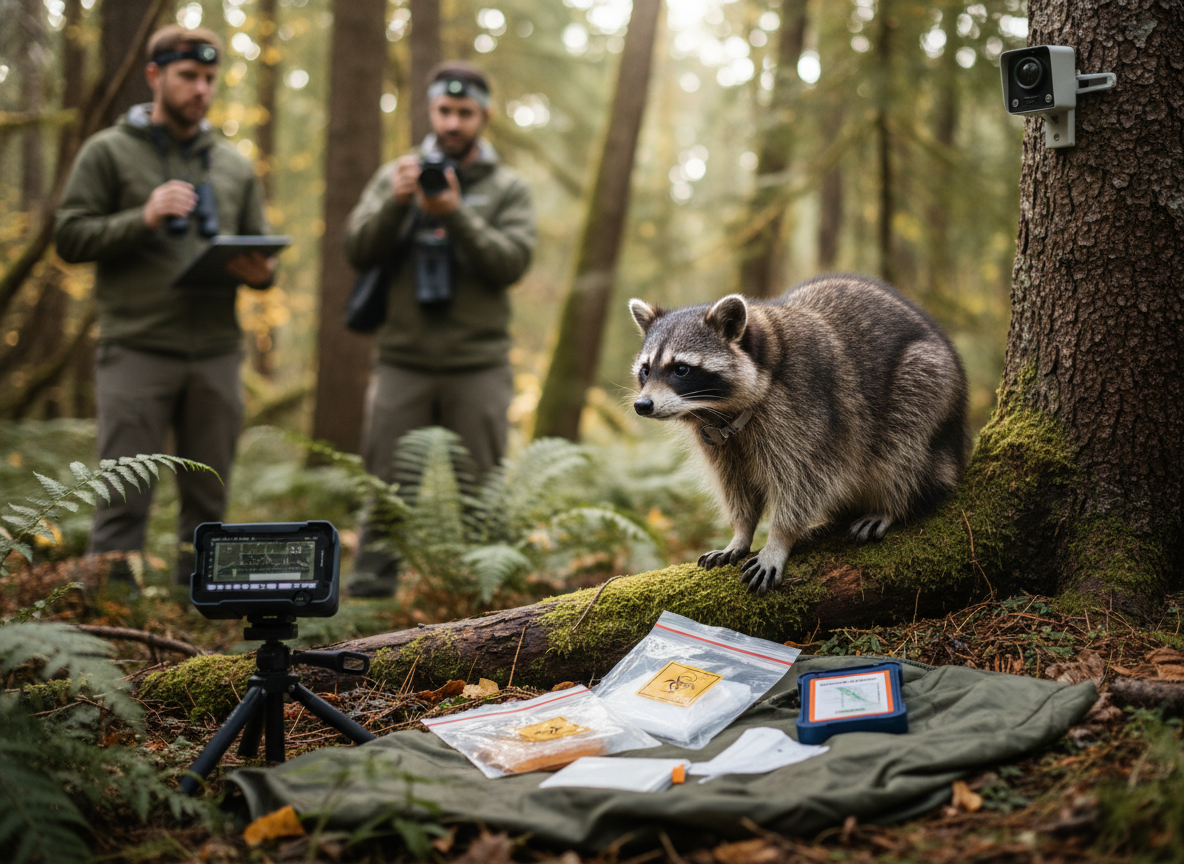
Knowledge of raccoon behavior and disease dynamics enhances disease control, aiding in prevention efforts. Understanding transmission pathways can guide research, focusing on impactful measures for CDV management. This research establishes foundational knowledge, guiding control measures and enhancing disease management protocols. The link between raccoons and CDV sheds light on broader ecosystem health and protection strategies, underscoring the necessity of ongoing studies in wildlife disease management, ensuring healthier environments for both wildlife and pet populations.
Conclusion
Identifying transmission routes aids in preventing CDV spread. Understanding raccoon interactions with CDV guides effective management strategies. This research protects wildlife and pets alike.