How does canine distemper virus move
Canine distemper virus (CDV) presents serious challenges and concerns for dog owners. Understanding how this virus moves is vital for prevention and early detection strategies.
CDV primarily spreads through respiratory droplets, direct contact, and cell-to-cell movement within a host. Once inside, it uses the bloodstream and lymphatic system to invade various body systems, causing widespread damage.
How does canine distemper virus spread between dogs?
CDV easily spreads among dogs, causing outbreaks in kennels and dog parks. Dog owners should be aware of this virus for prevention.
The virus transmits through airborne droplets, direct contact with infected dogs, and contaminated surfaces. Infected dogs can spread the virus by coughing, sneezing, or direct contact with others.
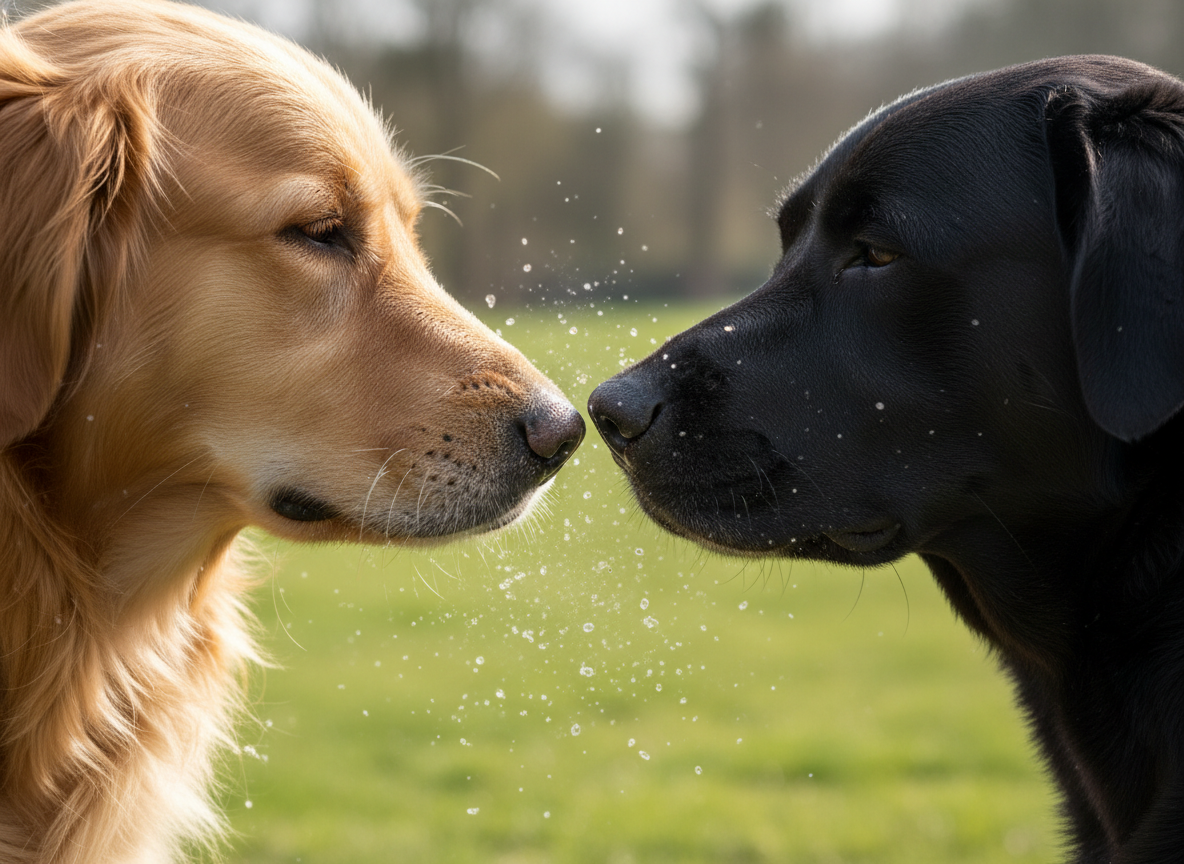
Monitoring the social interactions of dogs, especially in crowded environments, is essential. Infected dogs may appear healthy initially but can still transmit the virus through respiratory secretions. Dog owners should prioritize ensuring vaccination and avoiding contact with symptomatic animals to mitigate transmission risks.
Inform dog owners about symptoms to recognize and take preventive steps. One common symptom is coughing. Dogs with distemper will cough frequently, spreading the virus in droplets. Nasal discharge and sneezing also spread the virus further. These symptoms contribute to transmission between dogs in close proximity.
Through which pathways does CDV disseminate inside the body?
Once CDV enters a canine host, it rapidly invades multiple systems. This internal movement poses a great challenge to veterinarians targeting effective treatments.
CDV initially targets the respiratory tract, then spreads through the bloodstream and lymphatic system. It reaches critical areas like the gastrointestinal tract and nervous system, causing extensive damage.
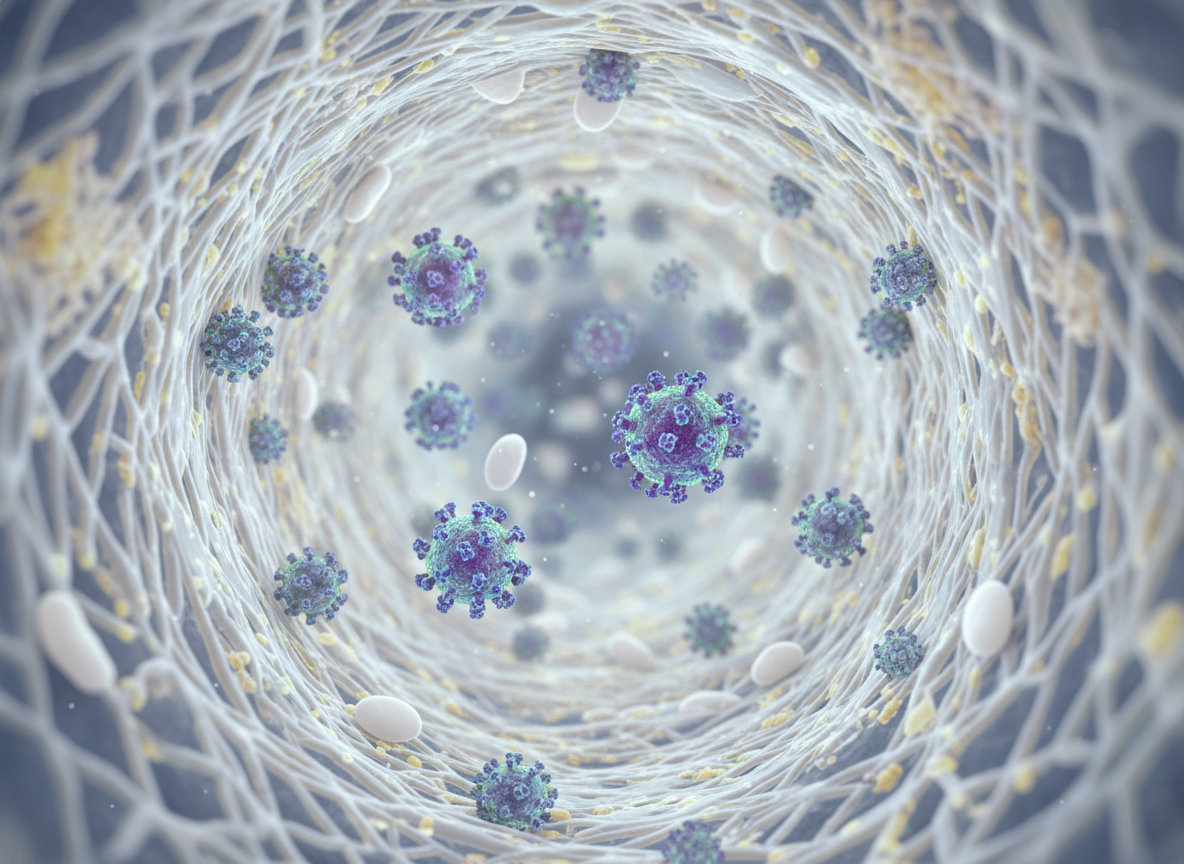
Understanding the virus’s progression is crucial for developing intervention strategies. Initial invasion begins in the respiratory tract, followed by dissemination into systemic circulation. Target organs then become infected, leading to symptoms representing the areas affected.
Scientific focus should remain on battling CDV movement from initial entry into its host body to widespread systemic damage. Respiratory entry is where the virus first contacts susceptible cells. CDV then uses circulation pathways for immune system evasion and entry into multiple organs. Timely diagnostics, like cdv dog testing, and interventions based on viral pathways can mitigate severe clinical outcomes.
How does CDV move from one cell to another?
CDV’s ability to spread between cells is key to its virulence. For dog owners, understanding this process assists in recognizing symptoms early on.
CDV moves between cells through direct fusion and budding methods. Infected cells fuse with adjacent cells, enabling the virus to spread, often unnoticed initially.
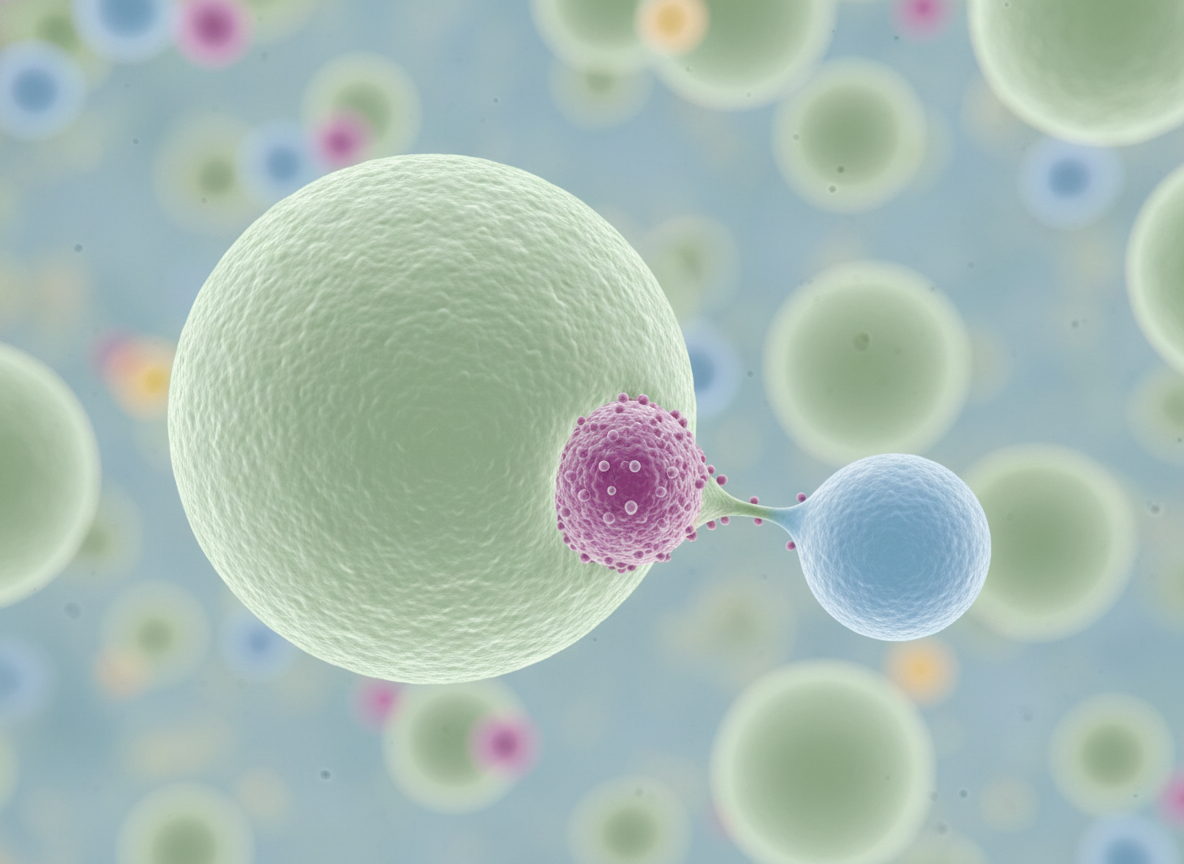
Exploring CDV cell-to-cell movement elucidates mechanisms leading to widespread damage. Virus particles exploit cellular respiratory systems, increasing intercellular contact and facilitating transmission between clusters of cells. Membrane fusion events further promote rapid spread inside tissues.
For dog owners, scrutinizing symptoms indicating viral spread from one infected cell to another is critical. Understanding the cellular dynamics sheds light on CDV transmission pathways. This knowledge informs early detection efforts, leading to prompt interventions. Careful pet monitoring can reveal signs of increasing viral loads necessitating action.
Why is studying CDV movement important for disease control?
Understanding CDV movement equips owners with insights into prevention and intervention strategies, protecting canine health. Stakeholders can refine diagnostics and treatment plans effectively.
Studying CDV movement aids in designing vaccines and antiviral drugs targeting its transmission pathways. Insights into viral spread guide public health initiatives to control outbreaks.

Surveillance systems monitoring CDV movement remain critical for disease control. For larger-scale animal management, wholesale cdv animal disease test quotes are available. Understanding spread dynamics reveals areas for strategic interventions including isolation protocols, vaccination campaigns, and antiviral drug developments. Knowledge empowers pet owners with effective preventative and measurable intervention skills.
Owners can benefit by contributing insights toward management strategies pinpointing the virus’s intricate transmission routes. Collaborative environments focus on diminishing viral infections. Stakeholders should harness innovative research to delve further into CDV pathways and optimize interventions tailored to canine health.
Conclusion
Studying CDV’s movement informs preventive strategies and interventions, safeguarding dogs against the virus’s spread and systemic damage. As a leading Pet Medical Diagnosis Kit Manufacturer, we are committed to providing high-quality diagnostic tools to help protect our beloved pets.
References
- USDA APHIS | Canine Distemper
- Cornell University College of Veterinary Medicine | Canine Distemper
- American Veterinary Medical Association (AVMA) | Canine Distemper