
How Is Canine Distemper Virus Transmitted
Canine distemper virus (CDV) is a serious concern for dog owners. It spreads easily among dogs, leading to significant health issues. Understanding how CDV is transmitted can help in preventing its spread.
Transmission happens mainly through inhalation of infected droplets and direct contact with body fluids from affected dogs. The virus is also capable of surviving short durations on contaminated surfaces, enabling indirect transmission.
What Are the Primary Transmission Routes of Canine Distemper Virus?
CDV finds its way into dogs mainly through droplets. When a dog coughs or sneezes, it releases the virus into the air, which another dog may inhale. For more detailed information, you can refer to this AVMA article.
The virus doesn’t stop at direct contact. It can spread rapidly in environments like kennels or shelters where dogs are close to each other. The risk increases significantly with close physical contact. As a leading china cdv test kit wholesaler, we understand the importance of rapid diagnosis in controlling outbreaks.
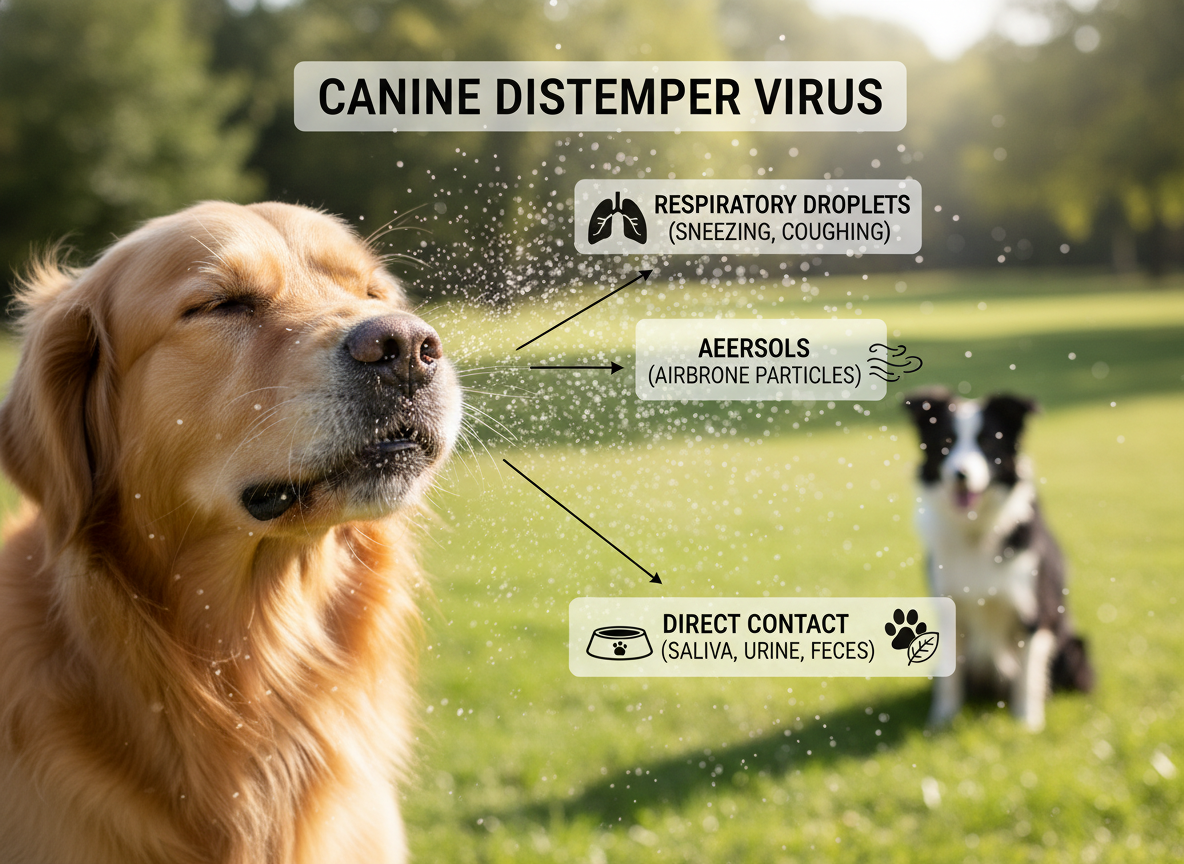
To fully grasp the virus’s transmission, it’s vital to consider both droplet and direct bodily fluid contact. Discovering that physical proximity fuels rapid dispersal can inform prevention efforts. Other overlooked methods like indirect transmission due to shared contaminated items also play a role.
How Do Environments and Objects Contribute to the Spread of CDV?
You may not realize it, but environments can be perfect hosts for CDV. Items like bowls and surfaces in kennels can get contaminated and facilitate indirect transmission.
Every object exposed to an infected dog poses a risk. While direct contact is prevalent, contaminated environments carry their own inherent danger. CDV can linger on items, which can transfer the virus if touched or used by another dog.

It’s crucial to understand that while environments may appear clean, invisible dangers like CDV persist. Ensuring routine cleaning and proper hygiene can substantially cut transmission risks. Knowing which objects pose particular threats will guide protective measures.
Which Dogs Are More Susceptible to CDV Infection?
CDV doesn’t affect all dogs equally. Puppies and immunocompromised dogs often bear the brunt due to weaker defenses.
Young and unvaccinated dogs face higher risks. These dogs often lack the immunity needed to ward off attacks. Thus, they require vigilant protection and preventive care to fight off infection.
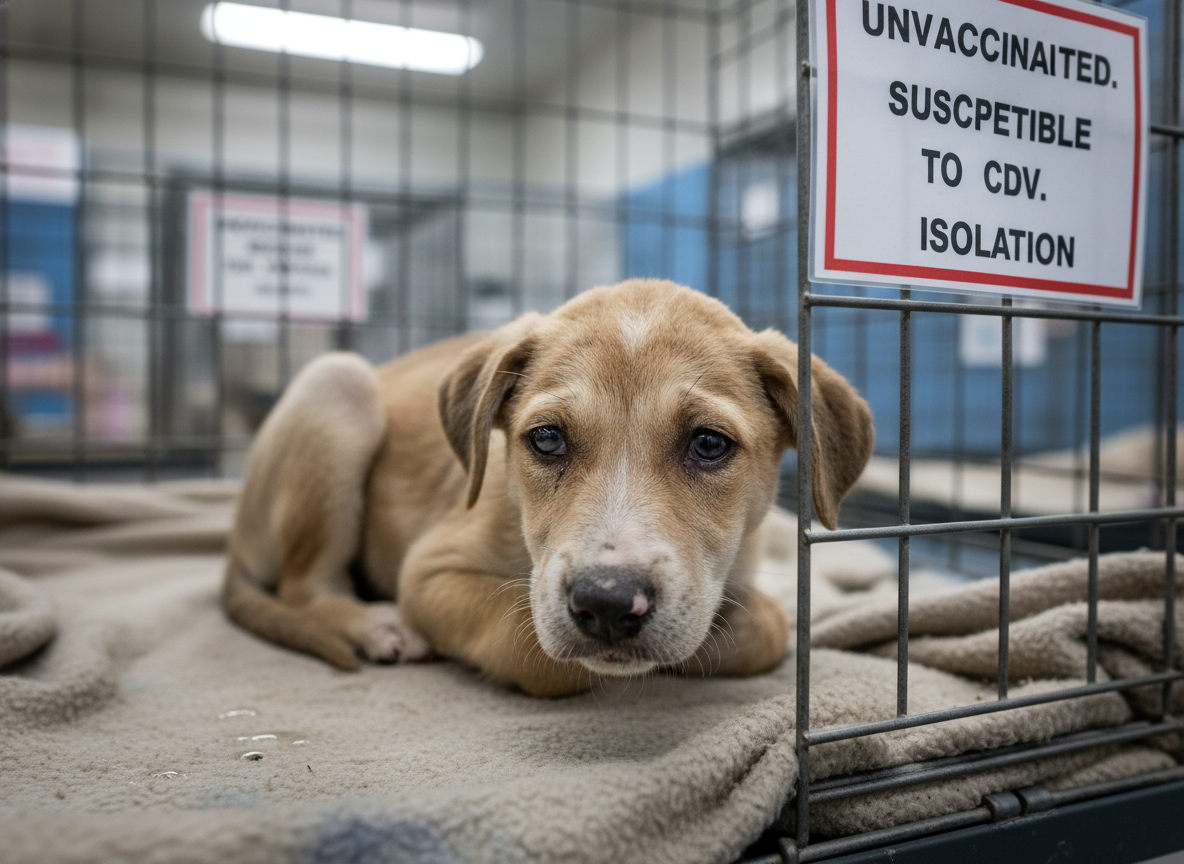
Recognizing susceptible populations leads to proactive interventions. Puppies require special attention to ensure early vaccination provides immunity. Understanding immunocompromised states and promoting better defenses reduce CDV’s threat.
What Measures Can Reduce the Risk of CDV Transmission?
Preventing CDV is not insurmountable. Vaccinations and cleanliness go a long way in minimizing the risk of infection. As a cdv animal disease test manufacturer, we offer solutions for early detection.
Vaccines create a shield against infection. Maintaining a clean living space, particularly in shared environments, cuts potential indirect transmission. Adequate measures can safeguard dogs from CDV efficiently.
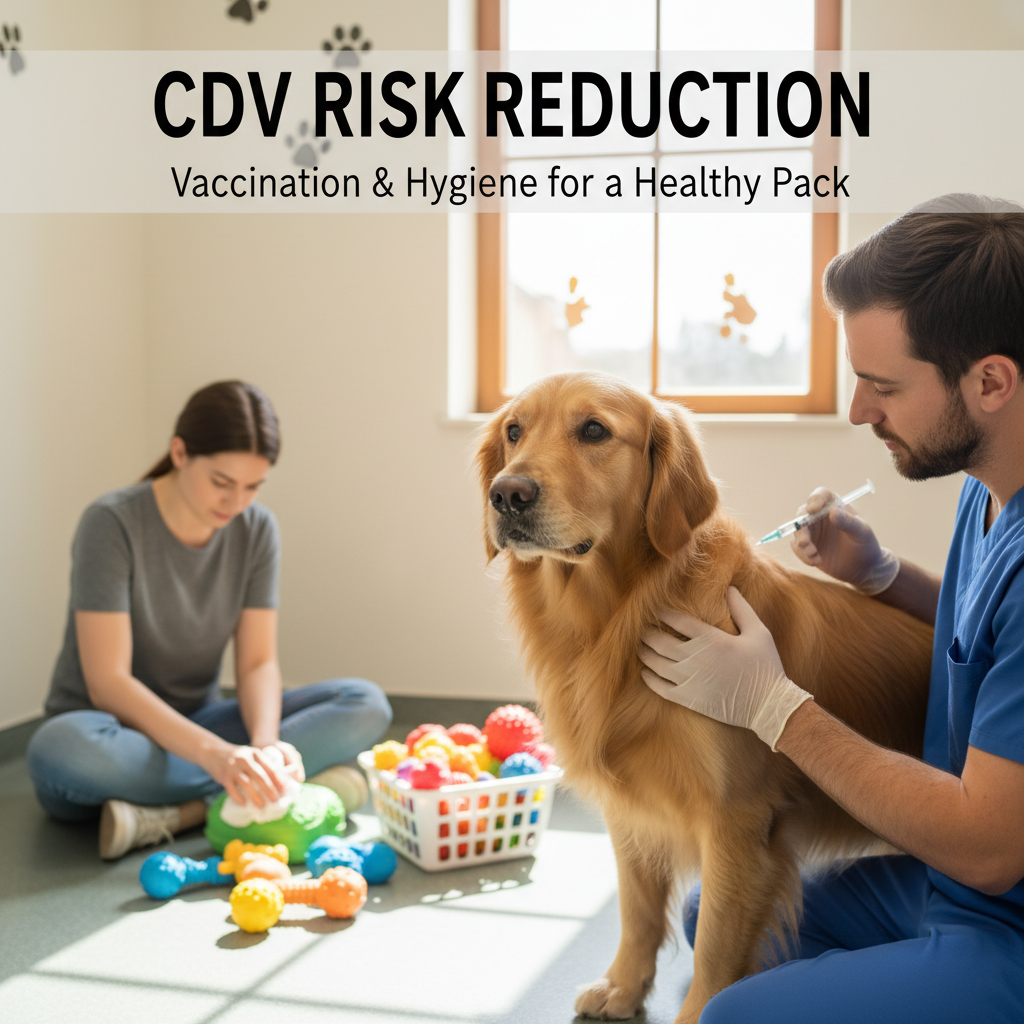
Focusing on two primary areas yields major benefits: vaccination fosters immune protection while effective object cleaning removes lurking dangers. Combining these strategies fortifies defenses against CDV exposure.
Conclusion
Understanding CDV and its transmission routes is key to safeguarding canine health. Proactive measures stem its spread effectively, ensuring brighter health prospects for dogs. For more information on animal health diagnostics, you can visit our website, a leading veterinary health diagnostics OEM manufacturer.
References
- American Veterinary Medical Association (AVMA): Canine Distemper
- Cornell University College of Veterinary Medicine: Canine Distemper
- UC Davis School of Veterinary Medicine: Canine Distemper Virus (CDV)