
How Common is Canine Distemper Virus Worldwide?
In disease research, few things seem more pressing than understanding global prevalence. Canine distemper virus is no exception—it thrives in areas lacking protective measures.
Worldwide, CDV persists in regions with inadequate vaccination infrastructures. While rates have dropped in domesticated dogs, outbreaks still occur. Stray animals and wildlife exacerbate the spread.
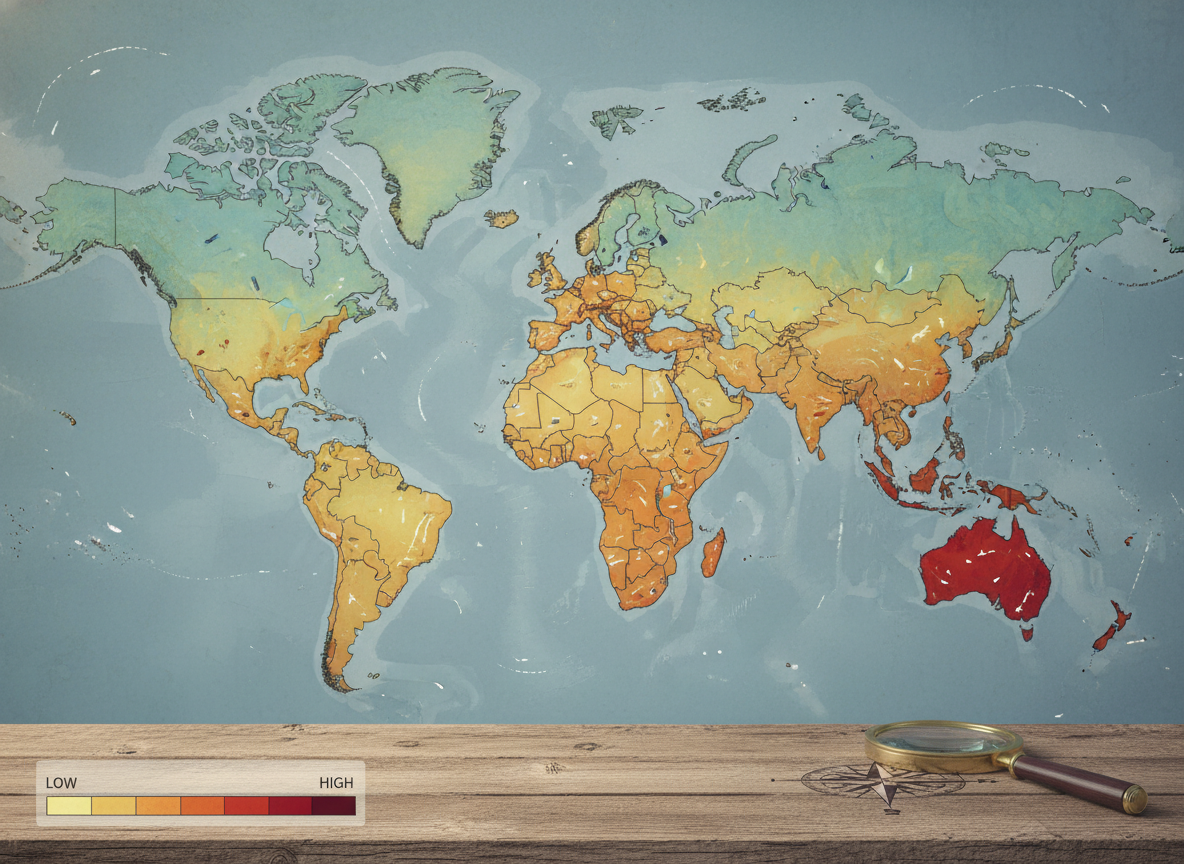
Understanding where CDV flourishes helps focus vaccination programs and disease control strategies. This knowledge could prevent unnecessary losses in canine populations.
To dive deeper, CDV distribution varies based on geographic, socio-economic, and cultural factors. Regions under economic strain often struggle with comprehensive vaccination programs. Furthermore, areas with active wildlife trade carry higher infection risks.
| Aspect | Details |
|---|---|
| Low vaccination areas | Stray populations dominate and act as carriers. |
| Wildlife-rich regions | Raccoons, foxes contribute to infection cycles. |
| Developing countries | Limited resources lead to subpar immunizations. |
Which Dog Populations Are More Susceptible to CDV?
Heartbreaking discoveries emerge in identifying which groups suffer most from CDV. Vulnerable communities often lack basic health safeguards.
Unvaccinated stray dog populations are at higher risk for CDV due to regular exposure. Puppies, immune-suppressed pets, and dogs from low-economic support zones face increased susceptibility. For those wondering what is dog distemper, it is a contagious viral illness.

To contrast, pet owners who actively vaccinate tend to prevent infections successfully. Examining smaller sets like these reflects broader health implications in domestic dogs.
Detailed investigations show clear distinctions in risks among diverse groups. Beyond stray dogs, contaminated shelters with insufficient quarantine practices increase exposure. Similarly, communal facilities lacking adequate health checks endanger pets. An Animal Diagnosis Bulk Wholesaler can provide testing solutions.
| Group | Risk Factor |
|---|---|
| Strays | Unpredictable exposure, malnutrition. |
| Immunocompromised pets | Poor immunity vs aggressive viruses. |
| Sheltered communities | Compact dog shelters share high risks. |
Do Wildlife Populations Contribute to CDV Prevalence?
Silent carriers within the animal kingdom remain CDV transmission’s hidden fuel. How significant is wildlife’s role?
Wild animals like raccoons, foxes, and skunks act as reservoirs for CDV. They complicate eradication efforts with cross-species transmissions.

Wild environments act as persistent challenges—causing complications in understanding exact canine risk factors. Their interactive nature necessitates holistic prevention methods.
Specifically observed cases show wildlife migration advancing CDV locally. International border regions with wildlife reserves notably increase mutual animal interactions. Keeping protocols strong minimizes secondary disease carriers among pets too.
| Category | Key Influences |
|---|---|
| Migration zones | Expansion of species spreads the disease. |
| Habitat preservation | Distinct challenges emerge controlling CDV. |
| Urban/wild intersections | Risk overlaps in both animal environments. |
How Does Vaccination Coverage Impact the Prevalence of CDV?
Preventive choices—including immunization—directly matter weighing against heavy CDV prevalence concerns. What’s the situation in vaccinated vs unvaccinated areas?
Robust vaccination programs drastically reduce CDV cases in domestic pets. In contrast, unvaccinated populations continually fuel outbreaks. Access barriers hinder progress. For veterinarians and shelters, a CDV test kit wholesale can be a cost-effective solution for monitoring.

Vaccination programs strengthen community resistance through long-term strategies. They create highly protected areas utilizing herd immunity benefits efficiently.
Detailed vaccine disparity observations highlight prevalent inequalities. Areas near active conflict zones lag severely behind amid geopolitical instability, leaving CDV unchecked compared to smoother-functioning nations.
| Efficiency Group | Result |
|---|---|
| High coverage zones | Reduced to negligible or zero outbreaks. |
| Under-supported networks | Persistent CDV challenges stay overpowering. |
| Conflict-stricken regions | Geographic differences hurt CDV vaccines. |