
How Does the Canine Distemper Virus Reproduce
Canine distemper virus (CDV) poses a critical threat to canine health worldwide. Its ability to reproduce and spread makes it a formidable opponent. Canine distemper virus (CDV) is a highly contagious and potentially fatal disease of dogs and other carnivores such as ferrets, raccoons, skunks and foxes. CDV replicates by entering host cells via surface proteins. It uses the host's machinery to transcribe and replicate its genome, then assembles and releases new particles to infect other cells.
How does canine distemper virus enter host cells?
The canine distemper virus invades host cells through a sophisticated entry method. It uses protein-receptor interactions.
CDV attaches to specific protein receptors on the host cell membrane. This interaction facilitates the virus's entry, marking the start of its replication process.
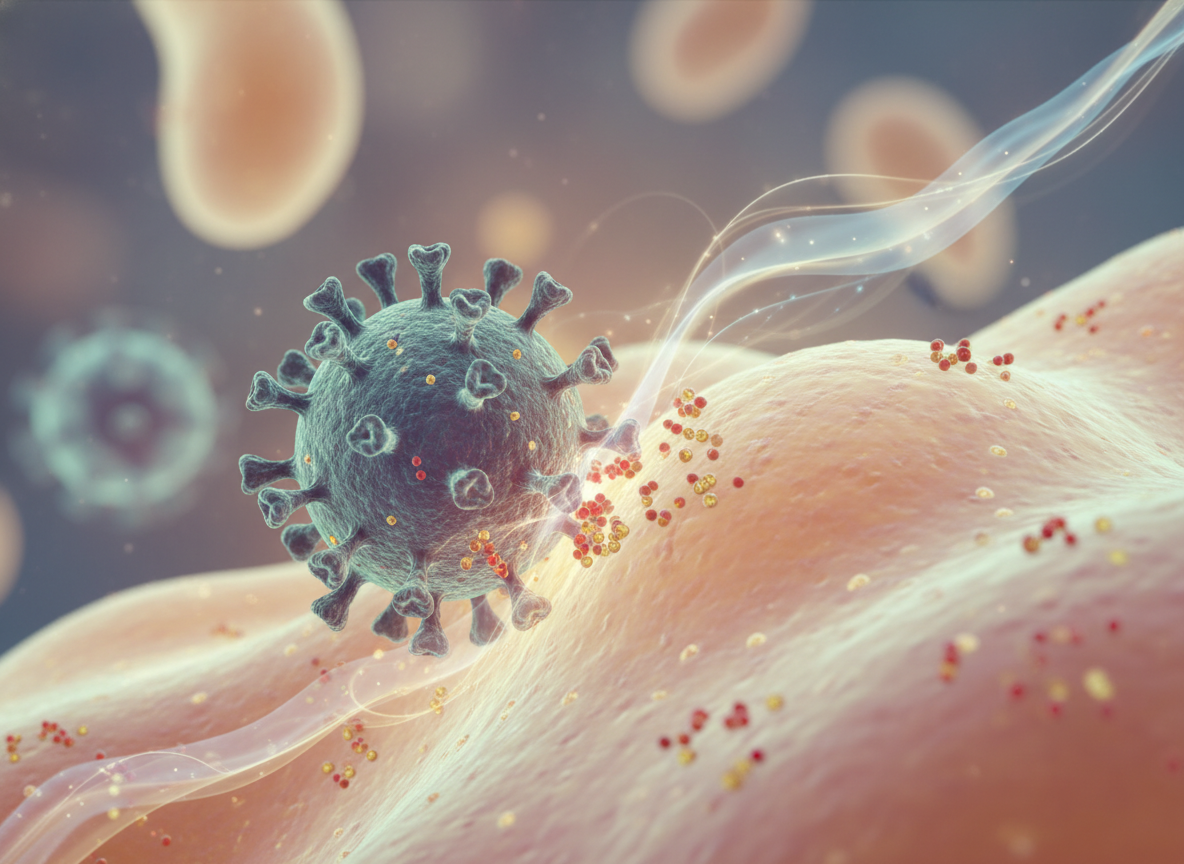
To appreciate how the virus operates, let’s look into the mechanics of this interaction.
CDV's surface proteins, particularly the hemagglutinin (H) protein, play a pivotal role. These proteins bind to the receptors on the host cell surface. Once attachment is secured, the viral envelope fuses with the cell membrane, leading to the viral genome's release into the host cell. Understanding this interaction is crucial, as it offers potential targets for therapeutic interventions. Preventing the virus from binding and entering could halt the infection at its earliest stage, protecting the host from further viral replication. For those in the veterinary field, reliable CDV animal disease test manufacturers are essential for early diagnosis.
What are the key steps in CDV replication inside the cell?
Once inside the host cell, CDV begins its replication journey. It's a carefully orchestrated process.
The virus commandeers the cell's machinery, using its own RNA polymerase to transcribe and replicate its genome, producing viral proteins for new particles.
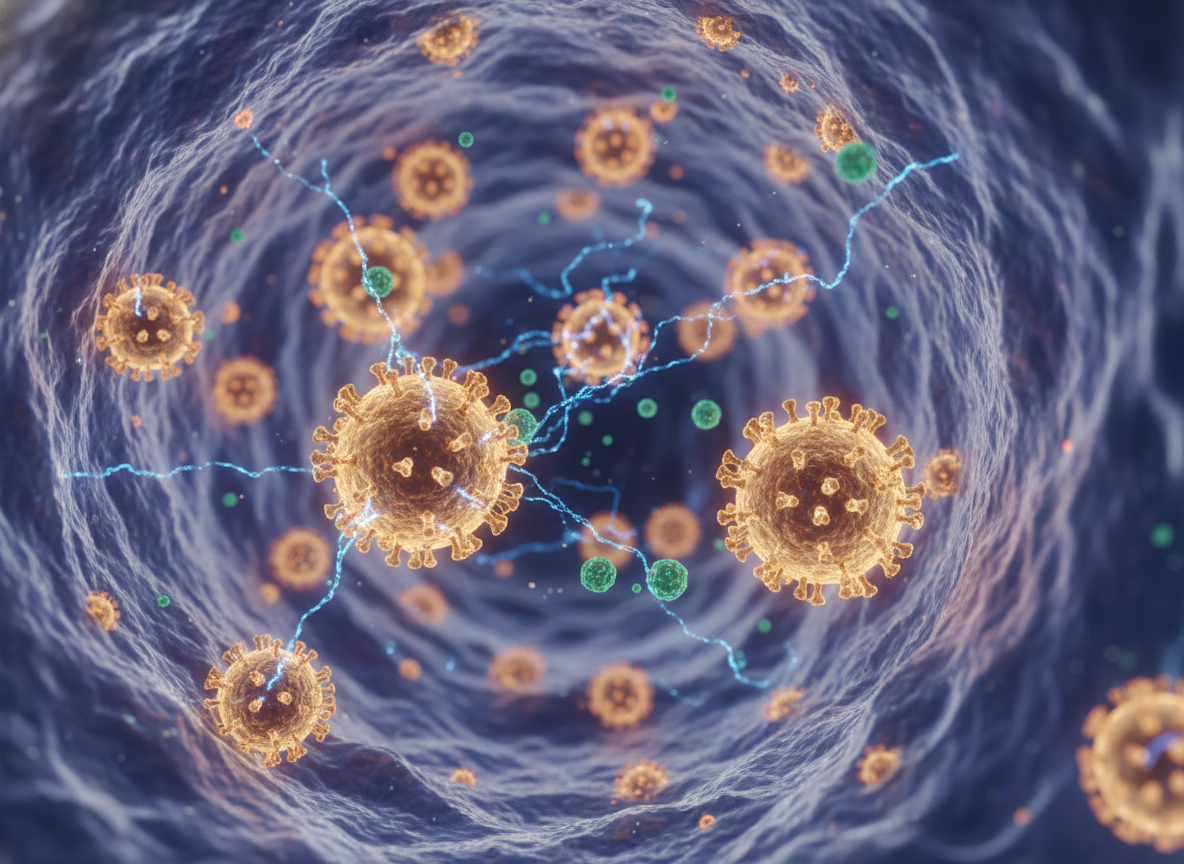
By hijacking the host cell's internal processes, CDV ensures its survival and propagation.
Once the viral RNA genome is inside the cell, it uses the host's ribosomes to synthesize viral proteins. Here's how it proceeds: first, the virus's RNA polymerase directs the synthesis of messenger RNA, which guides protein production. These proteins form the building blocks for new virus particles. Meanwhile, the viral RNA is replicated to serve as the genetic material for offspring viruses. This assembly occurs in the cytoplasm, a bustling viral factory. These insights into replication unveil possible antiviral targets, such as inhibiting specific stages like RNA transcription or protein synthesis. Accurate testing for distemper in dogs is vital for managing outbreaks.
How are newly formed CDV particles released from the cell?
After replicating, newly formed virus particles must escape the host cell to continue the infection cycle. This release is crucial for infection spread.
CDV particles exit the host cell through a process known as budding, where they acquire a portion of the cell membrane as their envelope.
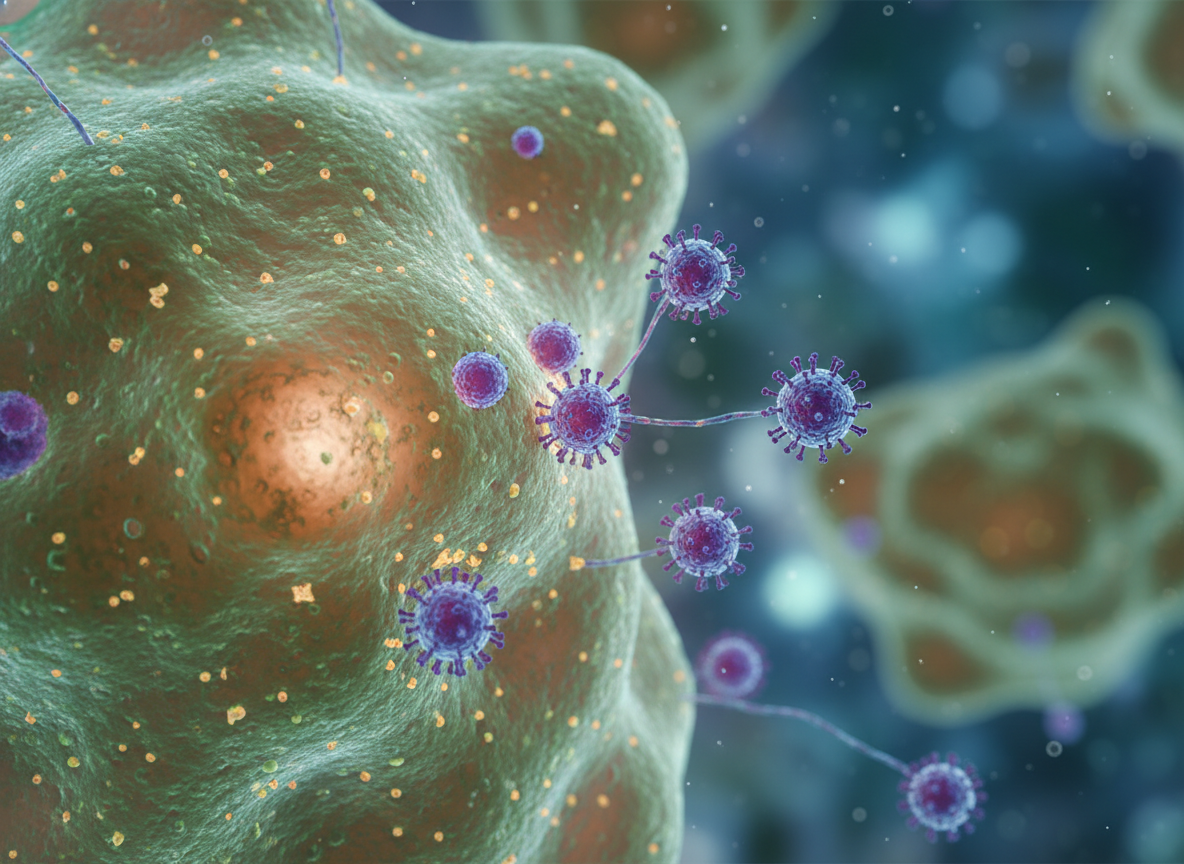
Understanding the release mechanism is essential to curbing viral dissemination.
During budding, CDV particles accumulate at the cell's surface, harnessing the host’s cellular components for proper maturation. The process allows the virus to leave without immediate destruction of the host cell, which can continue producing viral progeny. As these particles bud off, they are equipped with viral proteins necessary for subsequent infections. Researchers target this phase for potential interventions; blocking viral enzymes that assist in budding could effectively prevent the virus from spreading. Containment of the viral spread limits the infection's reach, offering a viable strategy in combating CDV.
Why is studying CDV replication important for disease control?
CDV's ability to hijack and destroy cells underscores the need for diligent research. Fighting this virus requires strategic efforts.
Studying CDV replication provides insights for creating effective antiviral therapies and vaccines, essential tools in combating the spread of disease.
These efforts aim to mitigate the virus's impact on animal health worldwide.
Research into CDV's replication cycle illuminates potential intervention points. By targeting specific replication phases—such as attachment, entry, or release—researchers devise treatments that hinder these processes. Vaccines prepare the immune system, providing a defense line to recognize and neutralize the virus. Antiviral drugs could impede viral functions, curbing infection spread. The knowledge gained from studying CDV is crucial, as it not only improves current treatment approaches but also paves the way for innovative solutions in virus control and prevention. A reliable Pet Diagnosis Wholesaler can be a key partner in these efforts.
結論
Understanding CDV replication is pivotal in devising effective measures for disease prevention and control, aiding the battle against this formidable viral foe.
References


