
Canine distemper virus poses significant health challenges, spreading rapidly among dogs, threatening their well-being. Its impacts on canine health can be devastating, especially for unvaccinated dogs, due to the virus’s contagious nature.
Canine distemper virus (CDV) is an RNA virus that affects dogs mainly through the respiratory and nervous systems. It has a high fatality rate if proper preventive measures, such as vaccination, are not implemented.
What Type of Virus is Canine Distemper Virus?
The nature of CDV is alarming due to its high contagion level and health implications. Understanding its classification can enhance the approaches used to tackle this threat effectively.
Canine distemper virus belongs to the genus Morbillivirus within the Paramyxoviridae family. This RNA virus significantly impacts infected dogs by challenging key bodily systems, necessitating urgent preventive action.
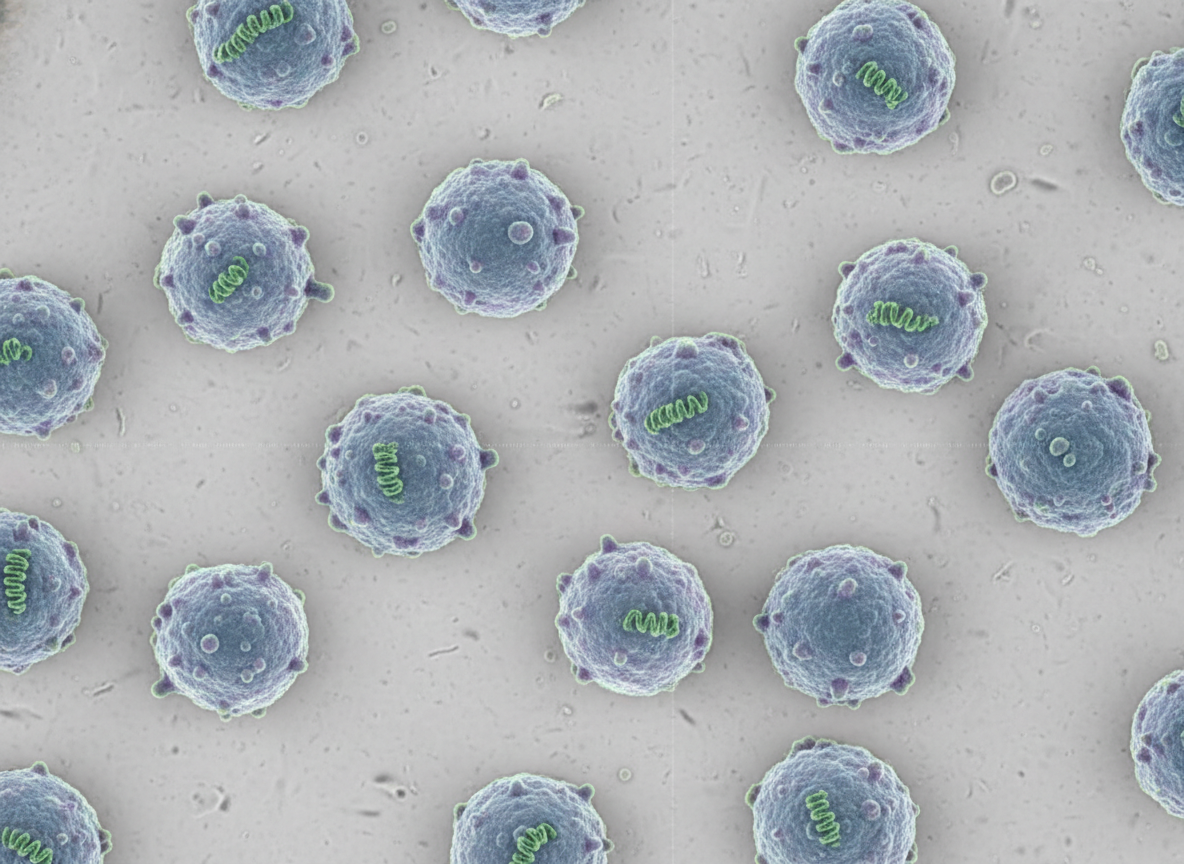
When facing CDV, it’s crucial to acknowledge its pathogenic capacity. Within the broad family of Paramyxoviridae, Morbillivirus targets dogs’ internal systems, laying the foundation for comprehensive preventative strategies against distemper. By dissecting its RNA nature, canine distemper necessitates a vigorous preventive stance. Considering its genomic makeup, research delves into how distemper’s RNA confines its pathogenic effects. The virus prioritizes respiratory systems, demonstrating genetic swiftness, leading veterinary science to innovate protective measures including high-impact vaccines. Understanding its viral mechanics allows strategists to test pathways that neutralize health threats.
What Major Effects Does Canine Distemper Virus Have on Dogs?
Distemper’s impact on canine health is profound, disrupting vital functions and challenging veterinarians worldwide. Assessing these effects aids in combating future infections.
Canine distemper primarily affects dogs’ respiratory, gastrointestinal, and nervous systems. The virus can lead to severe complications, including respiratory distress, seizures, and in extreme cases, death if not managed effectively. These signs of distemper in dogs require immediate veterinary attention.
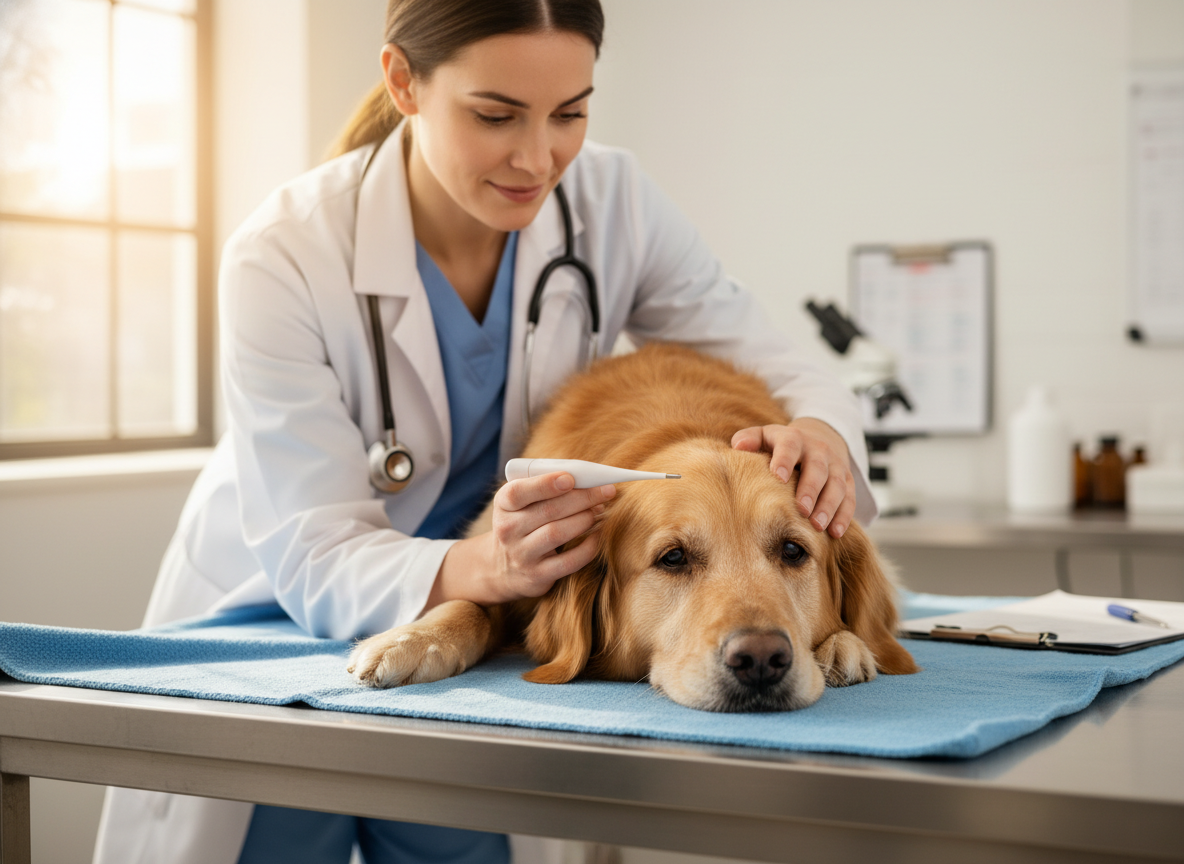
Efforts to characterize CDV’s impact reveal widespread system disruptions. Specifically, distemper confines itself to respiratory, gastrointestinal, and nervous systems, demanding keen diagnostic intuition and prompt cdv testing. In its symptomatic rampage, distemper subjugates dogs to respiratory distress and compromises neurological health with seizures. Veterinarians worldwide engage with distemper’s disruptive intents daily. Guarding against CDV involves comprehensive symptom alignment to navigate around lethal scenarios. Within the diagnostic chain, practitioners anchor safety nets to prevent or mitigate seizures, ensuring their clinical strategies are robust against distemper’s multi-system assault. Enhancements in intervention shed light on protective techniques, making a real-world difference.
How is Canine Distemper Virus Transmitted?
Transmission understanding is crucial as distemper spreads easily among the canine population. Knowing pathways helps improve control measures.
Canine distemper virus spreads via airborne droplets and direct contact. Infected dogs may transmit the virus through sneezes, coughs, or even sharing water bowls, raising the need for responsible pet practices.

Transmission dynamics predictably elevate risk within canine communities. CDV capitalizes on close contact scenarios and airborne potential. Among its notable features, distemper thrives on human-dog interactions, embedding risk in social spaces. Paths for viral dissemination streamline through sneezing dogs or communal water bowls. Illness permeates when guardians ignore responsible pet practices. Understanding distemper’s transmission empowers communities to adopt preventive vigilance. So, optimizing safety involves stricter interaction oversight, minimizing casual transmissions. Safeguarding solutions rise from concerted mindsets where distancing, habits, and bolstered capture frameworks counterbalance contagion.
Why is Vaccination the Key Measure to Prevent Canine Distemper?
Vaccination holds essential preventive authority against CDV’s rampant circulation. Emphasizing vaccination amplifies protective metrics and highlights optimal disease mitigation pathways, as outlined in official vaccination guidelines.
Vaccines act as primary shields against distemper, significantly reducing infection rates. With regular vaccinations, dogs build immunity that combats the virus effectively, protecting them and the broader canine population from outbreaks.
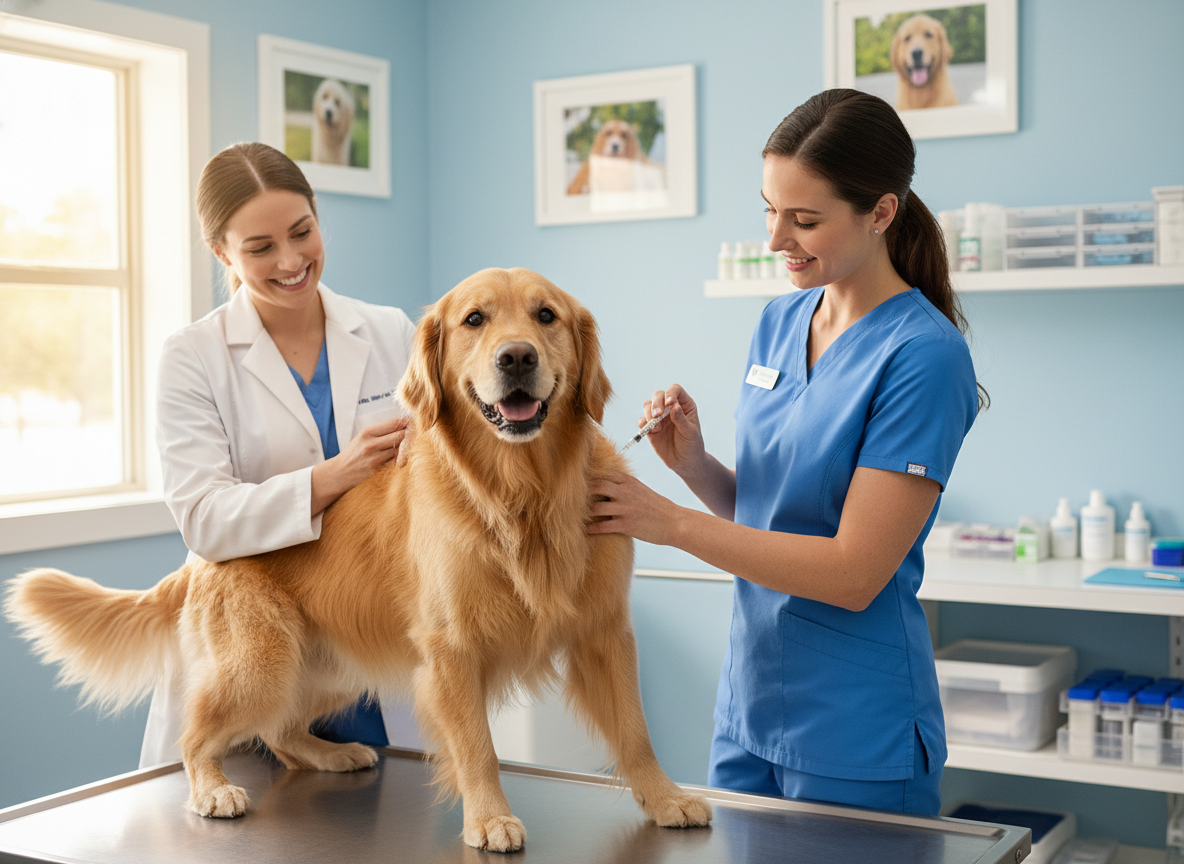
Vaccination acts as a strategic pillar blocking distemper’s advance. Its preventive stance creates robust immune frameworks among dogs, forming the first line of defense. When communities adopt national vaccination drives, virus circulation maneuvers undergo systemic destabilization. Segmenting canine health priorities boosts the commission of vaccination campaigns, often supported by a Veterinary Lab Diagnosis Wholesale Distributor. Vaccines establish preemptive immunity and counteract CDV’s core attacks, efficiently slashing vectors and stymieing epidemic-level exposure. Enhancements shape multi-tier protection strategies, synchronizing with disease management channels, underlining how strategic vaccine profiles mold tomorrow’s defense network.
Conclusion
Canine distemper virus significantly impacts dog health through rapid spread and severe complications. Understanding its nature, transmission, effects, and preventive measures, like vaccination, is crucial for effective control.