
What is Parvo?
Parvo is a highly contagious disease threatening puppies and unvaccinated dogs. It attacks the gut and immune cells causing severe symptoms that can be fatal if untreated. Recognizing the signs and acting fast is crucial. Vaccination and sanitation are key to combating this viral enemy effectively.
What Exactly is Parvovirus?
Parvovirus is a stealthy, viral invader that can cause chaos in a dog’s health. It targets young dogs, often spreading rapidly. Parvovirus, often shortening to parvo, is a viral disease mainly affecting dogs. It leads to severe gastroenteritis with symptoms such as vomiting, diarrhea, and lethargy.
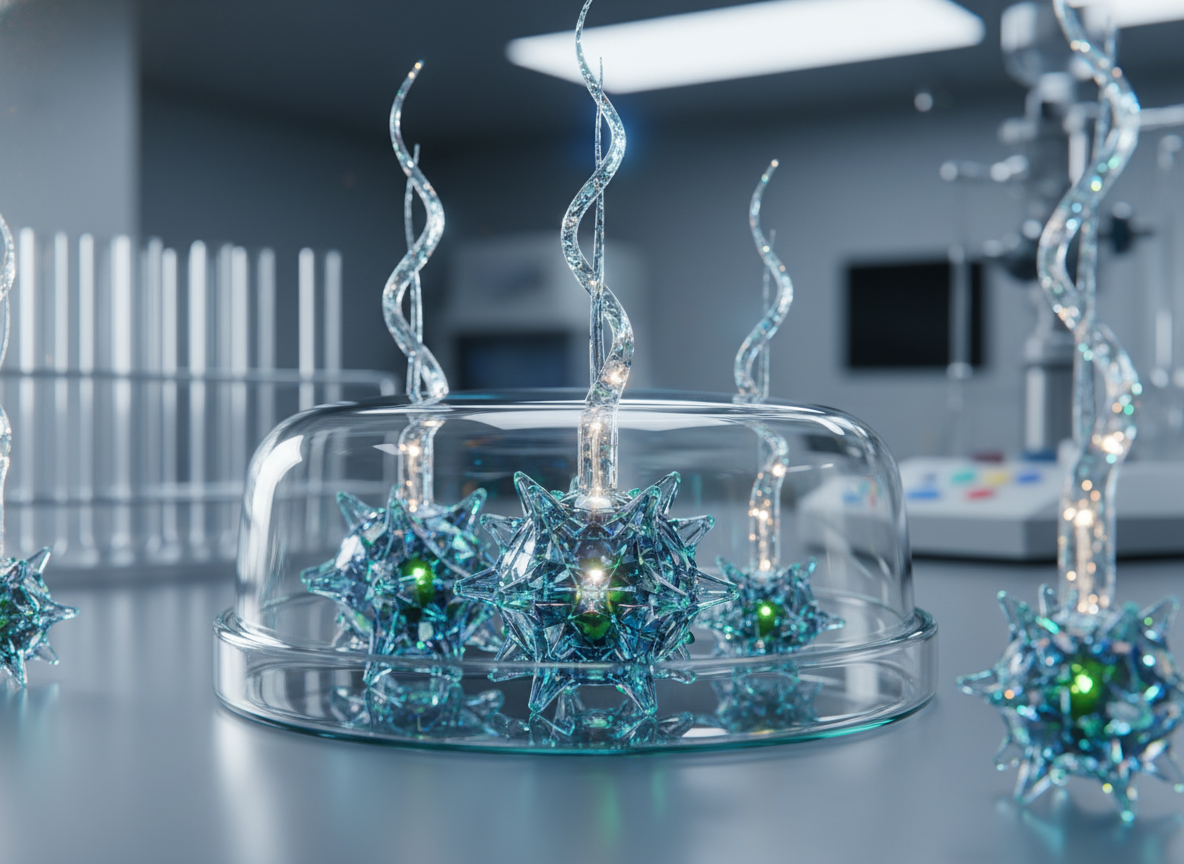
Understanding this virus helps owners better prepare for its challenges. When you can identify the signs early, you can take proactive measures. A rapid test for parvo can provide a quick diagnosis. Breaking down the virus, it primarily affects the small intestine lining and bone marrow, leading to destruction of rapidly dividing cells. This causes intense digestive distress. An encounter with parvovirus requires quick action as the incubation period is short, and symptoms emerge rapidly. Being informed about its characteristics aids in taking preventive steps, such as vaccination.
How Does Parvovirus Affect a Dog’s Body?
Parvovirus attacks the dog's gut with brutal efficiency, bringing havoc to the digestive tract. It challenges owner's vigilance. The virus severely influences a dog's immune and digestive systems. Quickly following infection, symptoms such as vomiting, diarrhea, and appetite loss appear.
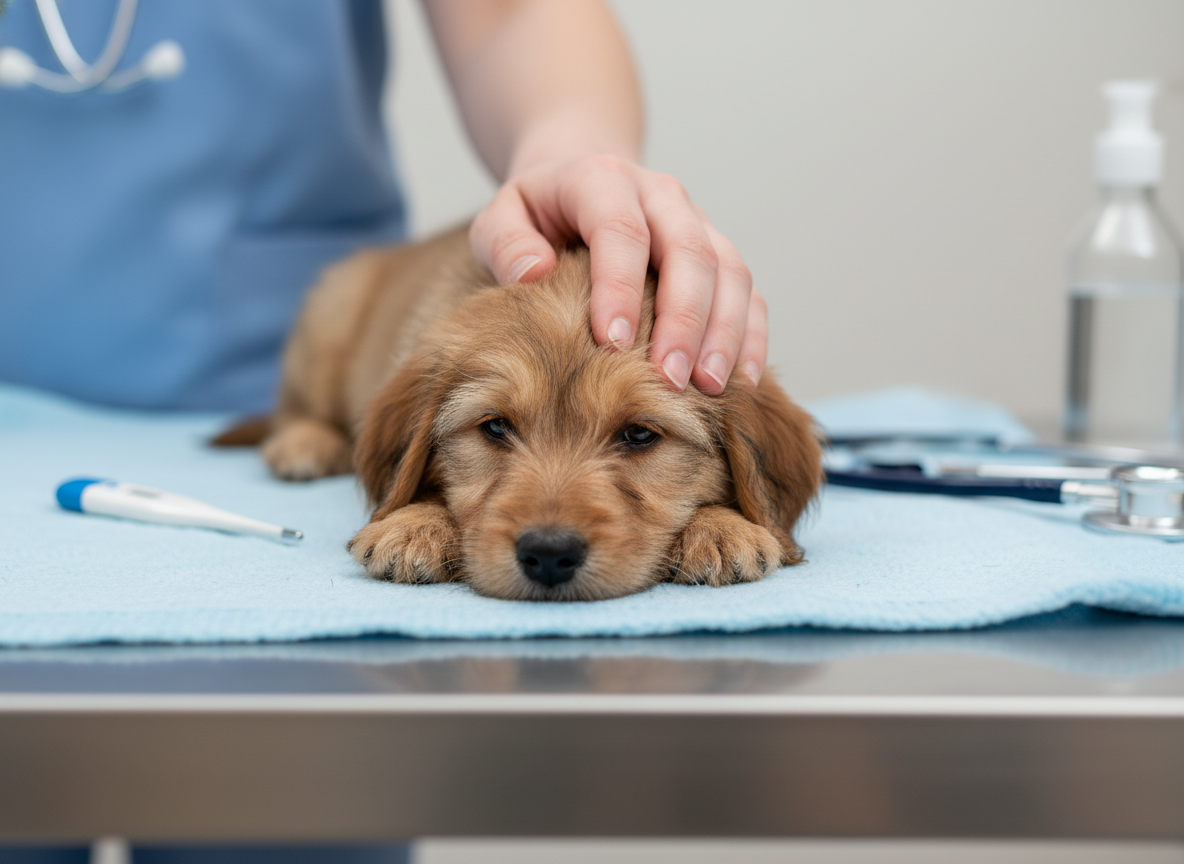
Witnessing the rapid decline in affected dogs pushes owners to act promptly. Fast action is crucial to alleviating symptoms. As a leading Pet Medical Diagnosis Supplier, we emphasize the importance of early detection. The virus is ruthless, compromising the dog’s ability to absorb nutrients and fight infections. The intense vomiting and diarrhea lead to severe dehydration and electrolyte imbalances, weakening the animal further. The virus also lowers white blood cell count, diminishing the dog’s immune response. Understanding this allows owners to seek veterinary help swiftly, ensuring aggressive fluid therapy and supportive care that are vital to recovery.
Why is Parvovirus So Deadly in Dogs?
Parvo rapidly deteriorates a dog's health, causing serious harm. Left unchecked, its impact is frequently lethal to puppies and weaker dogs. The parvovirus mortality rate is alarmingly high without prompt treatment, especially in puppies. Its destructive path through the digestive and immune systems can be relentless.
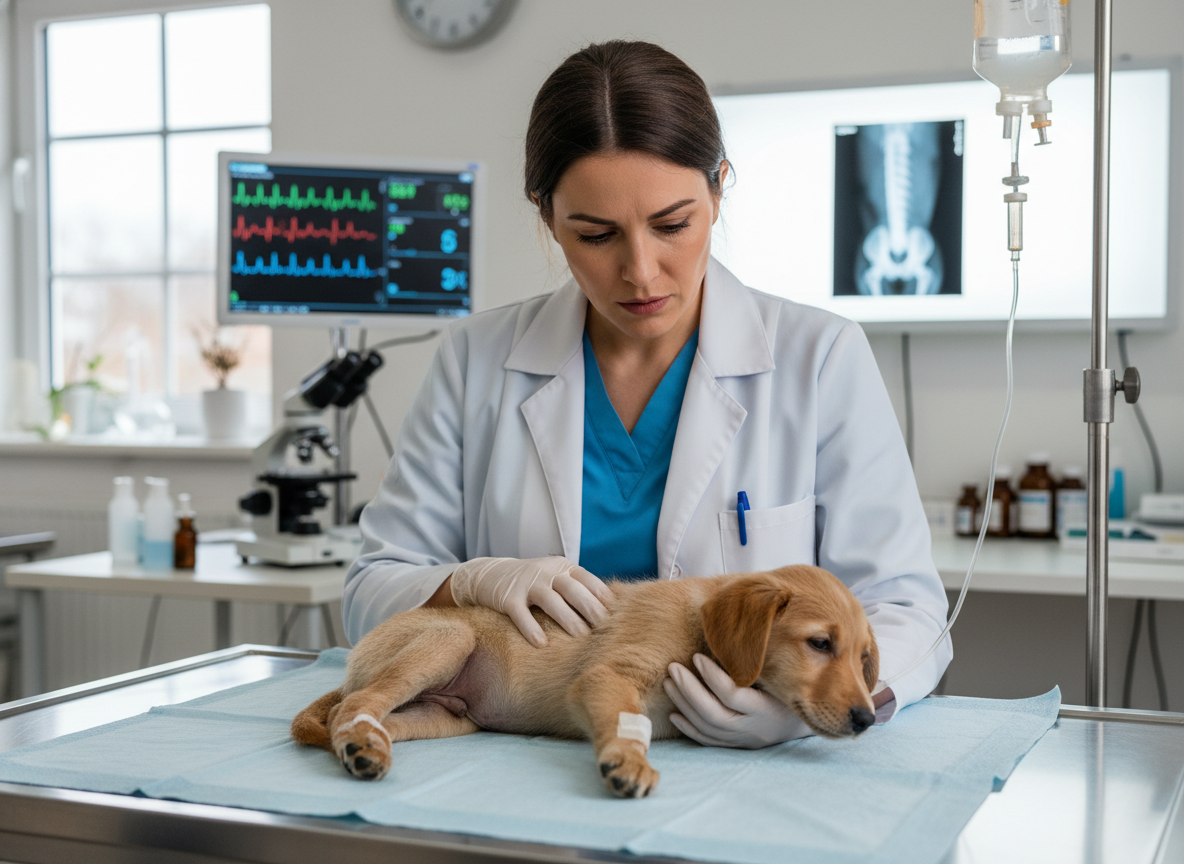
This harsh reality of parvo stresses the importance of fast intervention and proactive behavior. Prevention is better than healing. The virus's lethal aspect lies in its rapid systemic impact. As it leads to severe dehydration and secondary infections from a weakened immune system, the dog can succumb to shock despite aggressive treatment. Young, unvaccinated dogs face the highest risk due to immature immune responses. Knowledge of these traits guides owners toward timely veterinary intervention and prevention through vaccination.
How Can Pet Owners Effectively Prevent Parvovirus?
Pet owners must prioritize parvo prevention, focusing on vaccines and proper hygiene. Act before this virus strikes to secure dog health. ワクチン接種 is the most effective defense against parvovirus in dogs, followed by cleanliness strategies to minimize exposure risks. Explore our range of Pet Medical Diagnosis products to stay prepared.

This emphasizes proactive steps rather than reactive treatments. It's a call for responsible pet ownership. The key preventive measure against parvovirus is regular vaccination. Start puppy vaccinations early, with booster shots following veterinarian schedules. Maintaining a clean environment by disinfecting areas where dogs roam can help reduce exposure. Limit puppy exposure to high-risk areas until they're fully vaccinated. Understand parvo's transmission routes to reduce risks and encapsulate the dog's health, ensuring general vigilance.
結論
Stay aware of parvovirus to protect your dog’s health. Prioritize prevention through vaccines and hygiene practices. Early interventions save lives.
References
- Canine Parvovirus - American Veterinary Medical Association
- Canine Parvovirus - Cornell University College of Veterinary Medicine
- Canine Parvovirus - UC Davis Veterinary Medicine


