How Do Raccoons Get Canine Distemper Virus
Canine distemper virus (CDV) poses a serious threat to raccoon populations, especially in urban areas where exposure risks are heightened. If unchecked, outbreaks can affect broader ecosystems.
Raccoons acquire CDV through airborne droplets, contact with infected animals, or contaminated environments. It spreads rapidly via the respiratory and lymphatic systems, leading to systemic damage.
What Are the Common Ways Raccoons Get Infected with CDV?
Raccoons encounter countless interactions in their environments that make them susceptible to canine distemper virus. This silent threat often takes hold unnoticed.
Raccoons get CDV through airborne droplets, direct contact with infected animals, and exposure to contaminated surfaces. Each interaction raises potential exposure risks in shared domains. Early detection through a cdv test for distemper can help manage the spread. Recognizing distemper symptoms is also crucial for prompt action.
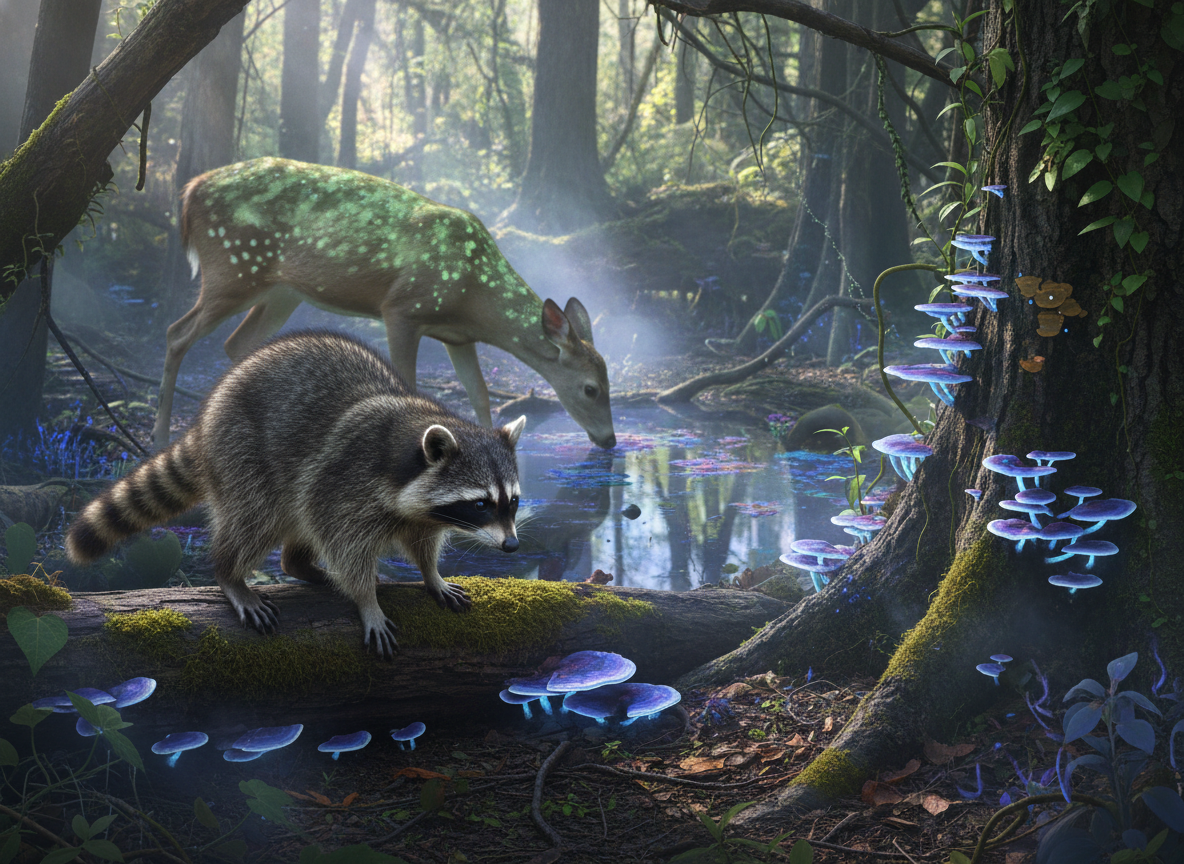
Exploring how raccoons contract canine distemper reveals key pathways of infection. Urban areas often merge wildlife habitats, increasing contact with infected animals or surfaces left contaminated by humans or pets.
Diving deeper into common transmission causes, we recognize that CDV primarily spreads via bodily fluids. Both direct and indirect exposures occur frequently in raccoons due to scavenging, social behaviors, and habitat disruptions. Understanding these routes improves preventive measures. Here’s how CDV transmission primarily occurs among raccoons:
| CDV Transmission Route | Description |
|---|---|
| Airborne Droplets | Inhaled from proximity to infected animals. |
| Direct Contact | Physical reserves touched: nests & fur. |
| Environmental Contaminants | Viral particles left on surfaces or prey. |
Apprehending these ways aids in targeted prevention strategies, ensuring better control over recurring outbreaks. Research into wildlife vaccination programs is ongoing to create a safety net against the spread of the virus.
Do Raccoon Behaviors Increase Their Risk of CDV Exposure?
Raccoons’ natural behaviors, such as their curiosity and social tendencies, can unfortunately increase their risk of CDV exposure. Their propensity to live in close-knit family groups facilitates the rapid spread of the virus. Additionally, their scavenging habits in urban and suburban environments bring them into frequent contact with garbage cans, compost piles, and other areas where infected animals may have left behind contaminated saliva, urine, or feces. The sharing of food and water sources with other raccoons and even other wildlife species further elevates the transmission risk.
For more information on animal health and diagnostics, visit an Animal Disease Diagnosis Solution Manufacturer.
References
- New York State Department of Environmental Conservation: Distemper in Raccoons
- University of Pennsylvania School of Veterinary Medicine: Canine Distemper
- USGS: Wildlife Diseases