
Curious about the canine distemper virus’s replication process? It doesn’t follow the typical lytic path. Unlike common lytic reproduction, the canine distemper virus employs a non-lytic method, entering host cells via membrane fusion, replicating internally, and exiting through budding.
Does Canine Distemper Virus Use Lytic or Non-Lytic Reproduction?
Intrigued by how viruses reproduce? The canine distemper virus (CDV) takes a novel approach that might surprise you. CDV avoids the classic lytic pathway. Instead, it opts for a non-lytic cycle, bypassing cell destruction. This strategy enhances its persistence in the host and facilitates widespread infection. Testing for the virus is crucial, and professionals can source tools like the dog distemper antigen test.

Recognizing the variance between lytic and non-lytic reproduction is essential, especially in virology studies. Non-lytic reproduction allows viruses to coexist and propagate without devastating host cells immediately. Instead of destroying host cells, viruses like the CDV integrate and persist, leading to a prolonged infection with cascading effects, notably on the immune function.
How Does CDV Enter and Infect Host Cells?
Wondering how CDV breaches cellular defenses? Its approach is both fascinating and efficient. Canine distemper virus penetrates host cells through membrane fusion. It connects with receptors on the cell surface, merging its outer membrane with the host’s, facilitating viral entry.
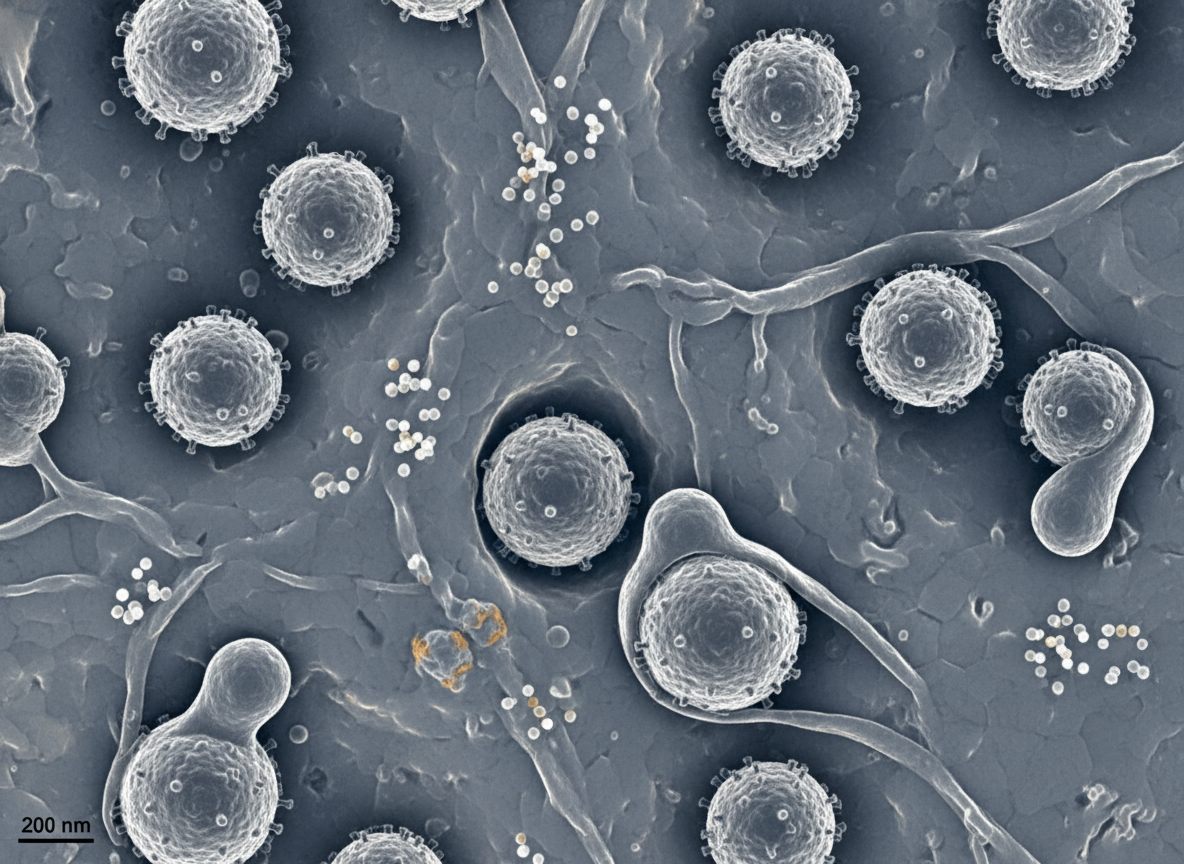
Understanding a virus’s entry mechanism is crucial for prevention. CDV capitalizes on specific proteins to affix and invade host cells, hinting at potential intervention points. Tailoring entry-blocking strategies could significantly deter its progression, guiding effective vaccine and drug developments.
By What Mechanism Does CDV Exit Host Cells?
Curious about CDV’s exit strategy from cells? Its approach ensures its survival and future infections. CDV employs budding to leave host cells. Rather than causing cell death, it gathers at the membrane, budding off to continue infection without immediate destruction.
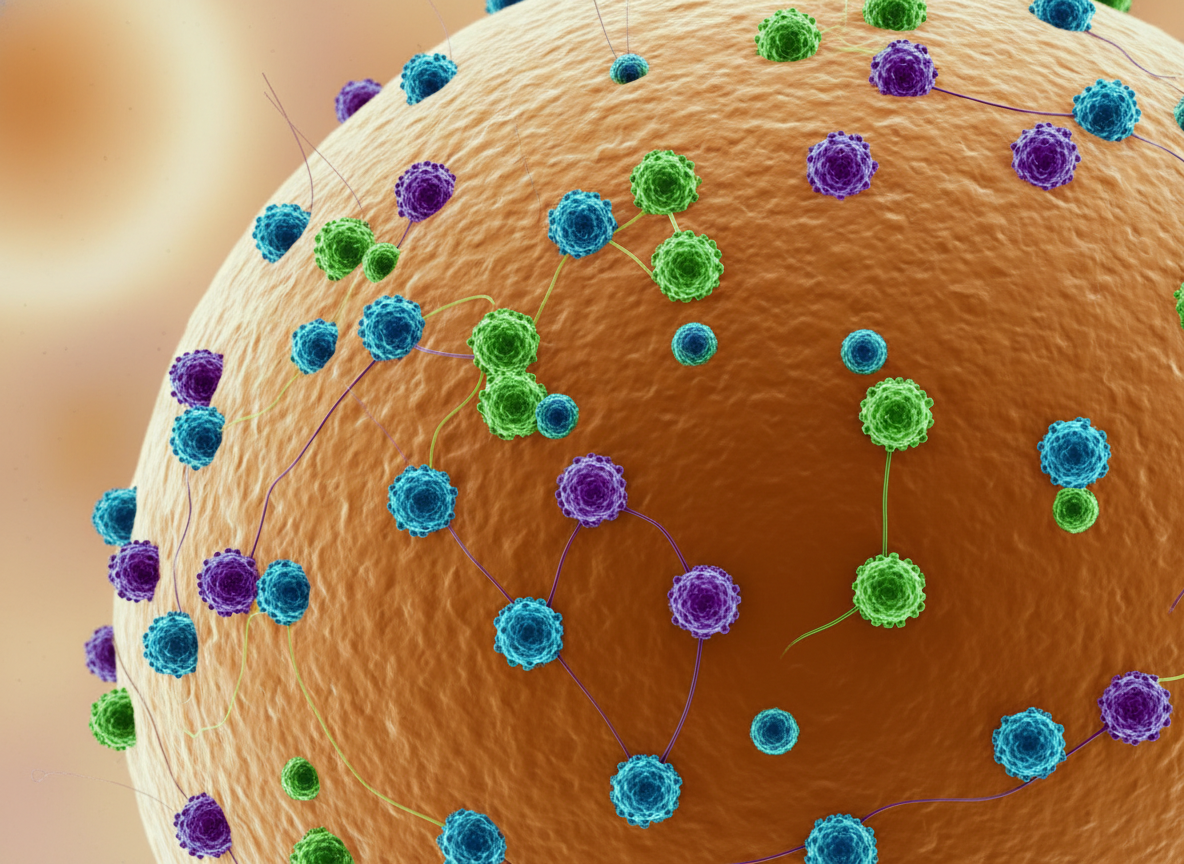
The budding mechanism allows viruses like CDV to evade immune responses. Because the host cell remains mostly intact, immune systems can be slower to detect and respond, prolonging the virus’s presence and effect. This stealthy exit underscores the complexity of viral control in affected hosts, driving research towards innovative therapeutic strategies.
Why Is Studying CDV Replication Important for Prevention and Control?
Concerned about virus outbreaks? Comprehending viral replication holds the key to effective control. Understanding CDV replication is pivotal for devising protective measures. By studying its strategies, we can thwart transmission, safeguard animals, and develop vaccines. Quick diagnosis is part of this strategy, and a reliable cdv test kit wholesaler is essential for veterinary clinics.

Decoding replication pathways offers insights into potential vulnerabilities. With this knowledge, tailored strategies can be implemented to diminish CDV’s impact. This comprehension aids in the creation of vaccines and treatments specific to viral spread prevention. Fostering collaborations between scientists, research institutions, and veterinary professionals, who can be supplied by a Veterinary Clinical Diagnosis Specialty Wholesaler, accelerates our progress in curbing CDV.
Conclusion
Understanding CDV’s non-lytic cycle, entry, and exit aids prevention, offering pathways for vaccine development and treatment innovations.
References
- Canine Distemper – Cornell University College of Veterinary Medicine
- Canine Distemper – Merck Veterinary Manual
- Canine Distemper – American Veterinary Medical Association (AVMA)