
Canine distemper can spread quickly, threatening the lives of our beloved pets. Understanding the virus behind this disease is crucial for effective prevention and care. The causative agent of canine distemper is the Canine Distemper Virus (CDV), which belongs to the Paramyxoviridae family, specifically the genus Morbillivirus.
What type of virus is canine distemper virus classified as?
Delving into the nature of viruses can be a daunting task, especially with complex classifications. Yet, understanding them is vital. The Canine Distemper Virus (CDV) is classified within the Paramyxoviridae family, under the genus Morbillivirus. These groups include measles and rinderpest viruses, showing the severity and contagious nature.
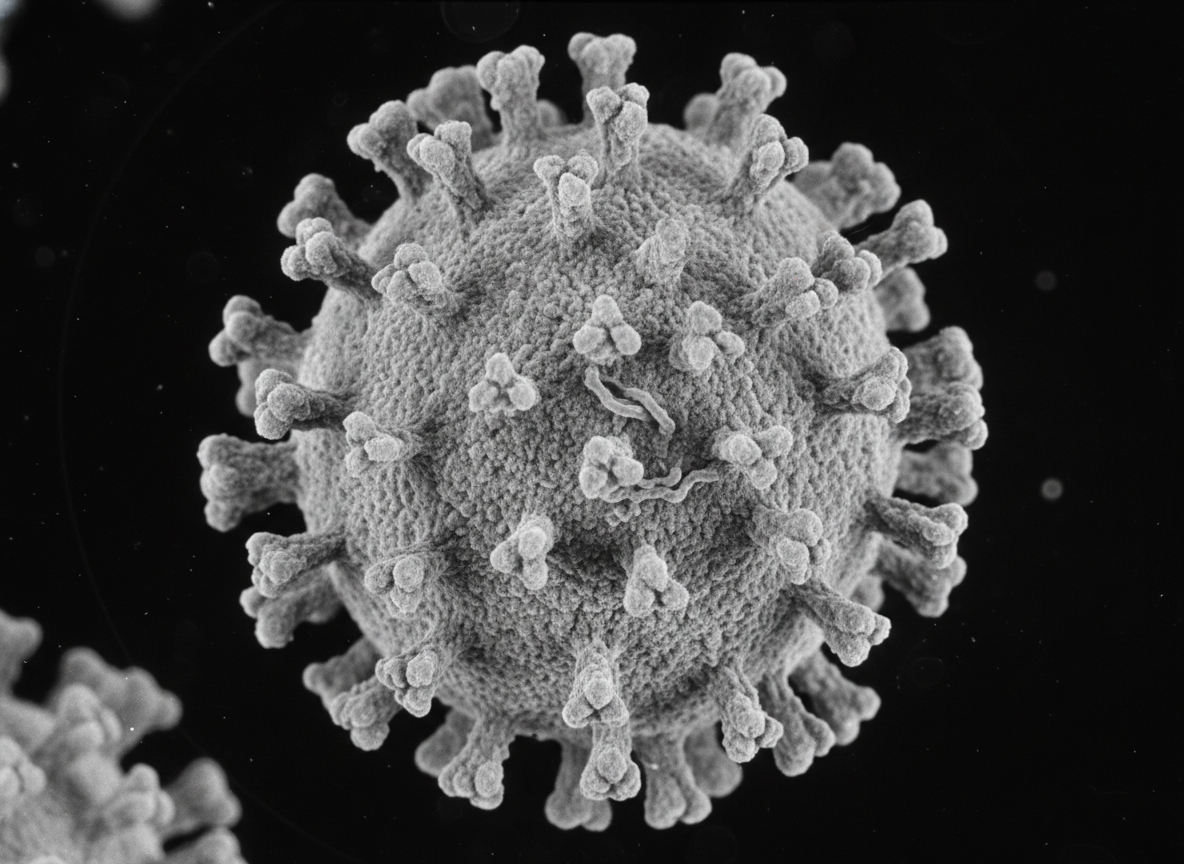
Viruses in this family target multiple body systems in their hosts, often leading to severe symptoms and, if untreated, high mortality rates. These characteristics require us to focus on prevention. CDV’s classification within this highly infectious family underscores why vaccination and immediate action can be lifesaving. For quick diagnosis, a cdv antigen test kit can be used.
How does the virus spread among dog populations?
The rapid spread of contagious diseases among dogs can surprise owners. Grasping how transmission occurs is your first line of defense. Canine distemper virus spreads mainly through aerosols, direct contact with infected animals, or contaminated surfaces. It exploits the social nature of dogs to infect populations quickly.

Dog parks and shelters can become hotspots for outbreaks due to high animal interaction. Though asymptomatic, carriers can still spread the virus. Understanding these dynamics helps in making smart choices, such as isolating infected animals and maintaining stringent hygiene protocols. Educating dog owners about these preventive measures is essential in controlling outbreaks. A reliable china cdv test kit factory can provide necessary diagnostic tools.
What are the typical clinical signs of canine distemper?
Seeing a beloved pet fall ill is distressing, especially when dealing with serious ailments like distemper. Knowing what signs to watch for can aid in quick response. Initial signs of canine distemper include fever, coughing, and lethargy, progressing to severe symptoms like vomiting, diarrhea, and neurological issues such as seizures.

Monitoring a dog’s health and addressing unusual changes promptly can be lifesaving. Catching the disease early can increase the effectiveness of treatments, improving outcomes. Regular check-ups with a veterinarian ensure that any signs don’t go unnoticed. Recognizing symptoms early provides a better chance for the effective management of the disease and can reduce suffering. For bulk testing needs, consider a veterinary diagnostic test contract manufacturer.
Why is vaccination the most effective way to prevent distemper?
Preventing distemper effectively requires proactive measures. Relying purely on reactive methods isn’t enough. 백신 접종 remains the cornerstone. Vaccination is the most reliable preventive measure against distemper, offering immunity that helps stave off this highly contagious virus.

Administering vaccines at the recommended intervals can drastically reduce distemper cases. Breaking the chain of disease starts with responsible pet ownership, ensuring all pets are vaccinated and boosters maintained. Sharing the importance of vaccination with others helps build a community shielded from outbreaks, as herd immunity is key to protecting those who can’t be vaccinated due to medical reasons.
결론
Understanding the Canine Distemper Virus (CDV) and ensuring effective prevention steps can save countless canine lives. Prioritizing vaccination remains the best defense.


