How does parvo affect dogs later in life?
Parvo’s immediate impact on a dog is severe, but its shadow can linger. Understanding parvo’s long-term effects is key. While recovery is possible, it may lead to persistent health challenges, affecting digestion, immunity, or heart health. Lifelong vigilance ensures healthier outcomes.
What long-term health problems can parvovirus cause after recovery?
Parvo is notorious for its acute phase, but recovery may not signal the end. Dogs might face chronic digestive issues or heart complications long after battling parvo. Awareness and regular check-ups are crucial to manage these potential health problems. These check-ups are a key part of Veterinary Clinical Diagnosis.

Recognizing these can ensure timely intervention. Chronic digestive sensitivity often results from the damage parvo does to the intestinal lining. Heart complications can arise if the virus impacts cardiac tissues. To mitigate these, regular health screenings are advised.
Does parvovirus weaken the dog’s immune system over time?
The acute phase of parvo is known for intense symptoms, but its toll on immunity may persist. Parvo can impair a dog’s immune system long after recovery, leaving them more vulnerable to infections. It’s vital to support their immunity through balanced nutrition and regular vet visits.
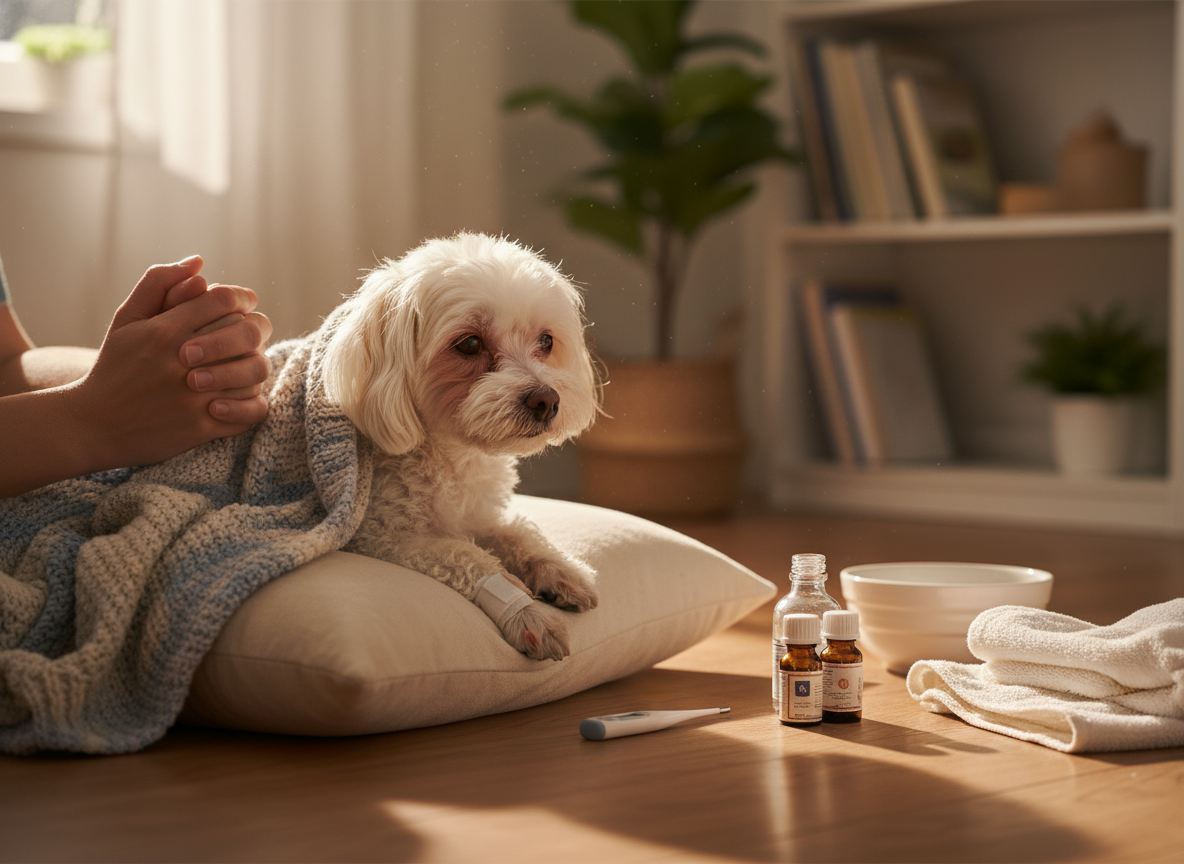
Supporting immunity with supplements or vaccines can be beneficial. A balanced diet rich in nutrients, tailored to boost immune health, is essential. Consistent veterinary care allows for early detection of any persisting weaknesses. Advancements in cpv manufacturing have improved diagnostic tools for this purpose.
How do parvovirus aftereffects appear as dogs age?
Parvo’s aftereffects, while subtle at first, can compound over time. As dogs age, those who have battled parvo may encounter more pronounced health challenges, like weakened stamina or digestive sensitivity. Being proactive in health management can alleviate these issues.

Understanding symptoms helps manage aging-related challenges. Digestive issues might manifest as intolerance to certain foods. Reduced stamina and energy require adjustments in daily activities and exercise routines. Regular veterinarian consultations can help tailor care plans to each dog’s specific needs.
What steps can pet owners take to reduce long-term risks in dogs?
Preventative care can significantly lessen long-term health risks following parvo. Pet owners should prioritize regular veterinary checks, balanced diets, and preventive measures, such as vaccinations, to protect their dogs from the lasting impacts of parvo.
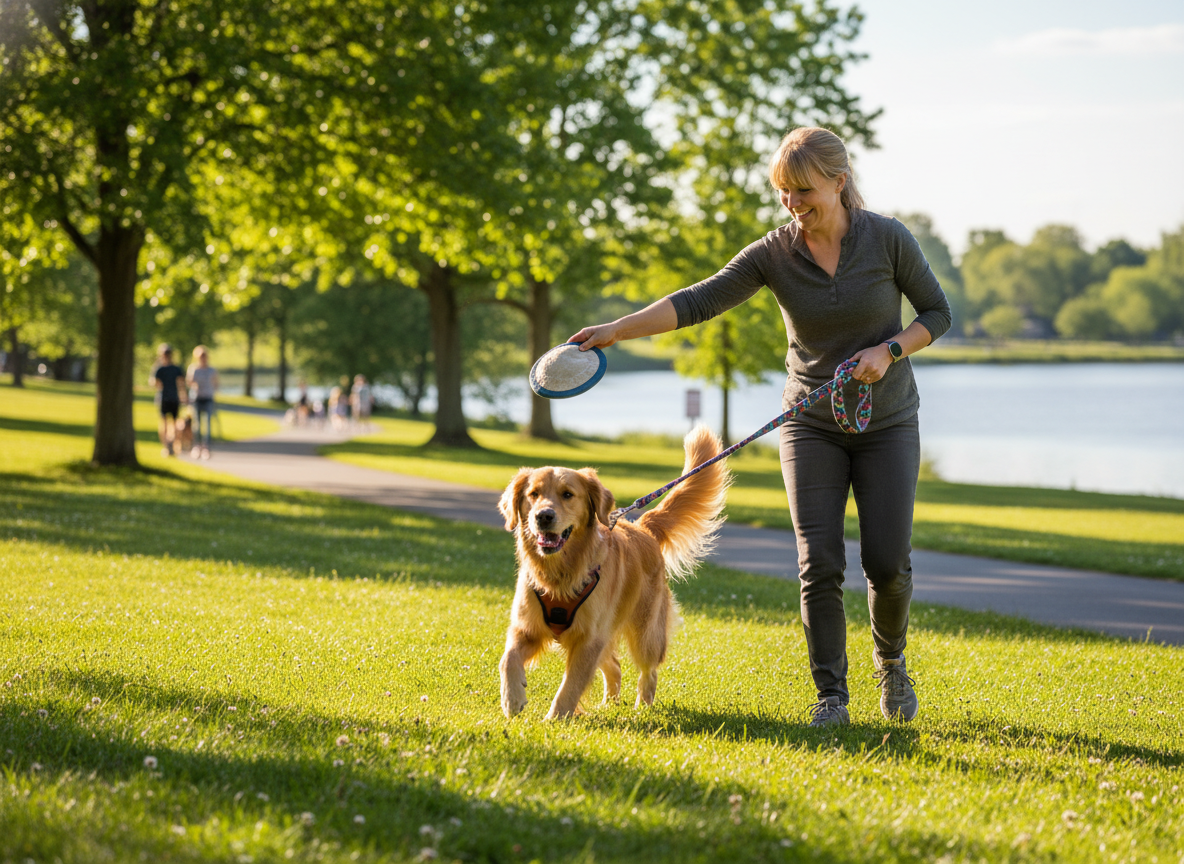
Implementing a proactive approach minimizes long-term effects. Routine health check-ups, with tools from a leading Veterinary Clinical Diagnosis Producer, can catch issues early, reducing severity later on. A diet focused on bolstering immunity and heart health is beneficial. Lastly, creating a stress-free environment and ensuring regular physical activity help build resilience.
Conclusion
Long-term vigilance and proactive care can help manage the hidden costs of parvo, ensuring healthier, happier futures for dogs.