
Faced with a собачья чума diagnosis, many feel helpless. Understanding treatments can change this narrative. Target treatment to manage symptoms for better outcomes.
Comprehensive cdv dogs treatment involves supportive care, including hydration, fever management, and antibiotics as needed, plus potentially beneficial adjunctive therapies. Combining immediate attention and thorough management improves survival chances dramatically.
What are the main clinical signs of canine distemper?
Dog owners are often unaware of subtle distemper symptoms until it’s advanced. Immediate attention is crucial.
Symptoms include fever, lethargy, eye/nasal discharge, cough, GI distress, and in severe cases, neurological signs. Recognizing these early symptoms can prompt timely intervention, improving prognosis.
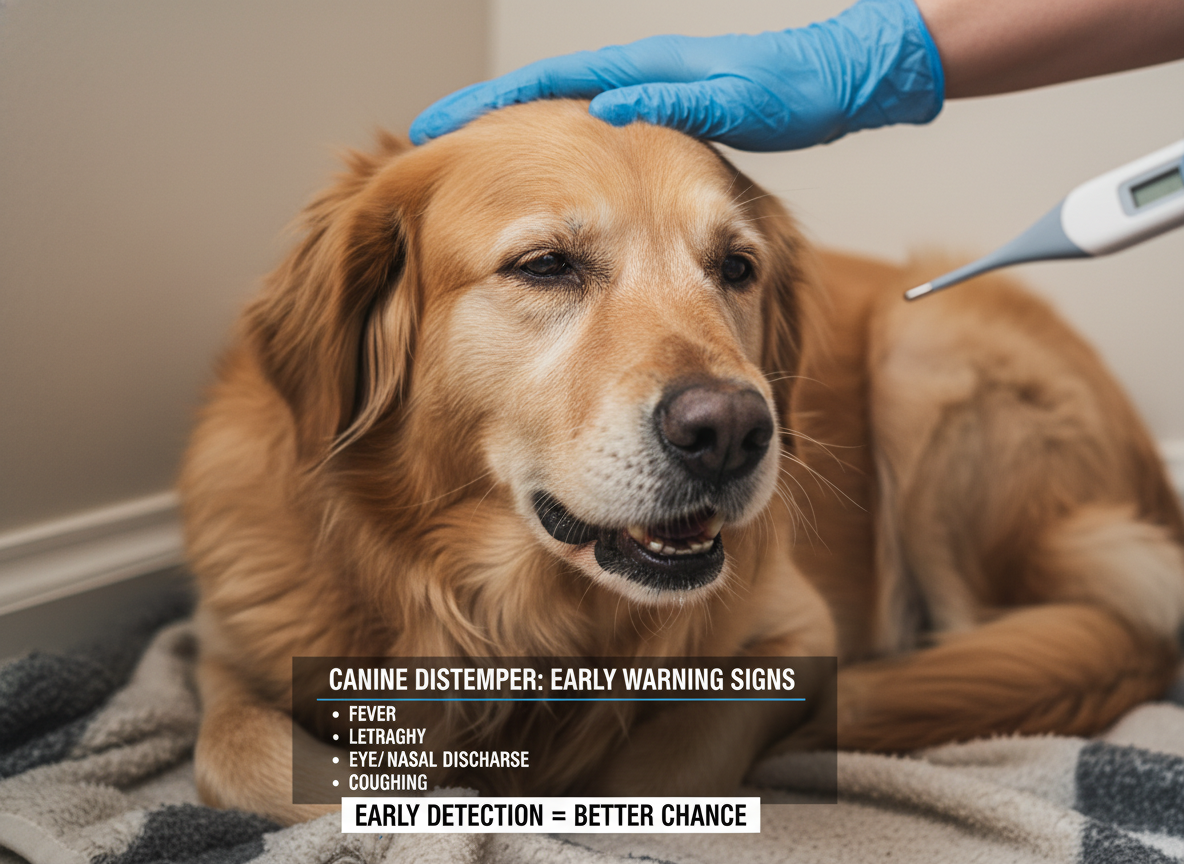
When you spot these clinical signs, visit your vet immediately. Early intervention, confirmed by a reliable diagnostic like a ce certification cdv animal disease test, can prevent progression.
Common Clinical Signs Table
| Симптом | Description |
|---|---|
| Лихорадка | Elevated body temperature |
| Летаргия | Unusual tiredness or exhaustion |
| Eye Discharge | Watery or pus-like secretion from the eyes |
| Nasal Discharge | Mucous secretion from the nose |
| Кашель | Persistent, abnormal coughs |
| Neurological | Head tilt, seizures or incoordination in advanced stages |
What supportive treatments are commonly used?
Determining the right supportive care for distemper can pose challenges. Understanding options is empowering.
Supportive treatments for canine distemper include fluid therapy to maintain hydration, nutritional support for strength, antipyretics to manage fever, antibiotics for secondary bacterial infections, and anticonvulsants if seizures occur. These create a supportive environment aiding recovery. Clinics can source necessary items from a veterinary diagnosis wholesaler.

Implementing these methods can significantly impact the course of the disease.
Supportive Treatment Table
| Лечение | Purpose |
|---|---|
| Fluid Therapy | Maintain hydration levels |
| Nutritional Support | Ensure energy and nutrient supply |
| Antipyretics | Control and reduce fever |
| Antibiotics | Prevent or treat secondary infections |
| Anticonvulsants | Manage seizures if present |
What role can adjunctive therapies play in treatment?
Beyond standard care, adjunctive therapies can enhance recovery. Explore additional options.
Adjunctive therapies may include immunomodulators and interferon therapy which aim to boost immune response, diminish the viral load, and alleviate severe symptoms, potentially reducing recovery time and improving quality of care.
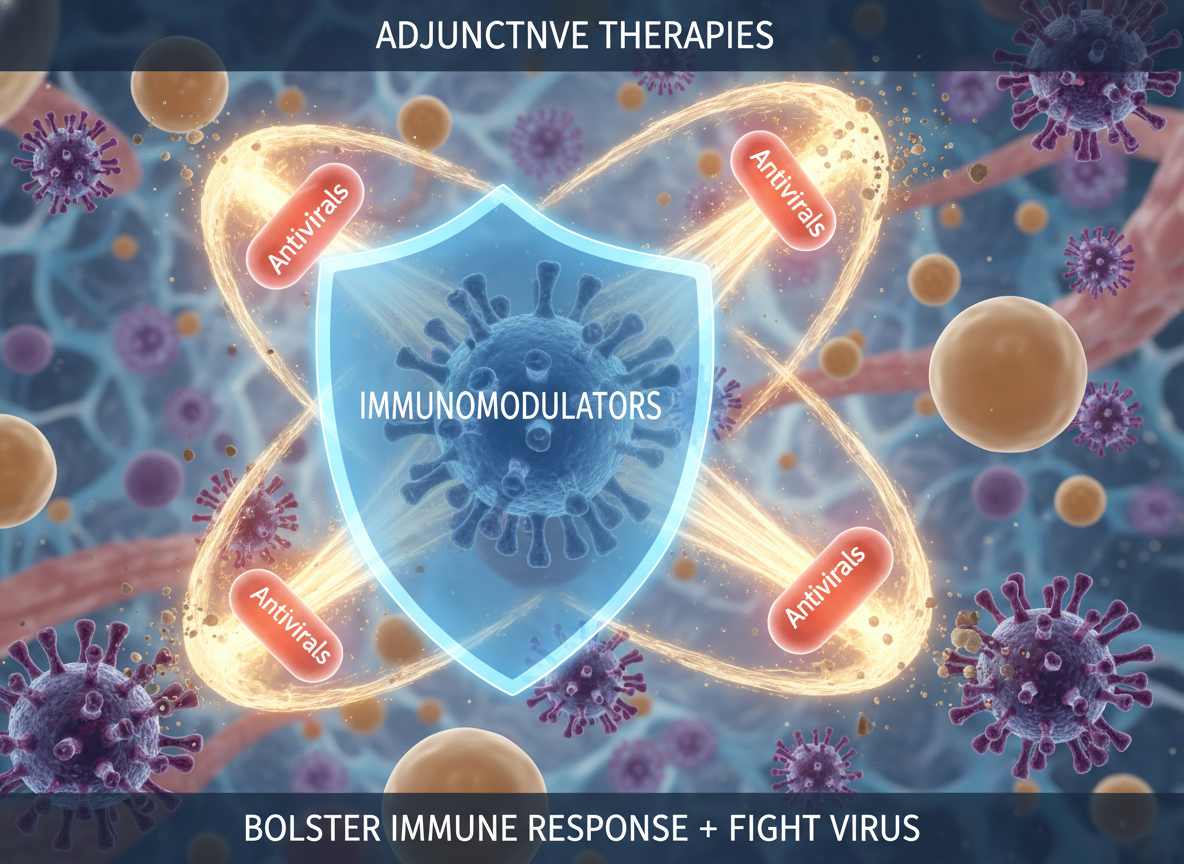
Considering these therapies can amplify standard treatments’ effectiveness.
Adjunctive Therapies Table
| Therapy | Aim |
|---|---|
| Immunomodulators | Enhance immune system’s response |
| Interferon | Suppress viral activity |
How does early intervention improve survival rates?
Prompt action upon suspecting distemper symptoms is critical but ignored. Emphasizing quick response can save lives.
Early diagnosis allows veterinary professionals to start comprehensive care immediately, increasing survival rates. Timely intervention prevents progression to severe stages, safeguarding health.
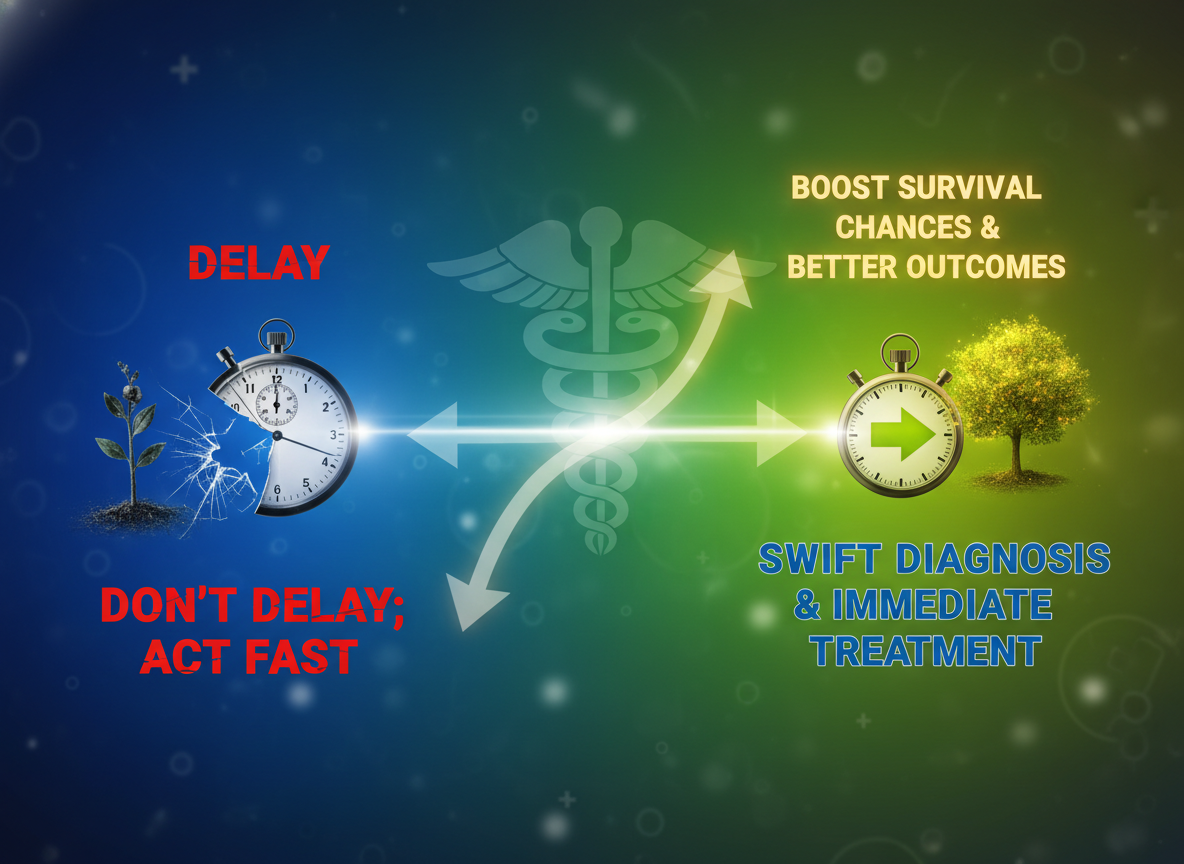
Remember, swiftness and thorough care are life-saving in canine distemper treatment.
Early Intervention Impact Table
| Действие | Выгода |
|---|---|
| Early Diagnosis | Initiate treatment promptly |
| Immediate Treatment | Prevents progression, improves outcomes |
Заключение
Combining early detection with targeted treatments significantly elevates chances of recovery from canine distemper.


