
Curious if your pet’s illness could affect you? Many pet owners worry about zoonotic diseases jumping from animals to humans. For canine дистемпер virus (CDV), there’s reassuring news: it’s not zoonotic. Canine distemper virus is related to the measles virus within the Paramyxoviridae family but remains within animal bounds. While it affects dogs and some wild animals, humans are safe, though vigilant practices are wise.
Can canine distemper virus infect humans?
Worried about catching distemper from your dog? It’s a common concern for many pet owners. Thankfully, canine distemper virus does not infect humans. Despite being in the same family as the measles virus, CDV remains bound within animal populations, particularly affecting dogs and some wild carnivores. Humans cannot contract CDV, but preventing transmission is still crucial. For humans, the main risk lies in passive transfer through contaminated clothing or environments.

It’s reassuring to know that humans are not directly at risk from CDV, though some precautions are sensible. Understanding how CDV spreads helps safeguard both pets and potential carriers. By taking basic hygiene steps, such as washing hands and disinfecting surfaces, we can minimize passive transmissions and protect our furry friends. Let’s explore which animals are most susceptible to this virus.
Which animal populations are most vulnerable to CDV?
Which animals are at highest risk of contracting CDV? Certain animal populations are more susceptible. Dogs are notably vulnerable, especially unvaccinated puppies. Wild carnivores like foxes and raccoons are also at high risk. CDV primarily targets dogs and wild carnivore populations, leading to severe illness if not controlled. In particular, young dogs and those in shelters can be significantly impacted.

While domestic dogs face the greatest risk, other settings with high animal density, like wildlife reserves, must be equally vigilant. Careful monitoring and vaccination programs are essential to manage outbreaks. The next section discusses how humans might unintentionally contribute to distemper spread.
What role might humans play in the transmission of CDV?
Could humans unknowingly spread a virus they cannot catch? It’s a surprising reality. Even though CDV doesn’t infect humans, we can inadvertently transfer it. Humans can act as passive carriers, spreading the virus through contaminated clothing or hands after contact with infected animals. Maintaining clean environments prevents unintentional transmission.

To avoid inadvertently spreading CDV, it’s important to practice good hygiene, especially after handling pets or visiting animal shelters. Regularly disinfecting pet surfaces and washing hands thoroughly can reduce the risk. Attention to these details helps control disease spread, alongside vaccination efforts in vulnerable animal groups. Let’s examine effective prevention measures for keeping CDV at bay.
What preventive measures can effectively reduce the risk of infection?
How can we protect our pets from CDV? Prevention is key. Вакцинация is the most effective measure to guard against CDV. Regular veterinary check-ups and vaccination schedules ensure pets are protected. Reducing CDV risk involves consistent vaccination and awareness of infection signs, ensuring at-risk animals receive timely care. Rapid diagnostic tools, such as a cdv ag test kit instructions, can also help in early detection and control.
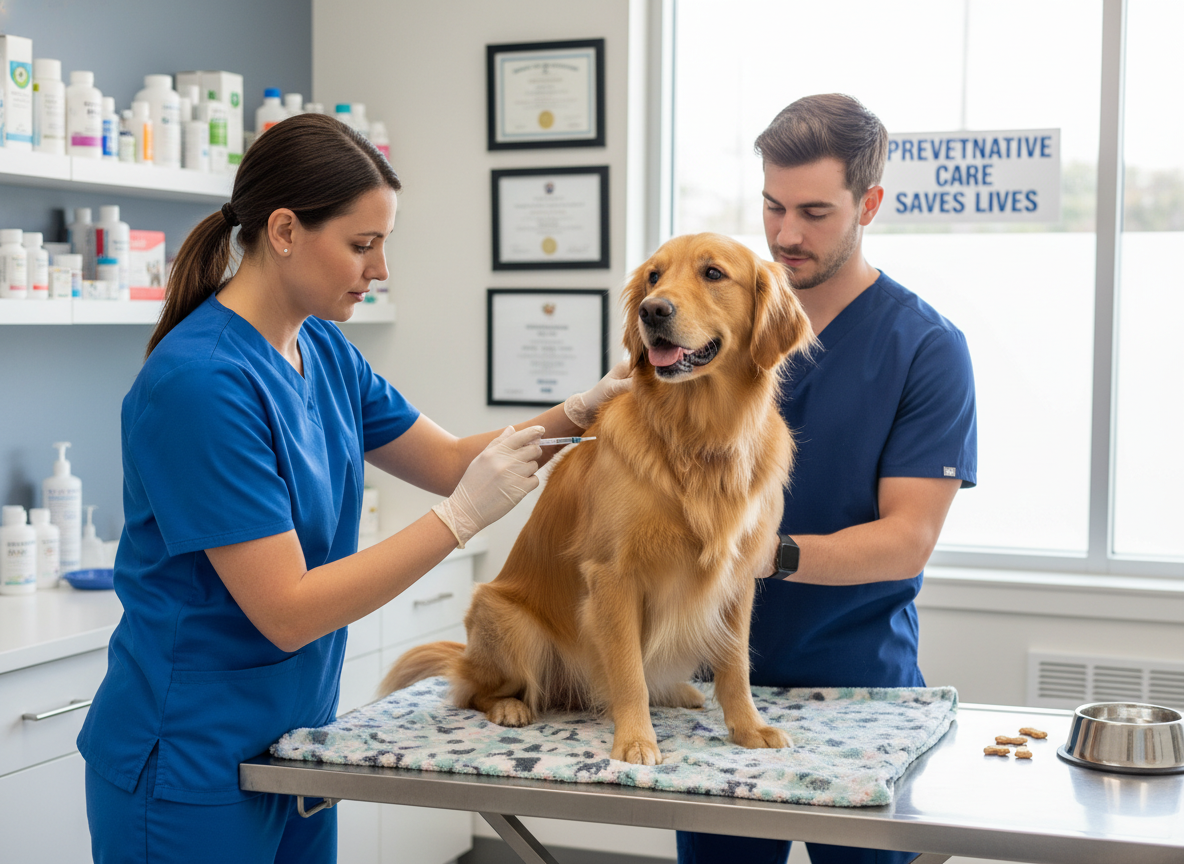
Vaccination programs are essential, especially for young dogs and those in group settings like shelters. Regular veterinary visits ensure pets are monitored and kept safe from potential outbreaks. Furthermore, informing dog owners about the importance of vaccination enhances public health strategies. With these measures in place, the risk of CDV can be significantly minimized.
Заключение
As a leading veterinary diagnostic wholesale distributor, we emphasize that Canine distemper virus is not zoonotic, staying within animals. Proper vaccination and hygiene practices are essential for controlling its spread.


