
Canine parvovirus strikes fear into the hearts of dog owners due to its rapid, destructive nature. But understanding and recognizing this threat is crucial.
Canine parvovirus is a highly contagious viral disease mainly affecting the digestive system of puppies and unvaccinated dogs. Early signs may seem minor, yet it can progress to severe states involving vomiting, diarrhea, and dehydration, posing a life-threatening risk. Early detection and treatment, sometimes guided by diagnostics from an Animal Diagnosis Production Firm, are vital to mitigate the disease’s impact and improve survival rates.
What is canine parvovirus?
The dread of canine parvovirus is its stealthy attack and rapid devastation. Knowledge is key to prevention.
Canine parvovirus is a viral infection that targets canines, especially those not yet vaccinated or still puppies. It spreads easily through contact with infected feces. The virus can survive in the environment for long periods, making it particularly hard to eliminate and control.
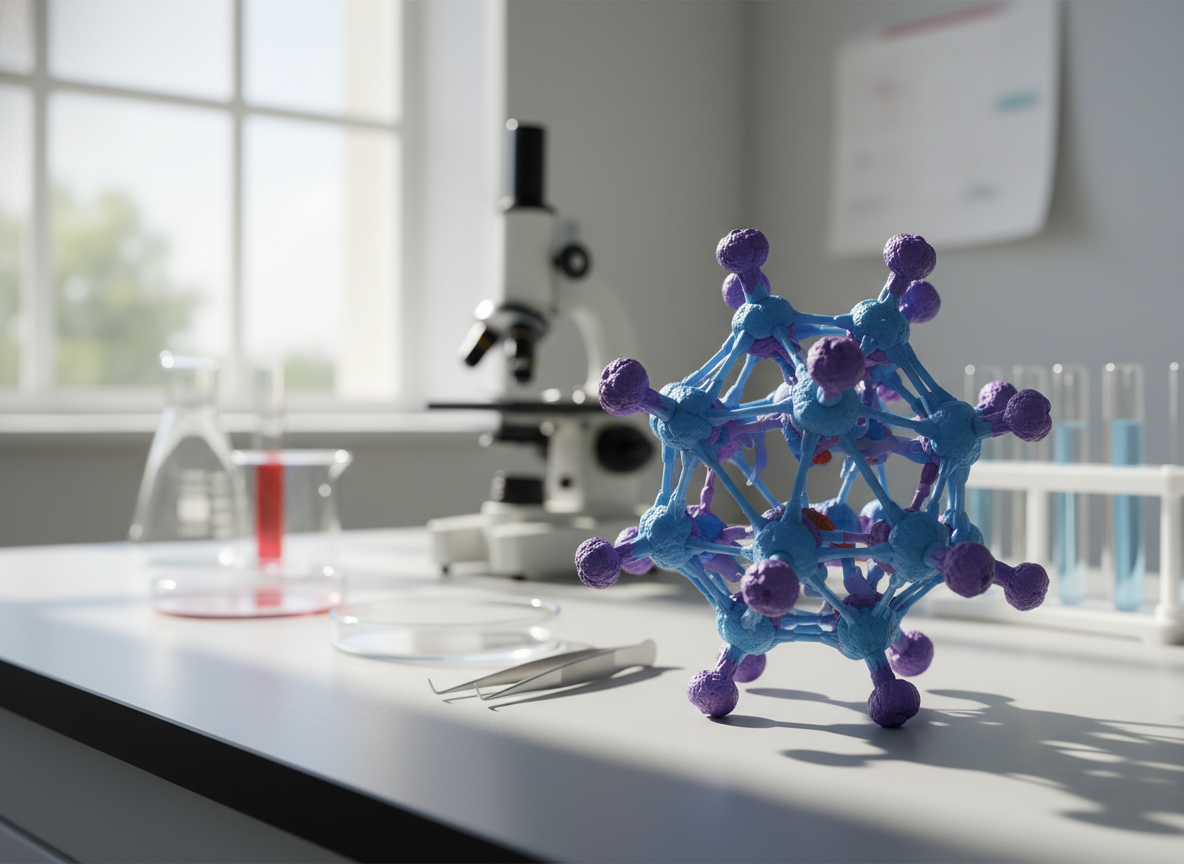
Understanding parvovirus is crucial to prevention. This virus affects dogs worldwide, causing widespread concern among pet owners. It mainly attacks puppies due to their immature immune systems, but any unvaccinated dog is at risk. The virus attacks rapidly, leading to severe dehydration and often fatal outcomes if not treated promptly. Knowing about this virus can help dog owners take steps to protect their pets, including regular vaccination and avoiding contaminated areas. Proactive measures can significantly reduce the risk of parvovirus infection in dogs. This includes veterinarians using reliable Animal Diagnosis tools to confirm cases swiftly.
Which systems does canine parvovirus mainly affect?
The stomach-churning truth behind canine parvovirus is its unparalleled assault on a dog’s core systems.
Canine parvovirus primarily attacks the digestive system, specifically the intestines, leading to severe inflammation and compromised nutrient absorption. Sadly, it can also affect the heart muscles in young puppies, which can be devastating.
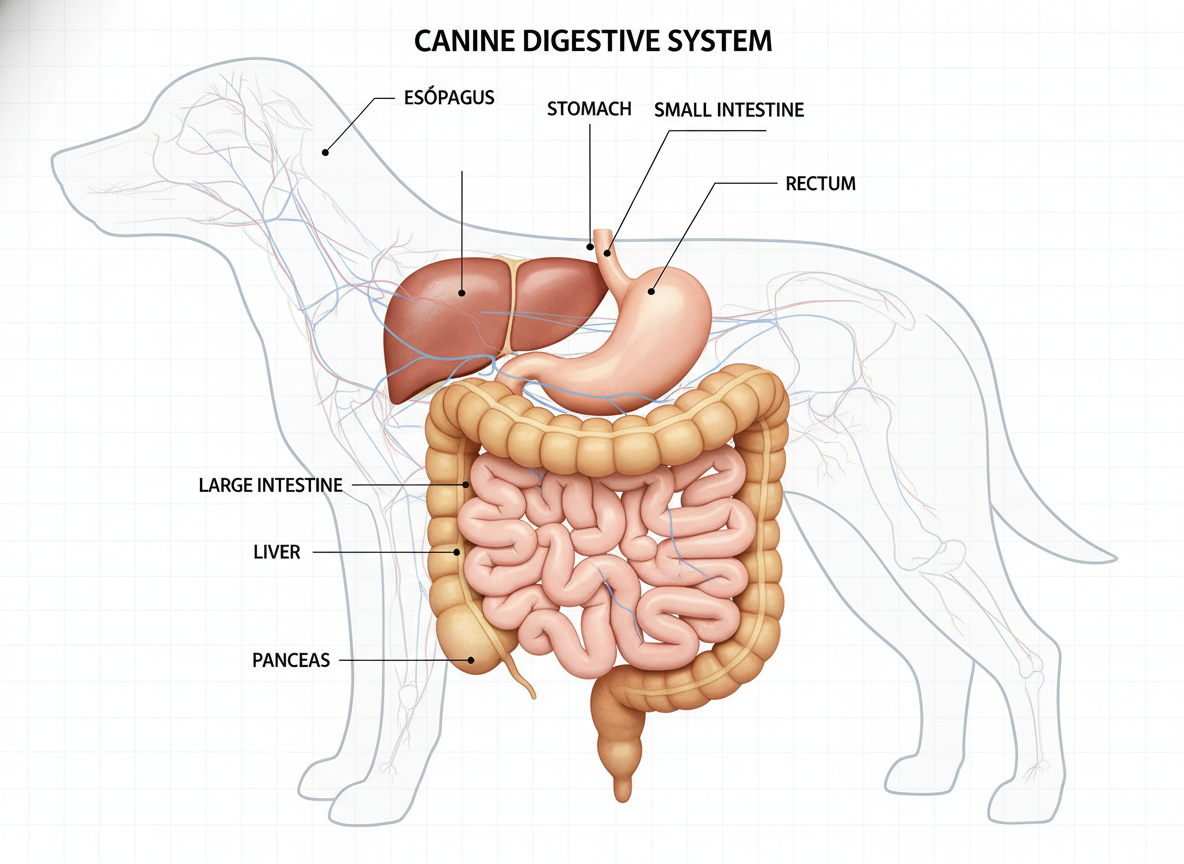
This pervasive virus destructs by reducing the lining of the small intestine, hindering a dog’s ability to absorb nutrients, causing diarrhea, and exposing them to secondary bacterial infections. The resulting dehydration and nutrient deficiency can rapidly become life-threatening. It’s crucial to understand which systems are most affected to recognize signs early and seek veterinary help. Treatment usually involves aggressive fluid therapy, anti-nausea drugs, and supportive care. By understanding these effects, pet owners are better prepared to spot the signs and act quickly, potentially saving their dog’s life.
What are the common symptoms of canine parvovirus?
Fear arises from the silent onset of this deadly virus. Small changes in behavior can signal an impending threat.
Common indicators of canine parvovirus include lethargy, vomiting, severe diarrhea, sometimes with blood, and rapid dehydration. The symptoms can escalate within 48 to 72 hours, necessitating urgent care.
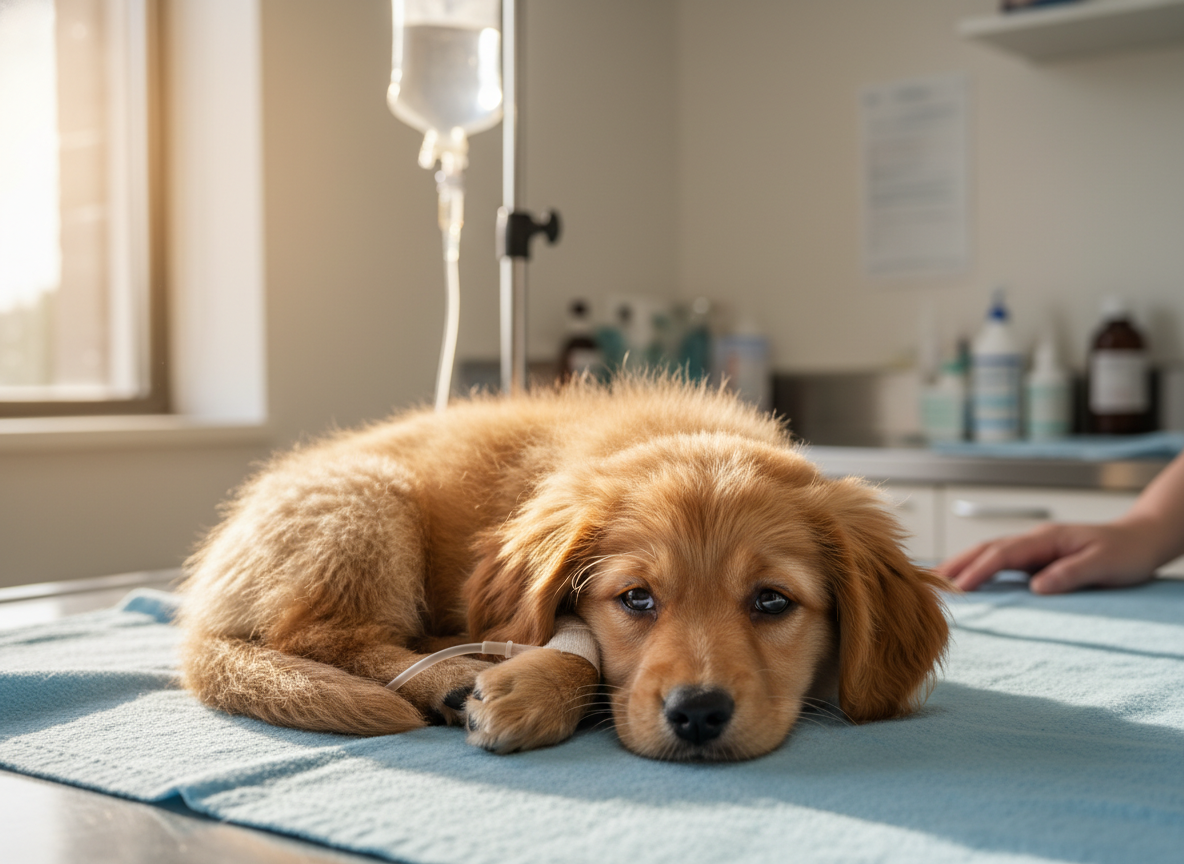
Symptoms like lethargy signal the onset of canine parvovirus, coupled with vomiting and diarrhea, often containing blood. These symptoms lead to dangerous dehydration levels if not addressed immediately. The virus replicates rapidly, overwhelming the body and causing quick deterioration. This sequence of symptoms is why timely veterinary intervention is essential. Veterinarians generally advise dog owners to watch for rapidly worsening conditions and act immediately when they see these signs. Early intervention not only improves the dog’s chances of survival but also can reduce the intensive care treatment duration required.
Why is early recognition of parvovirus symptoms important?
The silent advance of parvovirus underscores the need for vigilance. Quick action can mean the difference between life and death.
Recognizing the early signs of canine parvovirus can significantly improve the outcome for an infected dog by enabling prompt treatment. Rapid symptom escalation means time is of the essence.
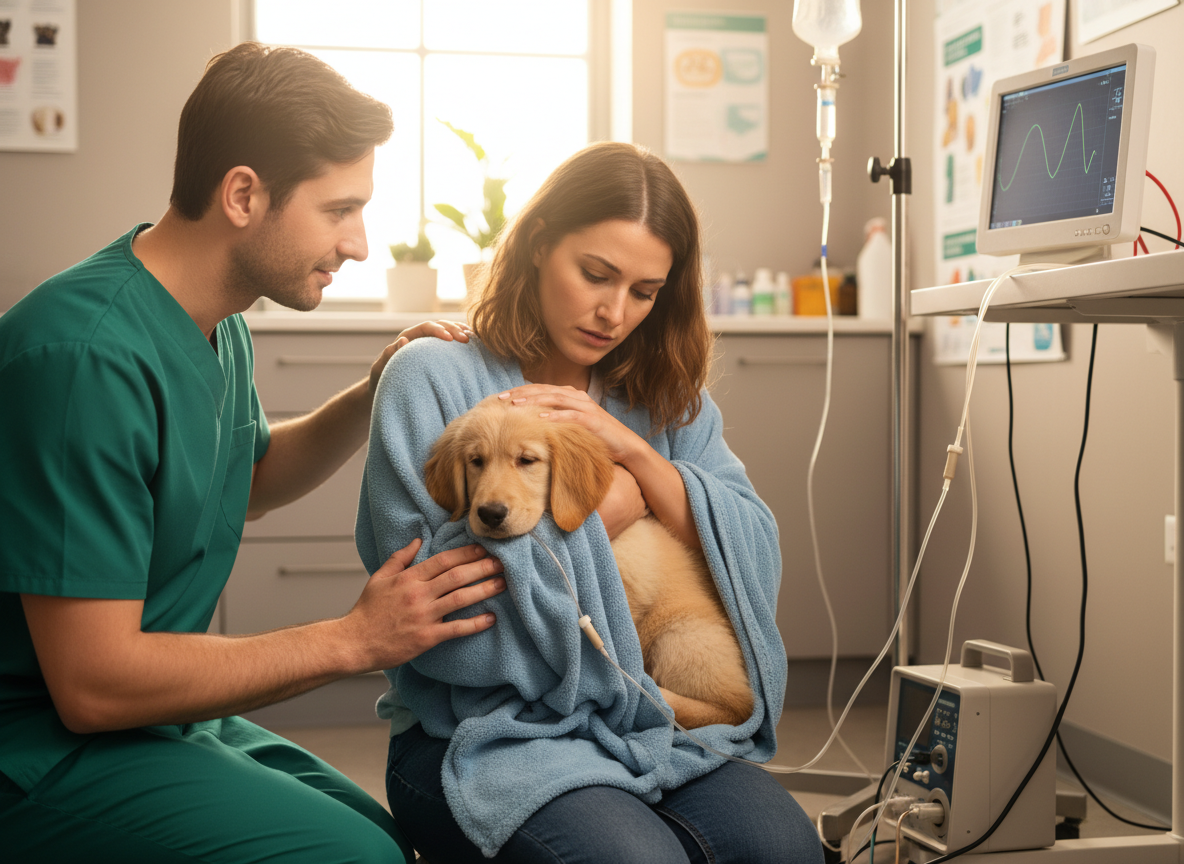
Early recognition and response can dramatically increase survival rates. Observant dog owners may notice subtle changes like increased lethargy or minor gastrointestinal distress before severe symptoms emerge. Once these signs manifest, rapid consultation with a veterinarian can help ensure timely interventions such as intravenous fluid therapy and appropriate medications to manage pain and nausea. While an at home parvo test can provide a quick indication, it must be followed by immediate professional veterinary care for a definitive diagnosis and treatment plan. Informed owners are more likely to act quickly, significantly enhancing their pet’s chance of recovery and reducing the severity of the disease’s impact. This diligence and awareness can be the key to navigating the threat of canine parvovirus effectively, where survival rates can exceed 90% with prompt, aggressive treatment.
Conclusion
Understanding parvovirus empowers pet owners with the knowledge needed to act swiftly, safeguarding their dogs from this insidious and deadly virus.
References
- Canine Parvovirus – American Veterinary Medical Association (AVMA)
- An Owner’s Guide to Canine Parvovirus – Cornell University College of Veterinary Medicine
- Parvovirus – UC Davis Veterinary Medicine
- Keeping Pets and People Healthy – Centers for Disease Control and Prevention (CDC)