
Canine parvovirus wreaks havoc on a dog’s gut, causing severe distress. Ignoring it might put your dog’s life at risk. parvovirus in dogs primarily targets the digestive system and the immune defenses, leading to vomiting, diarrhea, and potential death without medical intervention. Quick action can save lives.
How does CPV affect a dog’s digestive system?
Canine parvovirus targets dogs’ intestines, causing chaos and pain. Without intervention, consequences can be severe. CPV leads to inflammation in a dog’s digestive tract, causing vomiting and diarrhea. Intestinal damage inhibits nutrient absorption, aggravating weakness and dehydration.
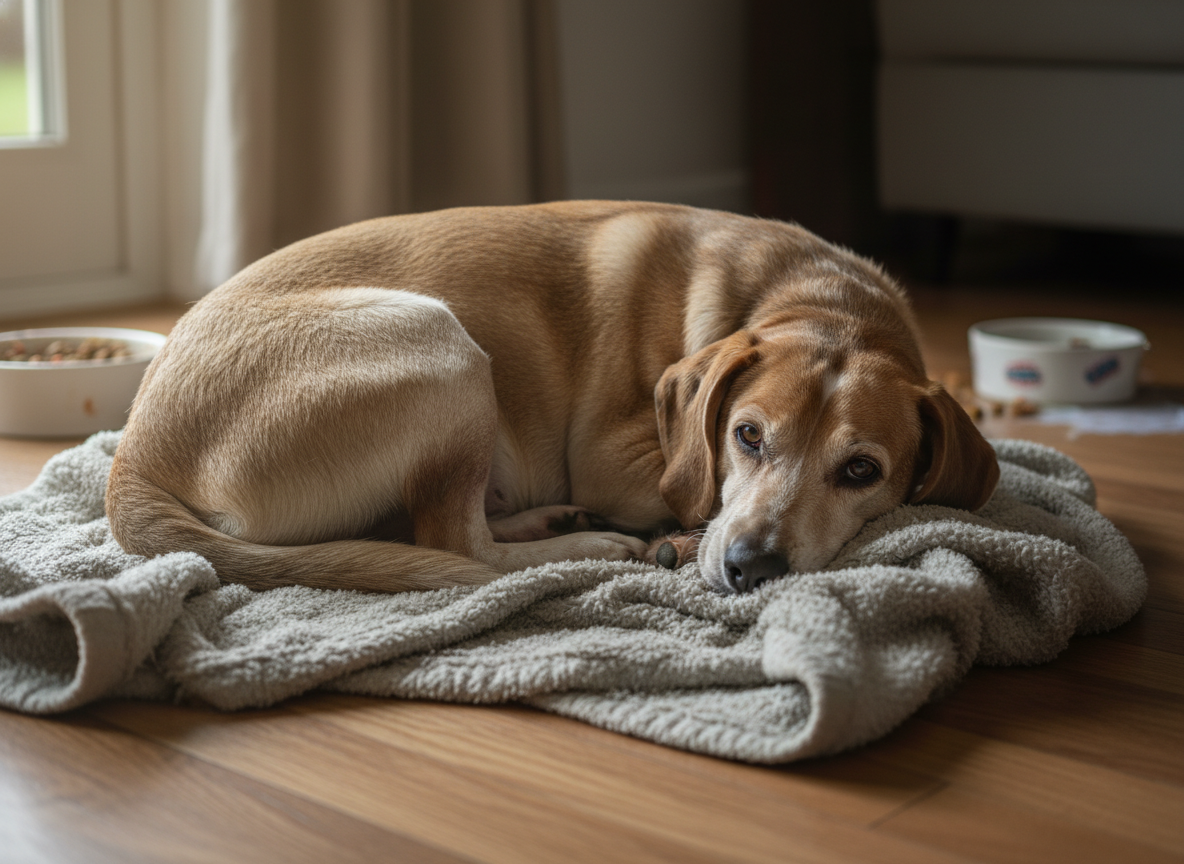
Consulting a vet when symptoms appear is crucial. Sustained vomiting or diarrhea means CPV could compromise gut health severely. Understanding and addressing such symptoms early can lead to better recovery, possibly saving your dog from intensive care.
When CPV attacks the intestines, it disrupts normal function. The epithelial cells lining the gut are damaged, reducing nutrient uptake. This biological chaos can be captured in simplified processes that define CPV’s impact on gut health:
| Impact by CPV | Consequence |
|---|---|
| Epithelial cell damage | Reduced nutrient absorption |
| Intestinal inflammation | Vomiting and diarrhea |
| Fluid imbalance | Dehydration |
By understanding these effects, dog owners can appreciate the urgency of getting treatment upon noticing initial signs.
Why does CPV weaken a dog’s immune defenses?
CPV undermines a dog’s immunity, leaving them vulnerable to secondary infections. The consequences can be dire. The virus attacks rapidly dividing cells, including those in the bone marrow. This results in a lowered white blood cell count, reducing the ability to fight infections.

Recognizing an immune response drop early can be life-saving. Reduced immunity makes dogs more susceptible to infections like sepsis. Regular checkups can catch declining immunity before it worsens, improving recovery chances.
CPV’s impact on the immune system can be understood by exploring its mechanisms. The virus has distinct biological processes leading to weakened immunity:
| Mechanism | Effect on Immunity |
|---|---|
| Bone marrow suppression | Lower white blood cell count |
| Rapid viral replication | Immune system overload |
| Increased vulnerability | Secondary infections |
These reflections highlight why timely medical intervention is critical for reducing complications from CPV.
What symptoms typically appear in dogs with CPV infection?
Symptoms arise quickly with CPV, revealing the virus’s destructive path. Ignoring them risks worsening illness. Common initial signs include vomiting, diarrhea, and lethargy. These symptoms often precede more severe complications and require immediate attention.
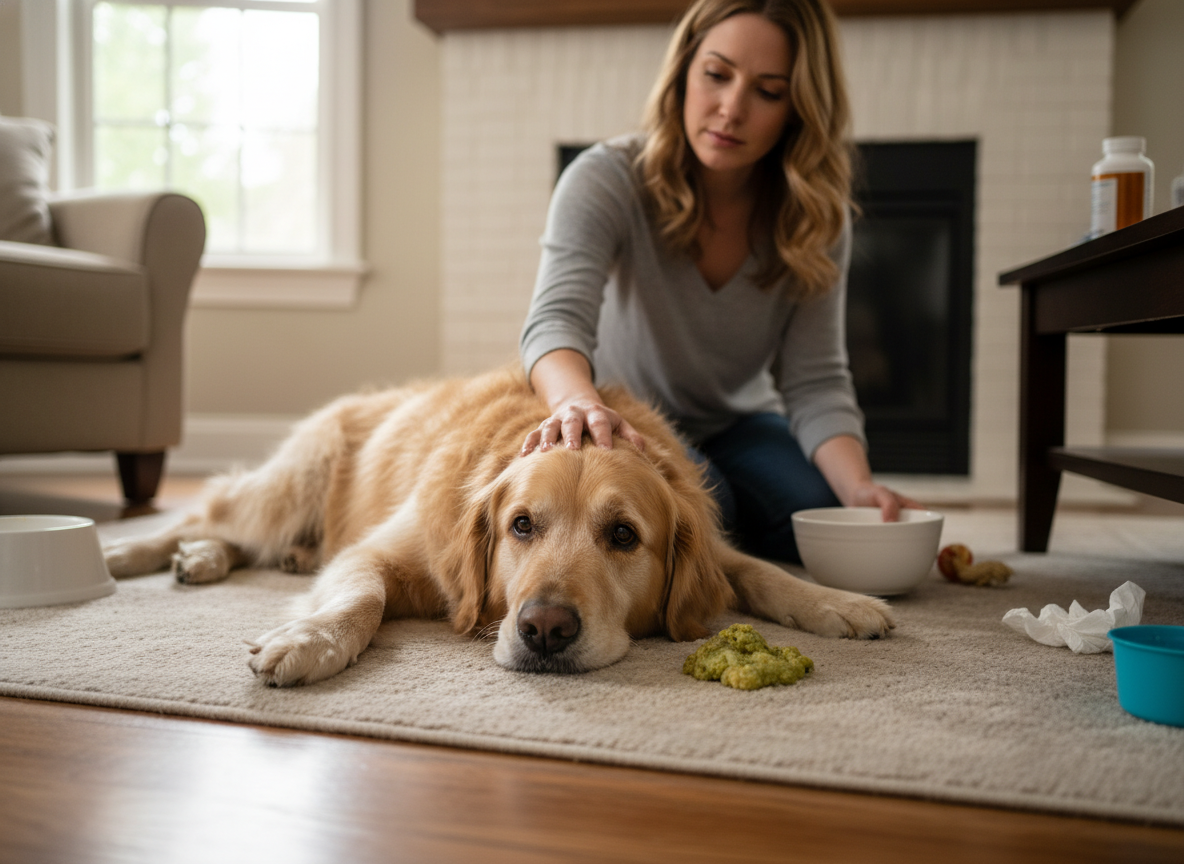
Being vigilant about unusual behavior aids early detection. Lethargy coupled with gastrointestinal symptoms signals CPV. Observing a dog’s symptoms closely can expedite medical assessment, leading to early interventions that lessen symptoms. A quick vet diagnose is crucial.
Reflecting on symptoms can deepen understanding of CPV. The viral impact on a dog manifests in varied and interconnected symptoms:
| Symptom | Description |
|---|---|
| Vomiting | Frequent expulsion of stomach contents |
| Diarrhea | Loose, watery stools |
| Lethargy | Unusual fatigue or inactivity |
Recognizing these interconnected symptoms as warning signs leads to earlier diagnoses and treatments.
How can dog owners reduce risks through early recognition?
Early symptom spotting is critical. Knowing what to watch for might save your dog’s life. Vigilance and awareness of symptoms are key. Being proactive allows timely vet consultations and interventions.
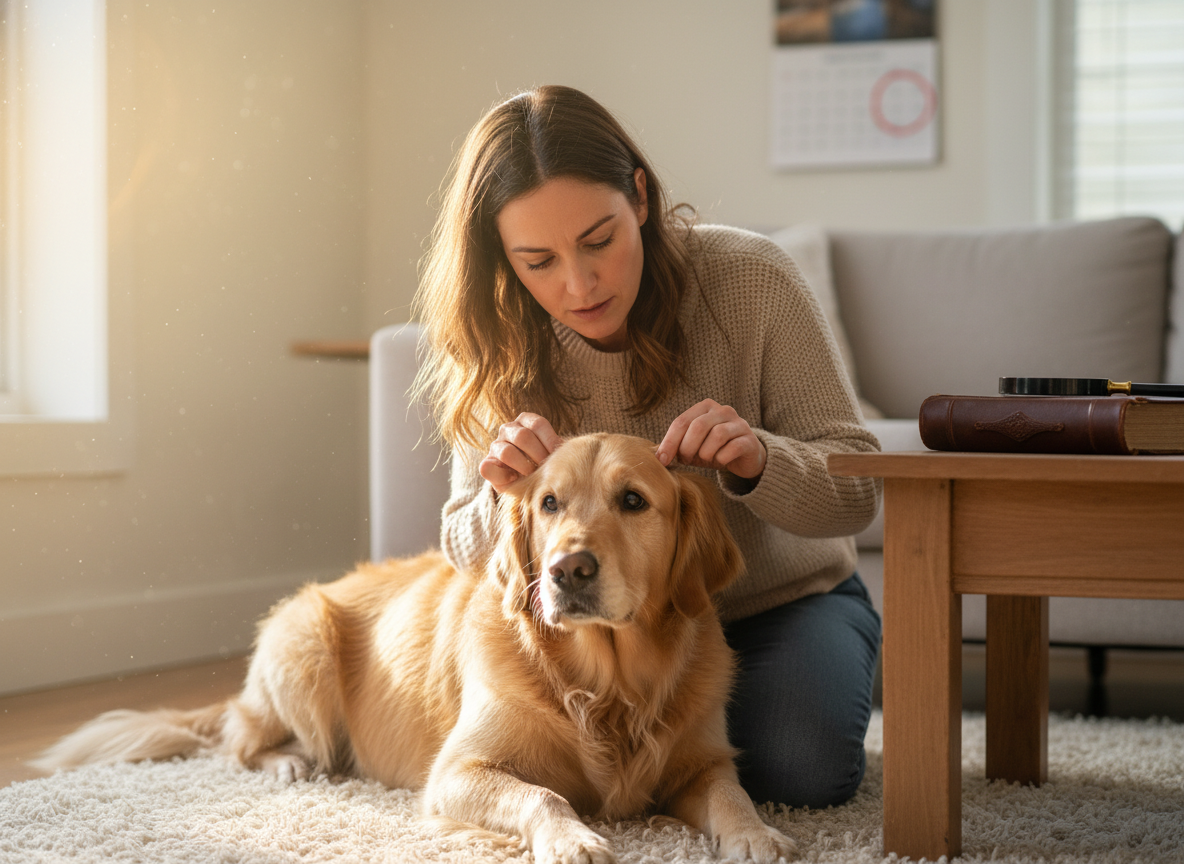
By educating themselves about CPV symptoms, owners can act quickly. Knowing what to watch for maximizes chances of a positive outcome through early vet visits. This proactive approach enhances dog health, supported by advances in animal diagnostics.
The significance of early recognition involves essential strategies owners might adopt:
| Strategy | Benefit |
|---|---|
| Symptom awareness | Identifies CPV signs early |
| Regular health checks | Tracks potential viral impact |
| Immediate action | Ensures timely vet intervention |
Understanding the critical role of symptom awareness ensures dog owners maximize preventive care strategies.
Conclusion
CPV’s impact on dogs is profound, yet early detection and quick action can save lives.


